


Sheikh Hasina Sentenced 21 Years Amid Major Political Turmoil

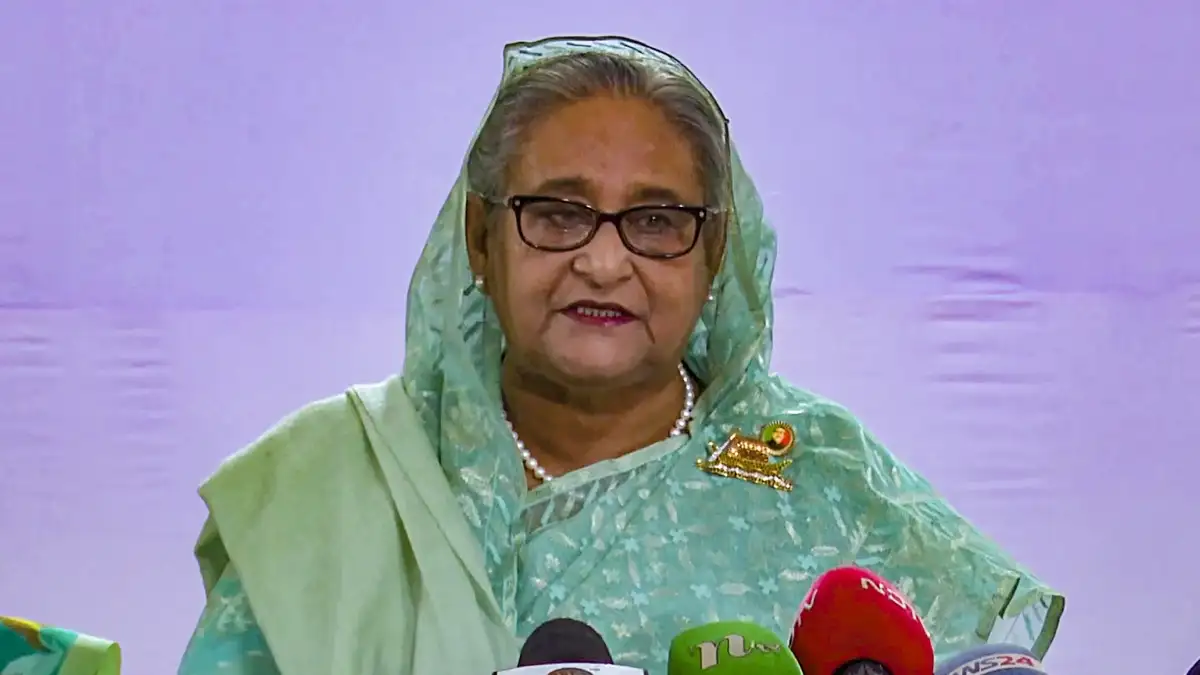
Sheikh Hasina Sentenced 21 Years has become one of the most discussed developments in South Asia as Bangladesh faces a new and uncertain political chapter. A special court in Dhaka has handed former Bangladesh prime minister Sheikh Hasina a total of 21 years in prison after finding her guilty in three separate corruption cases connected to land irregularities under a large government housing project. The ruling comes at a time when the country is already dealing with major political tension following her removal from power last year.
Thank you for reading this post, don't forget to subscribe!This latest court decision has not only intensified the national debate surrounding her leadership but also sparked fresh reactions across diplomatic, legal and regional circles. Supporters of the former leader claim the charges are motivated by political rivalry, while her critics argue that the ruling reflects long-standing problems in governance and accountability. Regardless of differing opinions, the sentence has had a major impact on the political climate of Bangladesh.
Court Findings and Sentence – Sheikh Hasina Sentenced 21 Years
The verdict was issued by the Dhaka Special Judge Court-5, which sentenced the 78-year-old former prime minister to seven years in each of the three corruption cases linked to the Rajuk New Town Project in Purbachal. Unlike many previous legal decisions where multiple sentences run at the same time, the court ordered these three sentences to run consecutively, bringing the total to 21 years.
The court also imposed a monetary penalty of Taka one lakh in each case, adding that failure to pay these fines would lead to further imprisonment. The judgment stated that land was allocated to Hasina through improper procedures, exceeding official authority and violating regulatory guidelines. According to the court, the land allotments were made without following legal steps, which formed the basis of the conviction.
This ruling represents one of the strongest legal actions taken against a former head of government in Bangladesh’s recent history.
Family Members Also Convicted – Sheikh Hasina Sentenced 21 Years
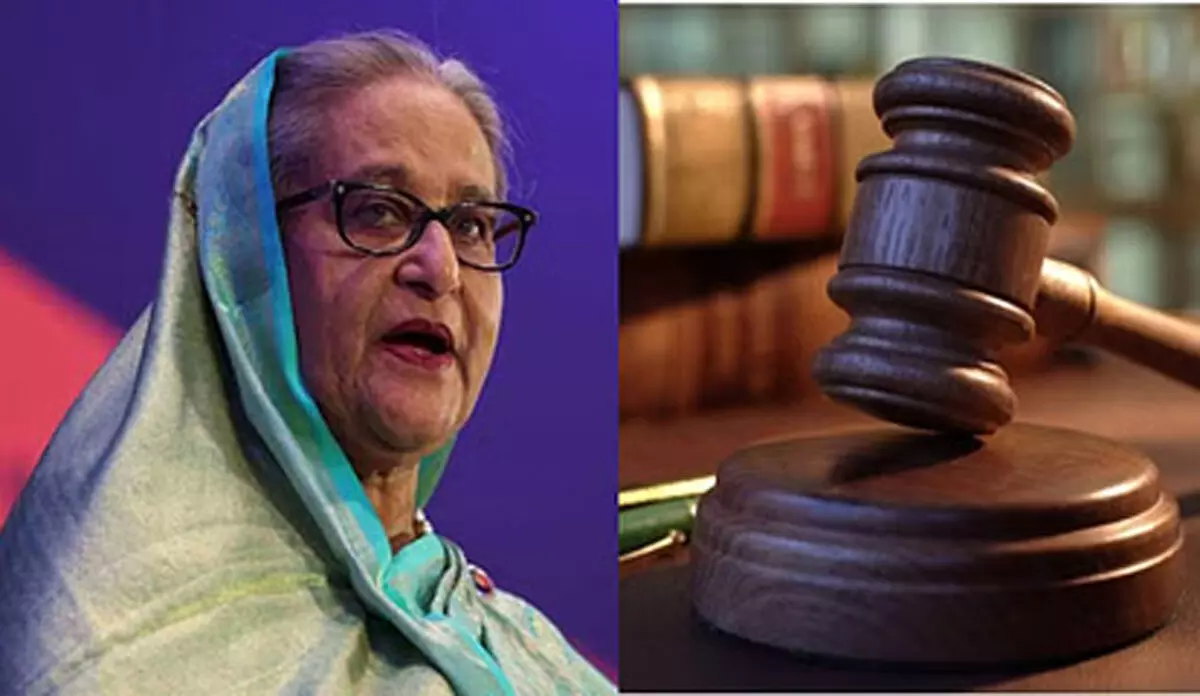
The verdict did not stop with Sheikh Hasina alone. Her son, Sajib Wajed Joy, and her daughter, Saima Wazed Putul, were also convicted in the same corruption cases. Both received five-year prison terms and monetary fines. The court’s decision to convict members of her immediate family has intensified discussions about the broader impact of the ruling.
A total of 20 other individuals were also charged in the cases, with most of them receiving different prison terms based on their roles. One junior official was acquitted, and only one accused appeared in person before the court, receiving a three-year sentence. The case was built on chargesheets filed by the Anti-Corruption Commission (ACC) earlier in 2025, supported by detailed testimony from 29 witnesses.
These collective convictions have added further strain to Bangladesh’s already fragile political environment.
Context Behind the Verdict – Sheikh Hasina Sentenced 21 Years
The sentencing comes shortly after Sheikh Hasina was given a death sentence in a separate legal case connected to the violent crackdown on student-led protests last year. Those protests eventually led to the collapse of her government in August 2024, forcing her to flee to India, where she has been living since then.
Hasina has repeatedly claimed that the accusations against her are politically driven, aimed at removing her influence and weakening the Awami League, the party she led for decades. Bangladesh’s interim government, however, argues that the cases are part of broader attempts to address corruption and bring transparency to long-ignored administrative issues.
After her conviction, the interim authorities formally requested her extradition from India, and New Delhi has stated that the request is under review. The diplomatic angle of the case adds a new layer of complexity, especially given the long and often sensitive relationship between the two neighbouring countries.
Growing Political Isolation – Sheikh Hasina Sentenced 21 Years
The Awami League, once the most dominant political force in Bangladesh, has become increasingly isolated. Many of its top leaders have been arrested, detained or forced into exile in recent months. With multiple legal actions targeting senior figures of the party, political analysts predict that Bangladesh may experience prolonged instability.
Sheikh Hasina’s sentence has deepened this isolation further. Critics say that the party is struggling to reorganize itself without a clear leadership structure. Supporters argue that the interim government is using the legal system to eliminate political opponents rather than ensure justice. These arguments highlight the widening divisions in the country’s political landscape.
Impact on Bangladesh’s Political Future – Sheikh Hasina Sentenced 21 Years
The ruling is expected to reshape Bangladesh’s political path for years to come. With the former prime minister now facing long jail terms in multiple cases, discussions have intensified about the future of her party, the direction of national politics and the strength of democratic institutions.
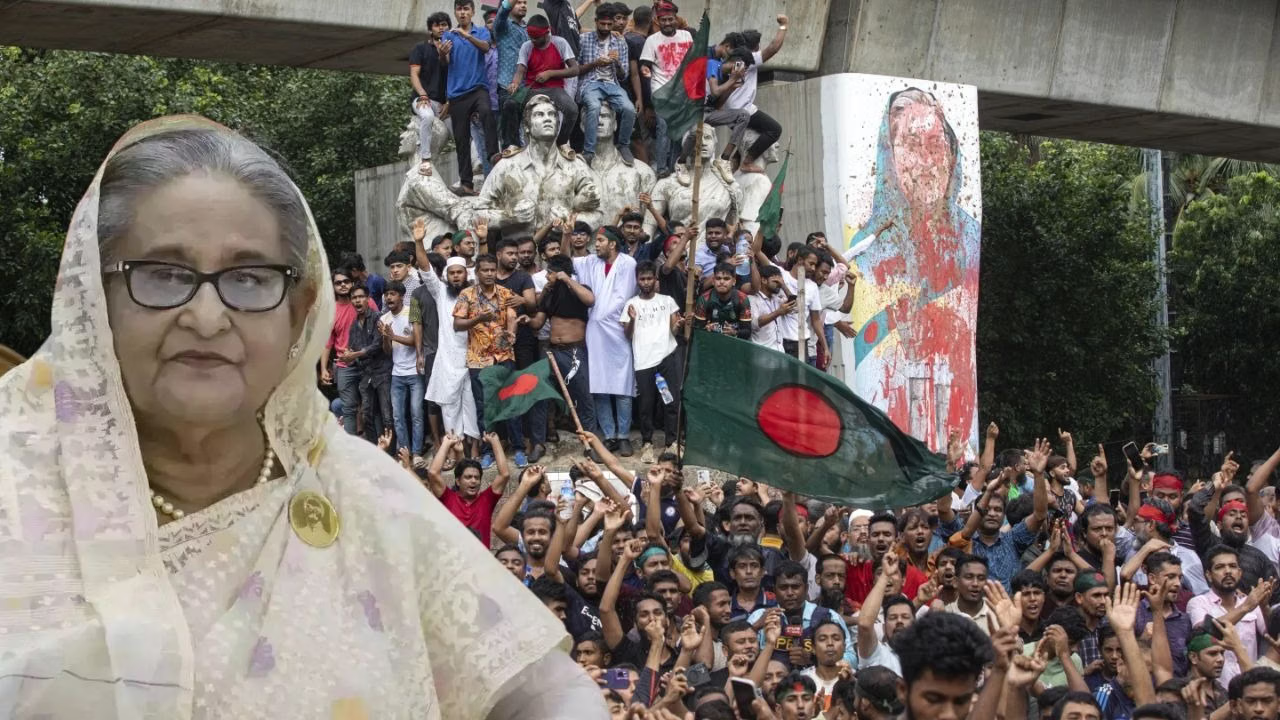
Several possible outcomes are being debated:
- The interim government may consolidate control through continued legal action.
- Opposition groups could gain more space but may remain cautious due to the uncertain environment.
- Bangladesh’s international relations especially with India, the US and the EU may shift depending on how the political situation develops.
- The legal and political pressure on the Awami League may lead to long-term reorganization or even fragmentation.
Regardless of which path the country takes, the impact of this ruling will be long-lasting.
A Turning Point for the Nation – Sheikh Hasina Sentenced 21 Years
The sentence represents more than just a legal defeat for a former leader it marks a decisive moment in Bangladesh’s political journey. The country is now witnessing a phase where governance, accountability and political rivalry intersect in intense and unpredictable ways.
As Bangladesh moves forward, the consequences of Sheikh Hasina Sentenced 21 Years will continue to influence public sentiment, political calculations and international diplomacy.