


Lonar Lake Joins Global Geological Heritage List

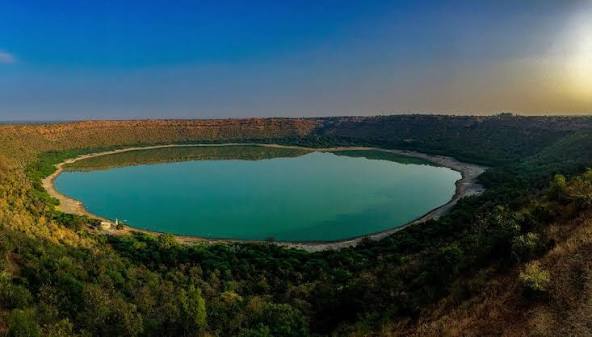
Lonar Lake in Maharashtra has received international recognition after being added to the International Union of Geological Sciences (IUGS) list of the Third 100 IUGS Geological Heritage Sites. Located in Buldhana district, Lonar Lake is known for its rare meteorite impact crater, unusual water chemistry and important geological features. The Ministry of Mines confirmed this recognition on November 13, 2026.
This recognition brings global attention to one of India’s most unusual natural landmarks. It also highlights the importance of protecting geological sites that help scientists understand the history of Earth and major events that shaped its surface.

International Recognition for Lonar Lake
The announcement was made during the IUGS Geoheritage Event held in Algarve, Portugal, from November 4 to 8, 2026. The Geological Survey of India (GSI) submitted the nomination for Lonar Lake.
The proposal received preliminary approval during the 82nd meeting of the IUGS Executive Committee in Bogotá, Colombia, in January 2026. After this process, Lonar Lake was included in the international list of important geological heritage sites.
The IUGS recognition highlights places that have special geological value. These locations help researchers study Earth’s past, understand natural processes and share scientific knowledge with the public.
How Was Lonar Lake Formed?
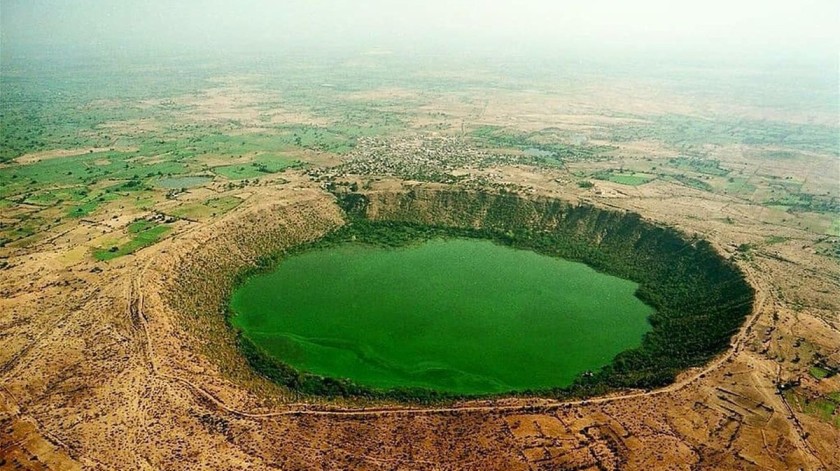
Lonar Lake is located inside a large crater created by a high-speed meteorite impact. Scientists estimate that the impact happened around 12,000 years ago. The crater is approximately 1.88 kilometres in diameter.
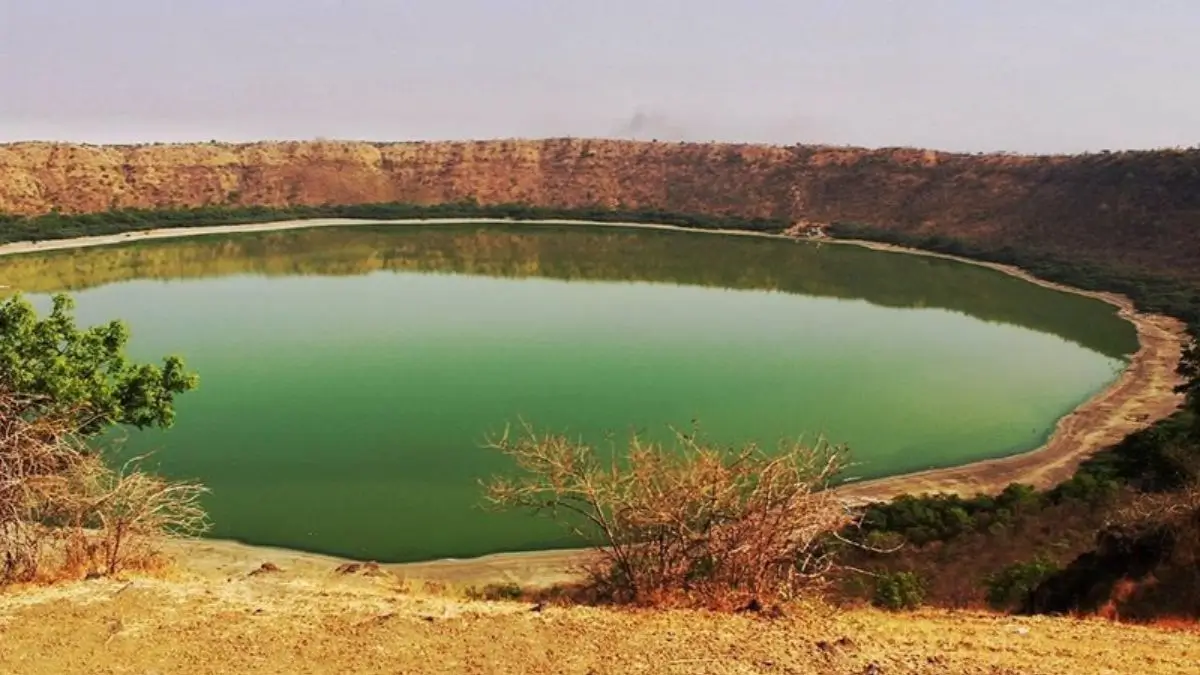
A meteorite is a piece of space rock that reaches Earth’s surface. When a large space object hits the ground at very high speed, it releases enormous energy. This impact can break, melt and change the surrounding rocks, creating a large crater.
Lonar is especially important because it was formed in basalt rock. Basalt is a dark volcanic rock that develops when lava cools and becomes solid. The crater lies within the Deccan Traps, a vast region of volcanic rocks in western and central India. These rocks were formed around 65 million years ago.
Lonar is one of only five known hypervelocity impact craters on Earth formed in basalt. This makes it a rare location for studying the effects of meteorite impacts on volcanic rocks.
Unusual Water Chemistry of Lonar Lake
Another special feature of Lonar Lake is its water. The lake is both saline and highly alkaline. This means its water contains a high amount of dissolved salts and has a high pH level.
Lonar Lake is also part of an endorheic basin. An endorheic basin is an area where water does not flow out into the sea or an ocean through rivers. Water collects inside the basin, and much of it leaves through evaporation.
The combination of its crater structure, salty water and alkaline conditions makes Lonar Lake an interesting place for scientific research. Researchers can study its environment to understand how unusual natural conditions affect water chemistry and life.
Geological Evidence of the Meteorite Impact
For many years, the origin of Lonar Lake was a subject of scientific study. It was initially believed to have a volcanic origin because it is located in the Deccan Traps, a region known for ancient volcanic activity.
Later geological investigations provided strong evidence that the crater was formed by a meteorite impact. Researchers found special rock structures and minerals linked to the extreme pressure created during such impacts.
Drill core samples collected beneath the crater floor contain coarse breccia, a type of rock made from broken rock fragments. They also contain shatter cones and maskelynite. These features are important signs of shock metamorphism, a process in which rocks and minerals are changed by extremely high pressure during an impact.
This evidence helped scientists establish the meteorite-impact origin of Lonar Lake.
Other Indian Sites on the IUGS Heritage List
Lonar Lake is not the first Indian location to receive recognition under the IUGS Geological Heritage Sites programme. Two other Indian sites were recognised earlier.
Mawmluh Cave in Meghalaya was included in the list in 2022. It is known for its geological formations and importance in studying past climate conditions.
The Deccan Traps at Mahabaleshwar in Maharashtra received recognition in 2024. This region contains extensive layers of ancient volcanic rocks that help scientists understand major volcanic events in Earth’s history.
With the addition of Lonar Lake in 2026, India has gained another internationally recognised geological heritage site.
Why This Recognition Matters
The inclusion of Lonar Lake in the IUGS list is an important step towards increasing awareness of India’s geological heritage. It draws attention to the scientific value of the crater and the need to protect its natural features.
The recognition may also encourage more geological research, educational visits and responsible tourism in the Buldhana and wider Vidarbha regions of Maharashtra. Visitors can learn about meteorite impacts, volcanic rocks and the unusual chemistry of the lake.
However, protecting Lonar Lake is equally important. Tourism and development activities need to be managed carefully so that the crater, surrounding rocks and lake environment are not damaged.
The international recognition gives scientists, conservation groups and local communities an opportunity to work together to protect this rare natural site for future generations.