Colleen Begg Wins Tusk Award

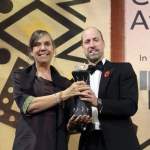
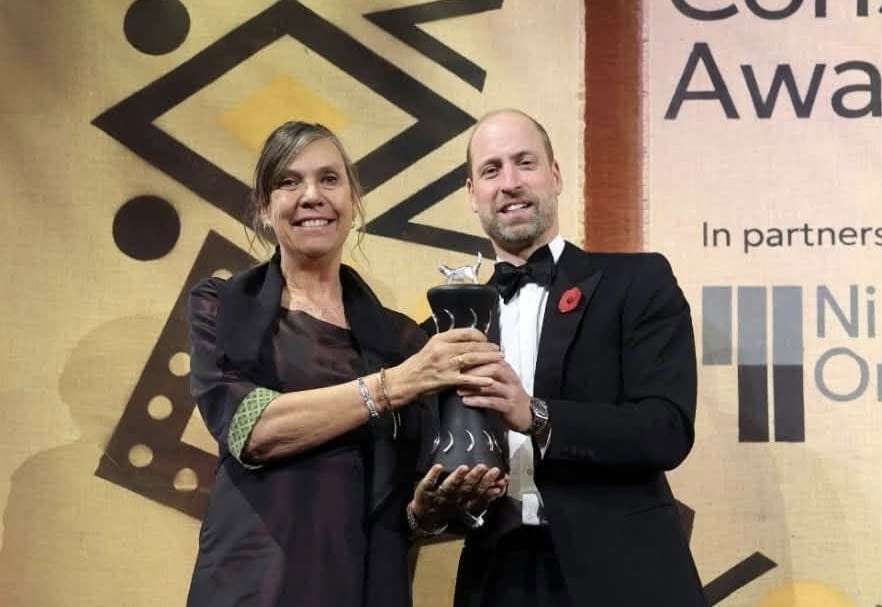
Colleen Begg received the Prince William Award for Conservation in Africa, a lifetime achievement honour, at the Tusk Conservation Awards ceremony held in London on November 11, 2026. Prince William, the Prince of Wales and Royal Patron of Tusk, presented the award to recognise her more than 30 years of work in wildlife conservation across Africa.
Begg was honoured for her long-term efforts to protect wildlife and support local communities, particularly in Mozambique’s Niassa Special Reserve. She became the first woman to receive this award since it was introduced in 2013. The recognition also highlights the important role of women in protecting endangered animals and natural habitats.

Colleen Begg’s Contribution to Wildlife Conservation
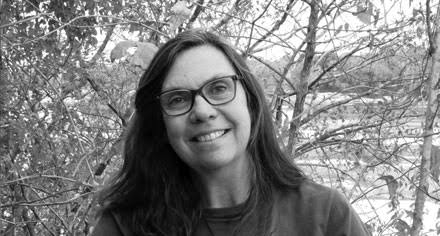
Dr Colleen Begg is the co-founder and managing director of Mozambique’s Niassa Carnivore Project, also known as the Niassa Lion Project. The organisation focuses on protecting large carnivores, especially lions, and supporting wildlife conservation in the Niassa region.
She has spent more than two decades working in the Niassa Special Reserve, one of Mozambique’s important wildlife conservation areas. Her work combines wildlife research, habitat protection and cooperation with local communities.
Human-wildlife conflict is a major challenge in many African conservation areas. When wild animals move close to villages and livestock areas, conflicts can occur. Conservation programmes therefore need to protect wildlife while also considering the needs and safety of people living near protected habitats.
Begg’s work has focused on building stronger relationships between local communities and wildlife protection programmes.
Tusk Lifetime Achievement Award and Its Importance
The Prince William Award for Conservation in Africa recognises individuals who have made long-term contributions to protecting wildlife and natural environments.
The award is part of the Tusk Conservation Awards, which celebrate conservation leaders and organisations working across Africa. Begg’s recognition reflects her decades of involvement in wildlife protection, scientific research and community development.
The award also includes a grant of £100,000 spread over three years to support the recipient’s conservation work. This financial support can help strengthen ongoing projects and wildlife protection activities.
Other Winners of the Tusk Conservation Awards 2026
The 2026 ceremony also recognised other conservation professionals for their contributions to protecting African wildlife.
Raabia Hawa from Kenya received the Tusk Award for Conservation in Africa. This award recognises emerging conservation leaders who have achieved important progress in their fields.
Daniel Yiankere, also from Kenya, received the Tusk Wildlife Ranger Award. The award recognises the efforts of wildlife rangers who work to protect animals and natural habitats, often under difficult conditions.
These awards highlight the contributions of researchers, community leaders and wildlife protection teams working across the African continent.
Niassa Special Reserve and African Wildlife Protection
The Niassa Special Reserve is located in northern Mozambique and is one of the country’s major protected areas. It contains extensive miombo woodlands and provides habitats for several wildlife species, including lions, elephants and other large mammals.
The reserve is also connected to the wider Selous-Niassa Wildlife Corridor, which links important ecosystems in Mozambique and Tanzania. Such connections allow animals to move across large natural areas and help maintain healthy wildlife populations.
However, habitat loss, illegal hunting and human-wildlife conflict continue to create challenges for conservation efforts in Africa.
Projects such as the Niassa Carnivore Project work with local communities and conservation authorities to address these problems through research, education and practical wildlife protection activities.
Growing Importance of Community-Based Conservation
Modern wildlife conservation increasingly depends on cooperation between scientists, governments and local communities. Protecting animals alone is not enough when people living near forests and reserves also depend on natural resources for their livelihoods.
Community-based conservation programmes aim to create a balance between wildlife protection and local development. These programmes can include awareness campaigns, livestock protection measures, research activities and opportunities for local participation.
Colleen Begg‘s recognition at the 2026 Tusk Conservation Awards brings attention to this approach and the long-term efforts needed to protect Africa’s wildlife and natural ecosystems.