


Bullet Train India 2027 Plan Gains Momentum

Bullet Train India 2027 Plan is moving forward as Japan has once again confirmed its strong support for India’s first high-speed rail project. The focus is on starting commercial operations on key sections of the Mumbai-Ahmedabad High-Speed Rail by 2027. This project is a major step toward modern transport and faster travel between major cities.
Thank you for reading this post, don't forget to subscribe!The project shows how international partnerships can help build advanced infrastructure.
India’s First Bullet Train Corridor
The Mumbai-Ahmedabad route is India’s first bullet train project. It connects Mumbai and Ahmedabad. The total length of the corridor is about 508 kilometres.
Planned Operational Sections
The first working section is expected in Gujarat. Routes like Surat to Bilimora or Vapi are being prepared. These sections are targeted to open by August 2027.
Japanese Technology in Use
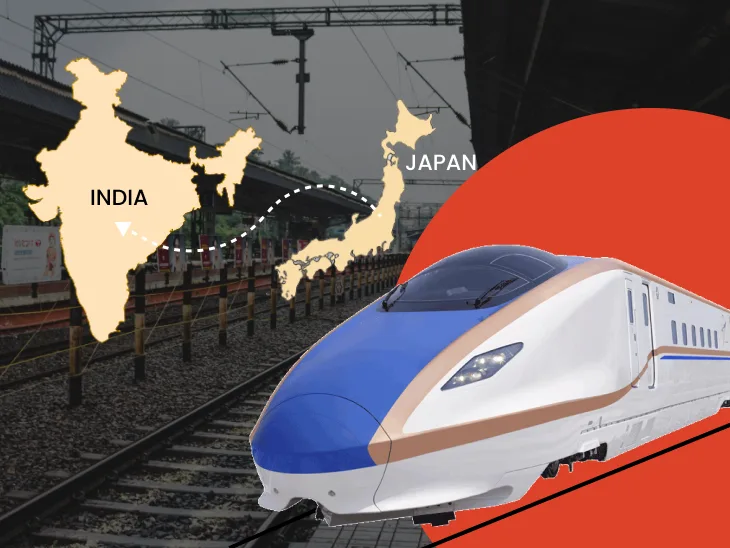
The project uses advanced Shinkansen technology. This system is known for speed and safety. It has been successfully used in Japan for many years.
Introduction of E10 Trains
The corridor is expected to use modern E10 trains. These trains are designed for high-speed travel. They will improve passenger experience and efficiency.
Financial Support from Japan
Japan is funding a large part of the project. Around 81 percent of the total cost is covered through a loan. This support comes at a very low interest rate.
Role of JICA
The funding is managed by Japan International Cooperation Agency. JICA supports infrastructure projects in different countries. Its involvement ensures technical and financial stability.
Progress of Construction
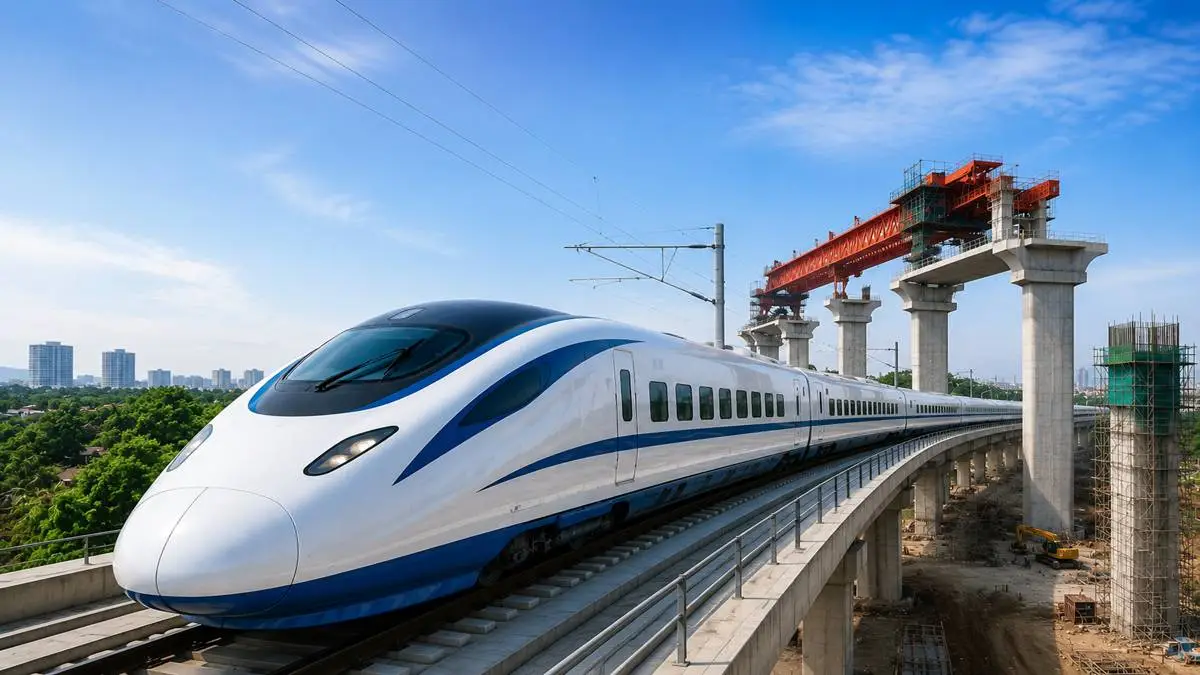
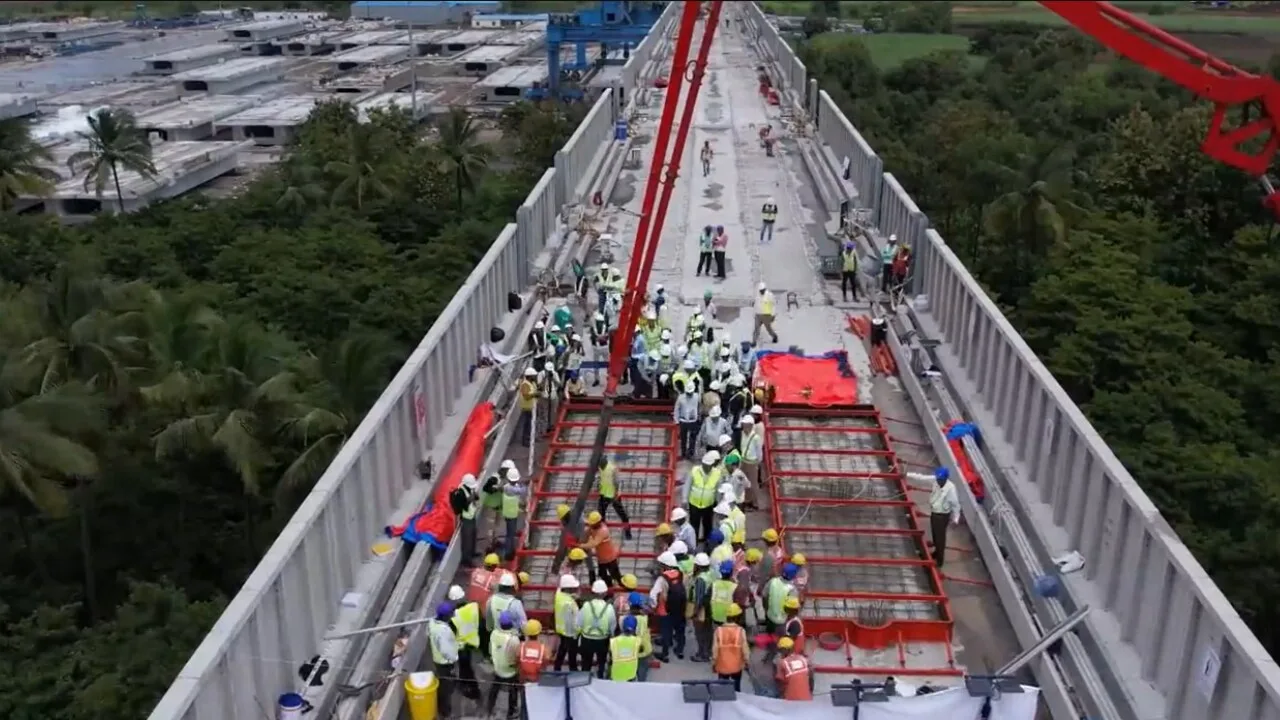
Construction work is moving steadily. Hundreds of kilometres of viaducts and pillars have been completed. Track laying is also progressing step by step.
Delays and Challenges
The project faced some delays in the past. Land acquisition and approvals slowed progress. However, work has picked up pace in recent years.
Updated Timeline
The full project is now expected to be completed by around 2028 or 2029.Partial operations may begin earlier. The 2027 target is focused on priority sections.
Impact on Travel
The bullet train will reduce travel time significantly. Passengers will be able to travel faster and more comfortably. It will change how people move between cities.
Boost to Infrastructure
This project is a major boost to India’s infrastructure. It shows a shift toward modern transport systems. It also supports economic growth.
Job Creation and Development
The project is creating jobs in construction and engineering. It is also helping develop new skills. Local industries are benefiting from the work.
India-Japan Partnership
The project highlights strong ties between India and Japan. Both countries are working closely on technology and investment. This partnership is important for future projects.
Focus on Sustainable Transport
High-speed rail is considered an eco-friendly option. It reduces dependence on road and air travel. It supports cleaner and more efficient transport.
Urban Growth and Connectivity
Better transport improves city connections. It supports business and tourism. Regions along the route may see faster development.
Future of High-Speed Rail in India
The success of this project could lead to more bullet train routes in India. Other corridors may be planned in the future, connecting more cities with high-speed rail networks. This can completely transform long-distance travel across the country.
Technology Transfer and Innovation
The Bullet Train India 2027 Plan is also helping India learn advanced railway technology. Engineers and workers are gaining experience in high-speed rail systems. This knowledge can be used in future infrastructure projects and strengthen India’s technical capabilities.
Expanding Regional Connectivity
The Bullet Train India 2027 Plan is expected to improve connectivity not just between major cities but also smaller towns along the route. Places like Surat and Vapi may see faster growth due to better transport links. Improved connectivity can attract new businesses, boost local trade, and make travel more convenient for daily commuters and professionals.
Rising Demand for Fast Travel in India
With growing urban populations and busy lifestyles, the demand for faster travel options is increasing in India. High-speed rail can become a preferred choice for people looking to save time and travel comfortably. The success of the Mumbai-Ahmedabad High-Speed Rail project may encourage more investment in similar modern transport systems across the country.