


AMR Awareness Week Promotes Safe Medicine Use

AMR Awareness Week is being observed across India from November 18 to 24, 2026, to raise awareness about the growing danger of antimicrobial resistance. The Union Ministry of Health and Family Welfare began the national observance on November 18 at Kartavya Bhawan in New Delhi. The campaign aims to encourage the responsible use of medicines and bring attention to a serious public health challenge.
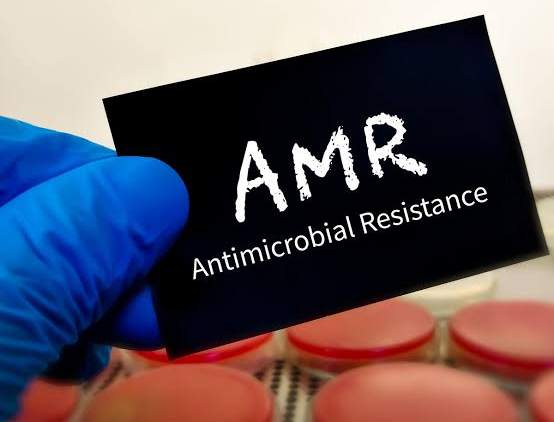
Antimicrobial resistance, commonly known as AMR, occurs when microorganisms such as bacteria, viruses, fungi and parasites develop the ability to survive medicines that were previously effective against them. As a result, infections can become harder to treat, increasing health risks for people and animals.

Theme of World AMR Awareness Week 2026
The theme for 2026 is “One Health, One Action: Prevent AMR Now.” It highlights the need for joint efforts across human health, animal health, agriculture, food systems and the environment.
The One Health approach recognises that the health of people, animals, plants and the environment is closely connected. Misuse of medicines in any of these areas can contribute to the spread of antimicrobial resistance.
Union Health Secretary Punya Salila Srivastava addressed the event virtually. She described AMR as a major public health concern linked to the unnecessary and excessive use of antimicrobial medicines.
Why Is Antimicrobial Resistance a Growing Concern?
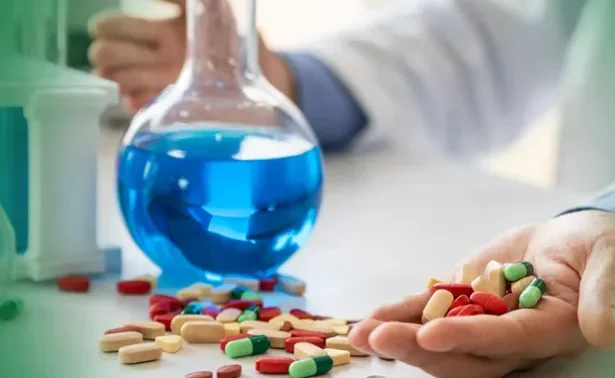
Antimicrobial medicines are used to prevent and treat infections. However, when these medicines are used incorrectly or too frequently, microorganisms can develop resistance against them.
For example, taking antibiotics without medical advice, using the wrong medicine or stopping a prescribed course without consulting a healthcare professional can contribute to the problem.
According to estimates discussed during the national event, more than half of antimicrobial sales in India take place without prescriptions. It was also highlighted that nearly half of antibiotic prescriptions in outpatient settings may be inappropriate.
These concerns show why public awareness and responsible medical practices are important.
India’s National Action Plan on AMR
India is working to control antimicrobial resistance through its National Action Plan on Antimicrobial Resistance 2.0, which covers the period from 2025 to 2029.
The plan was launched in November 2025 by Union Health Minister J.P. Nadda. It focuses on improving awareness, strengthening monitoring systems and encouraging the responsible use of antimicrobial medicines.
The plan also supports cooperation between different government departments and organisations. This is important because AMR cannot be controlled by the healthcare sector alone.
Key Steps to Prevent Antimicrobial Resistance
During AMR Awareness Week, discussions focused on several steps that can help reduce the misuse of medicines.
- Avoid self-medication: People should not take antibiotics without proper medical advice.
- Follow medical instructions: Medicines should be taken according to the healthcare professional’s directions.
- Prevent prescription-free sales: Antibiotics should not be sold without a valid prescription where one is required.
- Dispose of medicines safely: Unused or expired medicines should be disposed of properly instead of being thrown away carelessly.
- Improve public awareness: People should understand the risks of misusing antimicrobial medicines.
- Ensure animal health safety: Antimicrobial medicines should be used responsibly in veterinary care and animal farming.
- Improve medicine quality: Action is needed against substandard and poor-quality medicines.
Different Organisations Join the National Campaign
Several organisations took part in the national discussions, including the National Health Systems Resource Centre, Central Drugs Standard Control Organisation, Department of Animal Husbandry, Indian Medical Association and All India Association of Druggists and Chemists.
Their participation reflects the need for cooperation among healthcare professionals, medicine regulators, pharmacists and animal health authorities.
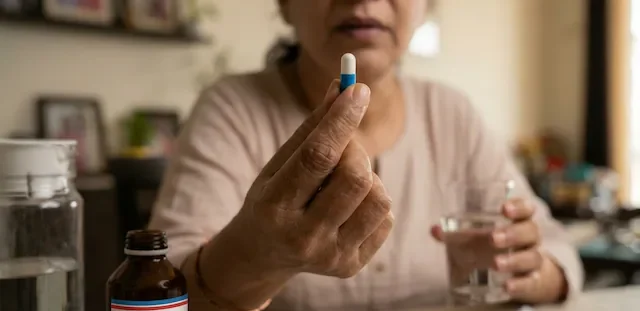
Doctors and pharmacists play an important role in guiding patients about the correct use of medicines. Public participation is equally important because everyday decisions about medicine use can affect the spread of resistance.
Global Efforts to Control AMR
Antimicrobial resistance is not limited to India. It is a global health challenge that requires cooperation between countries.
On May 23, 2026, the 79th World Health Assembly adopted an updated Global Action Plan on AMR for 2026-2036. The framework aims to strengthen international action against drug resistance through better prevention, responsible medicine use and cooperation across different sectors.
India’s national campaign is part of this wider effort. By promoting responsible medicine use and the One Health approach, the country is working to reduce the risks of infections becoming more difficult to treat.