


UNICORN Project: India and Japan Speed Up Defence Deals

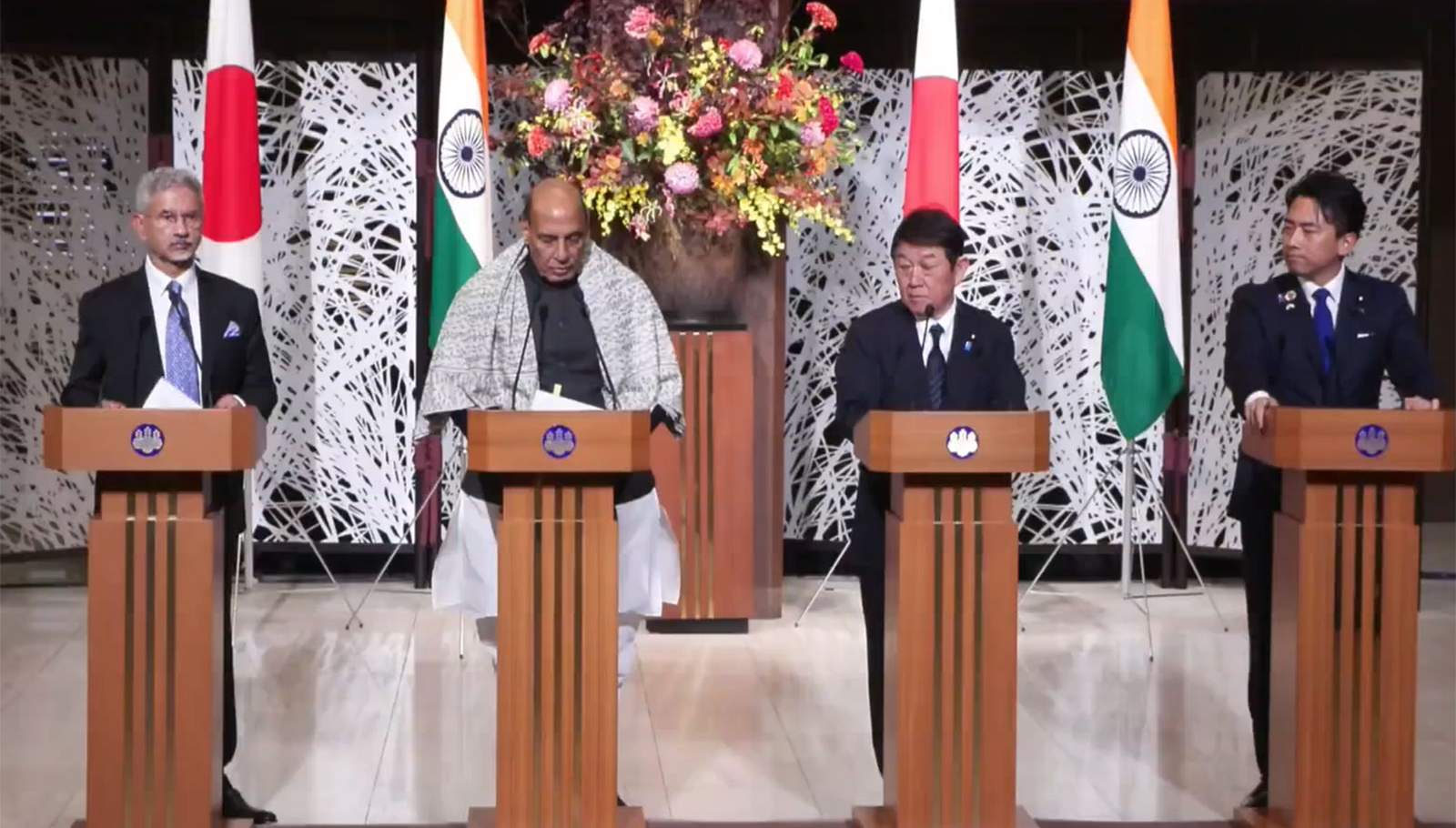
UNICORN Project is becoming an important part of defence cooperation between India and Japan. On November 19, 2026, both countries agreed to speed up defence agreements related to the project during their 2+2 ministerial dialogue in Tokyo, Japan. The discussions focused on improving defence technology, strengthening maritime security and expanding cooperation in defence manufacturing.
The Indian delegation included Defence Minister Rajnath Singh and External Affairs Minister S. Jaishankar. They met Japanese Foreign Minister Toshimitsu Motegi and Defence Minister Shinjiro Koizumi to discuss ways to strengthen the strategic partnership between the two countries.

What Is the UNICORN Project?
UNICORN stands for Unified Complex Radio Antenna. It is a modern naval communication antenna developed by Japan for its Maritime Self-Defense Force vessels. The technology combines several radio-frequency antennas into one integrated structure.
This design helps reduce the number of separate antennas fitted on a ship. It also reduces exposed equipment and radar reflections, making the vessel less noticeable to radar systems.
The UNICORN project is the first joint defence co-development and co-production initiative between India and Japan. In July 2026, both countries reached a basic agreement for exporting the antenna to India.
India wants to move the project forward by completing the required agreements quickly. The initiative is also expected to create opportunities for cooperation in advanced defence technologies.
Design with Japan, Make in India
During the meeting, Defence Minister Rajnath Singh highlighted the importance of expanding defence industrial cooperation. He encouraged both countries to work under the framework of “Design with Japan, Make in India.”
The framework aims to combine Japanese technology and expertise with India’s manufacturing capabilities. It could support the development and production of advanced defence equipment within India.
The discussions also covered cooperation in specialised areas such as underwater technologies, missile systems and other advanced defence products. Such partnerships can help India strengthen its domestic defence industry and reduce dependence on imported equipment.
India and Japan Strengthen Maritime Security
Maritime security was another major topic during the meeting. India and Japan share important interests in maintaining peace and stability in the Indo-Pacific region.
Both countries discussed expanding joint defence manufacturing, improving mine-countermeasure capabilities and allowing reciprocal access to ship-repair facilities.
Access to repair facilities can help naval vessels receive maintenance and technical support more easily when operating in each other’s regions. Better coordination can also improve the ability of both navies to respond to maritime challenges.
The two countries are also looking at ways to increase joint military activities and improve cooperation between their armed forces.
Japan’s Mogami-Class Frigates and Indian Shipbuilding
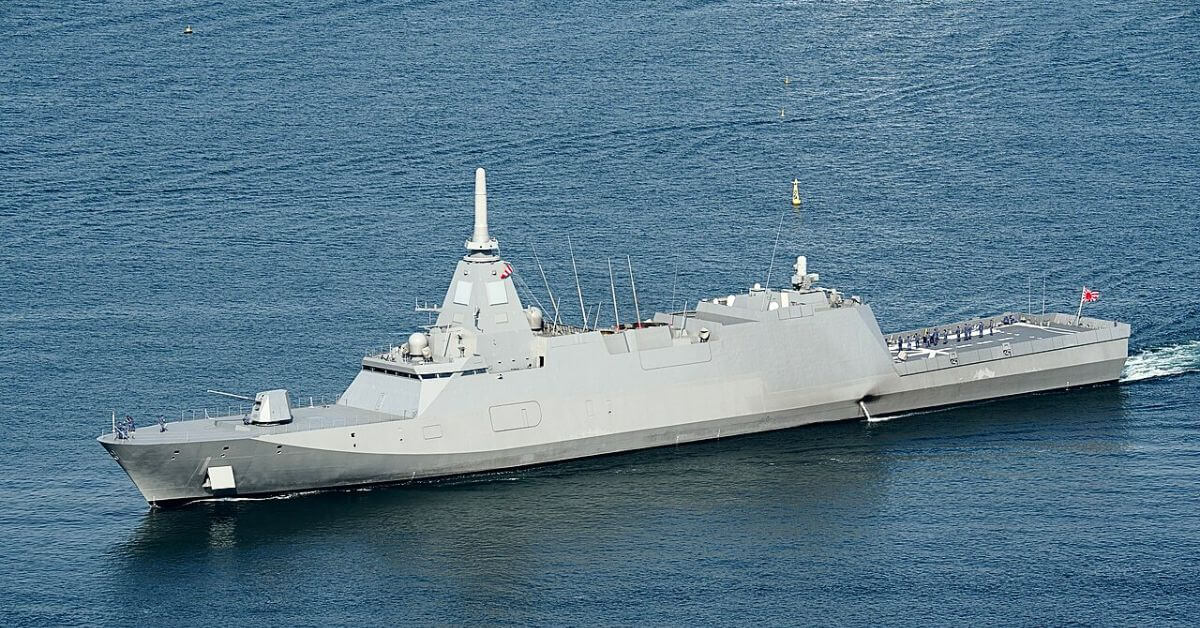
On November 18, 2026, Rajnath Singh visited Yokosuka in Japan and inspected the JS Natori, a Mogami-class stealth frigate of the Japan Maritime Self-Defense Force.
The Mogami-class frigates are modern naval ships designed with advanced technology and automated systems. They require a crew of around 90 people, which is relatively small compared with many other modern frigates.
Japan has offered to transfer the design and production rights of these ships to India. This could create opportunities for possible joint naval shipbuilding in the future.
If the proposal moves forward, Indian shipyards could benefit from Japanese technology and technical knowledge. It may also support India’s efforts to improve domestic naval manufacturing.
Veer Guardian 2026 Expands Air Force Cooperation
Defence cooperation between India and Japan is not limited to naval technology. Their air forces are also increasing joint activities.
Japanese Air Self-Defense Force fighter aircraft participated in the bilateral air exercise Veer Guardian 2026 in India for the first time. The exercise provided an opportunity for both air forces to work together and improve operational coordination.
Such exercises help military personnel understand each other’s procedures, improve communication and build stronger professional relationships.
A Growing India-Japan Defence Partnership
The latest discussions show that India and Japan are working to expand their defence partnership beyond traditional military cooperation. Both countries are focusing on technology sharing, joint production, naval development and military exercises.
The UNICORN Project is an important example of this changing relationship. It can support the transfer of advanced technology while creating opportunities for Indian manufacturing companies.
With discussions covering naval antennas, stealth frigates, ship repairs and air force exercises, defence cooperation between the two countries is expected to remain an important part of their wider strategic partnership.