Odisha Mother-Tongue Education Drive: Bringing Early Learning Closer to Children

Odisha Mother-Tongue Education Drive marks a significant step in the state’s effort to build an inclusive, child-friendly and empowering education system. On Tuesday, the Odisha government launched a five-year education scheme called ‘Aame Padhiba Aama Bhasare’, along with a 100-day campaign to prevent child marriage and a pilot project focused on preventing teenage pregnancy and supporting teenage mothers. Together, these initiatives reflect a broader vision where education, women empowerment and child welfare move forward hand in hand.
Thank you for reading this post, don't forget to subscribe!A New Push for Inclusive Development
While launching the programmes, Deputy Chief Minister Pravati Parida highlighted that women empowerment is central to Odisha’s development journey. She stressed that creating a safe, equal and respectful environment for women and children remains one of the government’s highest priorities. The newly announced initiatives are designed to address long-standing social challenges while strengthening the foundation of early education.
The Odisha Mother-Tongue Education Drive is especially important because it focuses on the early years of learning. Research and experience have shown that children understand concepts better when they are taught in a language they speak at home. By recognising this, the state government has taken a practical step to improve learning outcomes among young children, particularly in tribal and rural areas.
Learning in the Language of Home
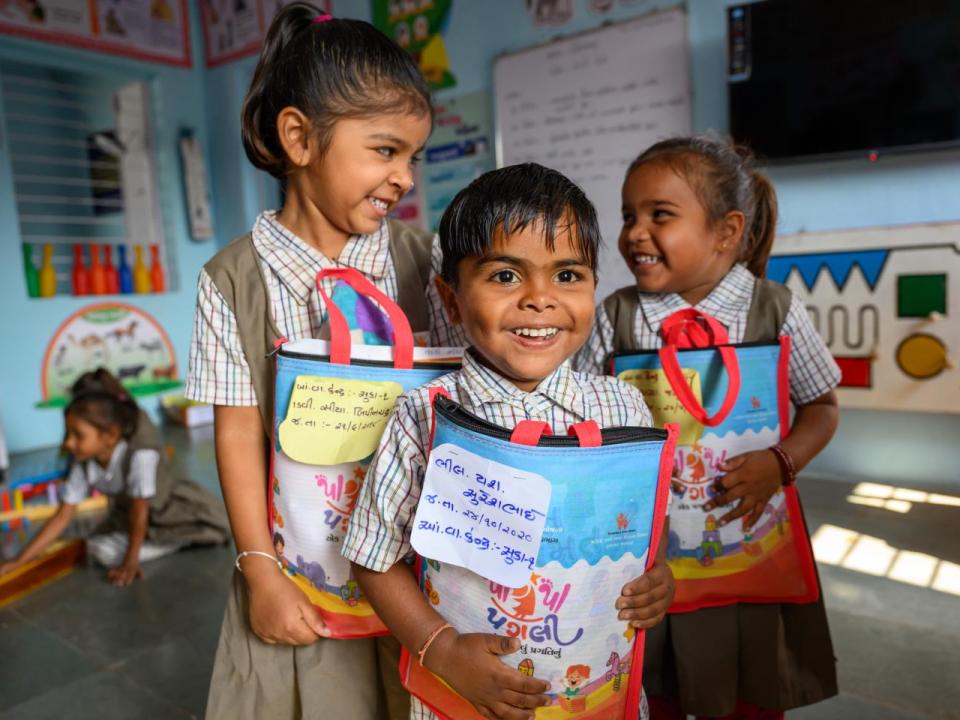
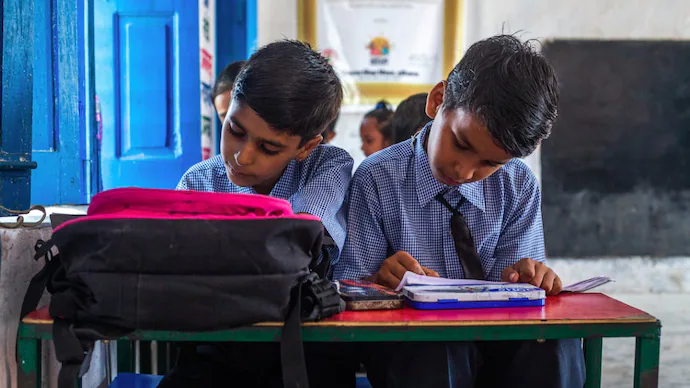
Under the ‘Aame Padhiba Aama Bhasare’ scheme, children between the ages of three and six will receive early childhood education in their mother tongue. This approach follows the recommendations of the National Education Policy (NEP), 2020, which strongly supports teaching young learners in their home language during the foundational years.
For many children in tribal regions, the classroom language has often been different from the language spoken at home. This gap can lead to confusion, low confidence and slow learning. The Odisha Mother-Tongue Education Drive seeks to remove this barrier by making learning natural, familiar and enjoyable for children from the very beginning.
Focus on Tribal Languages and Regions
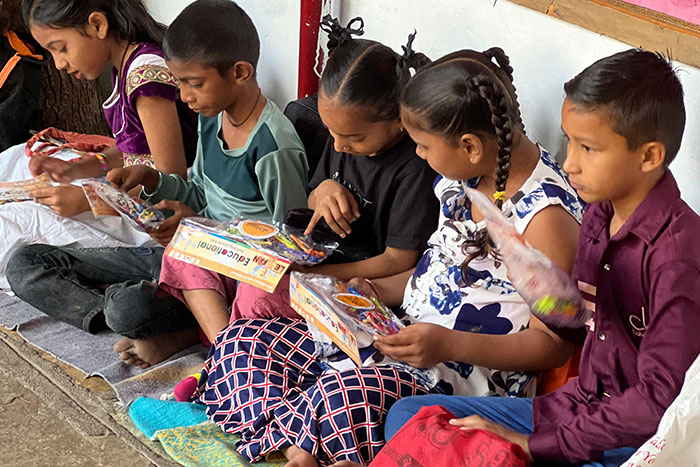
In its first phase, the scheme will be implemented in six tribal languages Munda, Kui, Saura, Kuvi, Gondi and Koya. These languages are spoken widely in districts such as Keonjhar, Kandhamal, Gajapati, Rayagada, Nabarangpur and Malkangiri. By starting in these districts, the government is reaching some of the most underserved communities in the state.
This targeted approach ensures that the benefits of the Odisha Mother-Tongue Education Drive reach children who need it the most. It also sends a strong message that tribal languages and cultures are valued and respected within the formal education system.
Strengthening Anganwadi Centres
Anganwadi centres play a key role in early childhood education, and the success of this scheme depends heavily on their effectiveness. To support the new programme, anganwadi workers will receive special training in the relevant tribal languages. They will also be provided with teaching-learning materials and audio-visual content designed specifically for young learners.
The government plans to make anganwadi centres more attractive and child-friendly. Bright learning spaces, engaging materials and interactive teaching methods are expected to make children more interested in attending regularly. This focus on infrastructure and teaching quality adds strength to the Odisha Mother-Tongue Education Drive.
Linking Education with Social Awareness
Alongside the education scheme, the Odisha government has launched a 100-day campaign to prevent child marriage and a pilot project to address teenage pregnancy. These efforts are closely linked to education, especially for girls. When girls stay in school longer and receive proper support, the risks of early marriage and teenage pregnancy reduce significantly.
The pilot project also focuses on supporting teenage mothers, ensuring they are not pushed out of the education system or denied access to healthcare and social support. This approach reflects a more compassionate and practical understanding of social realities.
Community Participation at the Core
A key feature of these initiatives is strong community involvement. The government aims to work closely with ASHA workers, anganwadi workers, youth leaders and local institutions. By involving people who are already trusted within communities, the programmes are more likely to succeed.
Deputy Chief Minister Parida pointed out that awareness is essential for preventing child marriage. Without public understanding and support, laws and schemes alone cannot bring lasting change. That is why the campaign includes activities such as cycle rallies, youth conferences, human chains and school- and college-based early warning systems.
Role of Youth and Local Institutions
Youth participation is being encouraged as a powerful force for social change. Young people are often more open to new ideas and can influence their peers and families effectively. Through conferences and awareness drives, the government hopes to create a network of informed and responsible youth who will stand against practices like child marriage.
Schools and colleges will also act as early warning platforms, helping identify cases where children may be at risk of dropping out, early marriage or other social challenges. This preventive approach fits well with the broader goals of the Odisha Mother-Tongue Education Drive.
Building a Movement, Not Just a Scheme
The government has expressed its intention to popularise ‘Aame Padhiba Aama Bhasare’ in a way similar to other well-known state initiatives such as the Subhadra Yojana. The idea is to turn the programme into a people’s movement rather than limiting it to official files and announcements.
By combining education in the mother tongue, social awareness campaigns and community participation, Odisha is attempting a holistic approach to development. The Odisha Mother-Tongue Education Drive is not just about language or classrooms; it is about dignity, inclusion and giving every child a fair start in life.
As these initiatives roll out across districts, their real impact will be seen in classrooms, homes and communities. If implemented effectively, they have the potential to reshape early education, strengthen women empowerment and create safer futures for children across Odisha.