India-US Relations Under Trump 2.0: Between Warm Optics and Hard Realities

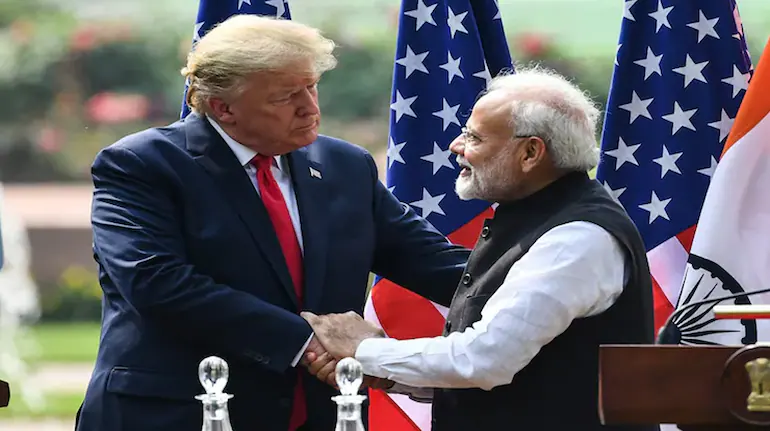
India-US Relations Under Trump 2.0 have entered a phase that looks friendly on the surface but uncertain underneath. The energetic arrival of Ambassador-designate Sergio Gor at the US embassy in New Delhi on January 12 and his hopeful comments briefly created a sense that the old momentum between the two democracies might return. For nearly 25 years, India and the United States steadily built trust across defence, trade, technology, and people-to-people ties. Yet, behind the smiles and diplomatic gestures, the larger direction of Washington’s policy under President Donald Trump’s second term suggests a relationship driven more by deals and leverage than by long-term partnership.
Thank you for reading this post, don't forget to subscribe!Diplomatic Signals and the Reality Behind Them
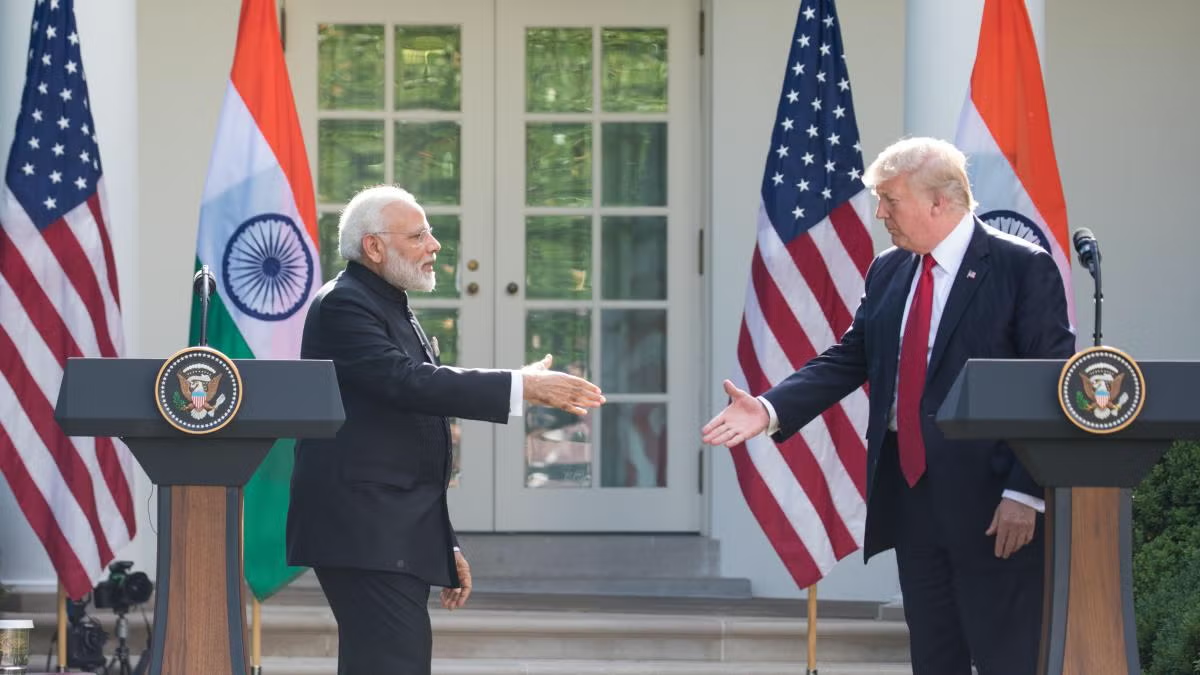
In New Delhi, policymakers are closely watching whether the long-pending India–US trade agreement will finally be signed. Officials on both sides have indicated that the deal is largely ready, waiting only for political approval. However, recent comments attributed to US Commerce Secretary Howard Lutnick suggest that President Trump is expecting a very visible outreach from Prime Minister Narendra Modi before moving ahead.
For India, this presents a dilemma. Trump’s past record shows that overt displays of deference do not always lead to goodwill. In several cases, leaders who sought to flatter or accommodate him publicly were later criticised or pressured for more concessions. Trump’s style values strength and bargaining power over shared values or history. This makes India cautious about appearing overly eager, especially when the benefits of such gestures remain uncertain.
Power Politics Over Partnership
Under Trump 2.0, American foreign policy appears increasingly shaped by transactional thinking. Relationships are assessed by what immediate gains they deliver rather than by strategic alignment. This approach affects India directly, as New Delhi has long seen its partnership with Washington as one rooted in common democratic values, regional stability, and shared concerns about China.
The concern now is that these broader ideas may carry less weight than before. Instead, the focus is shifting toward trade balances, defence purchases, and political symbolism. This change does not mean the relationship is collapsing, but it does mean that India can no longer assume automatic strategic support based on goodwill alone.
China’s Strong Hand in Trump’s Strategy
One of the most striking features of Trump’s worldview is his approach to China. Beijing’s control over rare earths and strategic minerals gives it enormous economic leverage. These materials are critical for high-tech industries, defence systems, and green energy transitions. This reality appears to have made Washington more cautious in confronting China directly.
Trump’s relatively soft tone toward President Xi Jinping has fuelled speculation about a possible “grand bargain” between the two powers. Such a deal could reshape global politics, but it would also leave many US partners uneasy. Reports that Trump advised Japan not to provoke China over Taiwan, and his remark that Taiwan’s future was largely “for China to decide,” have sent worrying signals across Asia.
Implications for the Indo-Pacific
These signals matter deeply for India. The Indo-Pacific strategy, and especially the Quad grouping of India, the US, Japan, and Australia, was built on the idea of balancing China’s growing influence. India invested significant diplomatic energy in the Quad, seeing it as a flexible platform rather than a military alliance.
Ambassador-designate Gor’s suggestion that Trump might visit India only “in a year or two” has raised questions about Washington’s priorities. If the US reduces its focus on the Indo-Pacific or treats the Quad as optional, the sense of strategic continuity weakens. For India, this creates uncertainty about how much it can rely on US commitment in the region.
Personal Chemistry Versus Structural Shifts
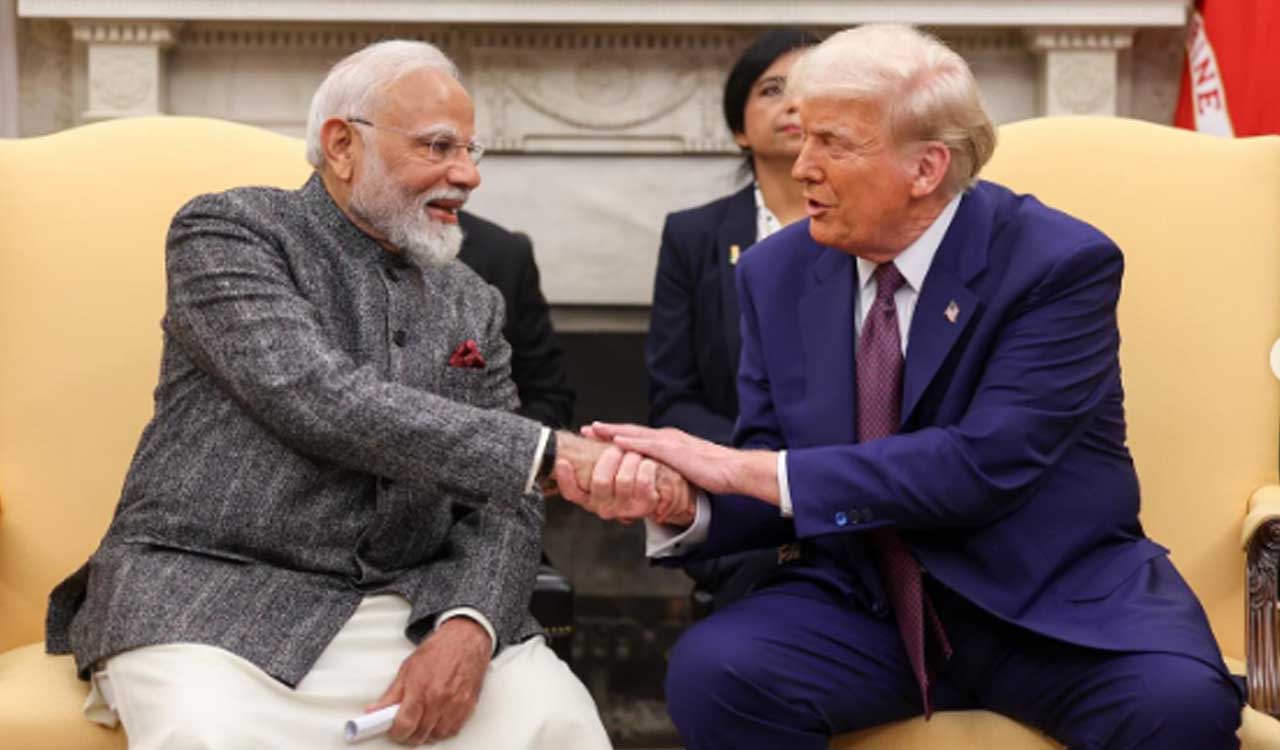
When Trump returned to office in January 2025, the Modi government initially felt optimistic. Past public events, ideological overlap, and personal chemistry between the two leaders created expectations of smooth engagement. Modi’s early visit to Washington and the quick meeting of Quad foreign ministers reinforced this belief.
However, personal rapport can only go so far. Small irritants, such as India not publicly crediting Trump for diplomatic developments during Operation Sindoor or not nominating him for a Nobel Peace Prize, may have played a role. But the deeper forces are structural. America’s relative economic strain, China’s rapid rise, and a changing global order are reshaping priorities in ways that personal relationships cannot override.
Areas Where Cooperation Still Works
Despite strategic uncertainty, many parts of the India–US relationship remain strong. Defence cooperation continues through joint exercises, arms sales, and intelligence sharing. Counter-terrorism coordination remains a shared priority, especially given threats in the wider region. Collaboration in science, technology, space, and critical technologies also continues to grow.
These areas are vital for India’s long-term development. Access to advanced technology, research partnerships, and defence platforms supports India’s ambition to modernise its economy and military. New Delhi is therefore careful not to let political disagreements disrupt these practical gains.
India-US Relations Under Trump 2.0: Social Undercurrents and Public Opinion
Another area of concern is the treatment of Indian-Americans and Indian professionals in the US. Rising hostility toward immigrants and stricter visa narratives can affect public opinion in India. The Indian diaspora has long acted as a bridge between the two countries, strengthening cultural and economic ties. If this social foundation weakens, diplomatic relations could face added strain.
Public sentiment matters, especially in a democracy. Negative experiences abroad can influence how partnerships are viewed at home, making governments more cautious in their engagement.
India’s Choices in a Changing World
The global environment today resembles a loose version of Cold War politics, marked by rivalry mixed with selective cooperation. In this “Cold War 2.0,” alliances are fluid, and interests shift quickly. For India, this means avoiding over-dependence on any single partner.
The most reliable path forward lies in strengthening domestic capabilities. Faster economic growth, technological self-reliance, stable borders, and strong regional ties give India leverage in any partnership. At the same time, India can continue building diverse relationships across Europe, Asia, Africa, and the Global South.
In such a world, India-US Relations Under Trump 2.0 will likely remain important but unpredictable shaped as much by global power shifts as by bilateral intentions.