Jharkhand Implements PESA Law: A Long-Awaited Step Towards Tribal Self-Governance

Jharkhand Implements PESA Law after a wait of nearly twenty-five years since the state was formed. This development has brought fresh attention to tribal self-governance, constitutional promises, and the real power of village institutions in Scheduled Areas. The notification of rules under the Panchayat (Extension to Scheduled Areas) Act, 1996, commonly known as PESA, marks a significant political and social moment for Jharkhand, a state with a large tribal population and rich natural resources.
Thank you for reading this post, don't forget to subscribe!The move has been welcomed by many as a corrective step, but it has also reopened debates about whether the spirit of PESA has been fully respected. At the heart of the discussion lies the question of how much authority the Gram Sabha will truly exercise and how far administrative control will continue to shape decision-making in tribal regions.
Why PESA Matters for Jharkhand
PESA was enacted by Parliament in 1996 to ensure that tribal communities living in Fifth Schedule Areas could govern themselves through traditional and democratic institutions. The law recognises the Gram Sabha as the foundation of self-rule, giving it powers over local resources, customs, and dispute resolution.
Jharkhand was carved out as a separate state in 2000, largely driven by tribal movements demanding control over land, forests, and identity. Yet, despite this background, the state delayed framing rules under PESA for more than two decades. While most Fifth Schedule states implemented PESA years ago, Jharkhand’s delay became a symbol of unfulfilled promises to tribal communities.
Areas Covered Under the New Rules
With the notification now in place, Jharkhand Implements PESA Law across a substantial part of the state. The rules fully apply in 13 out of 24 districts. These include Ranchi, Khunti, Gumla, Simdega, West Singhbhum, and other tribal-dominated regions. Partial implementation has been notified in districts such as Palamu, Garhwa, and Godda.
According to the 2011 Census, Scheduled Tribes make up about 26.3 per cent of Jharkhand’s population. More than half of this population lives in over 12,000 villages located in Scheduled Areas. For these communities, PESA is not just a legal framework but a potential tool to regain control over daily life and livelihoods.
Gram Sabha at the Centre of Governance
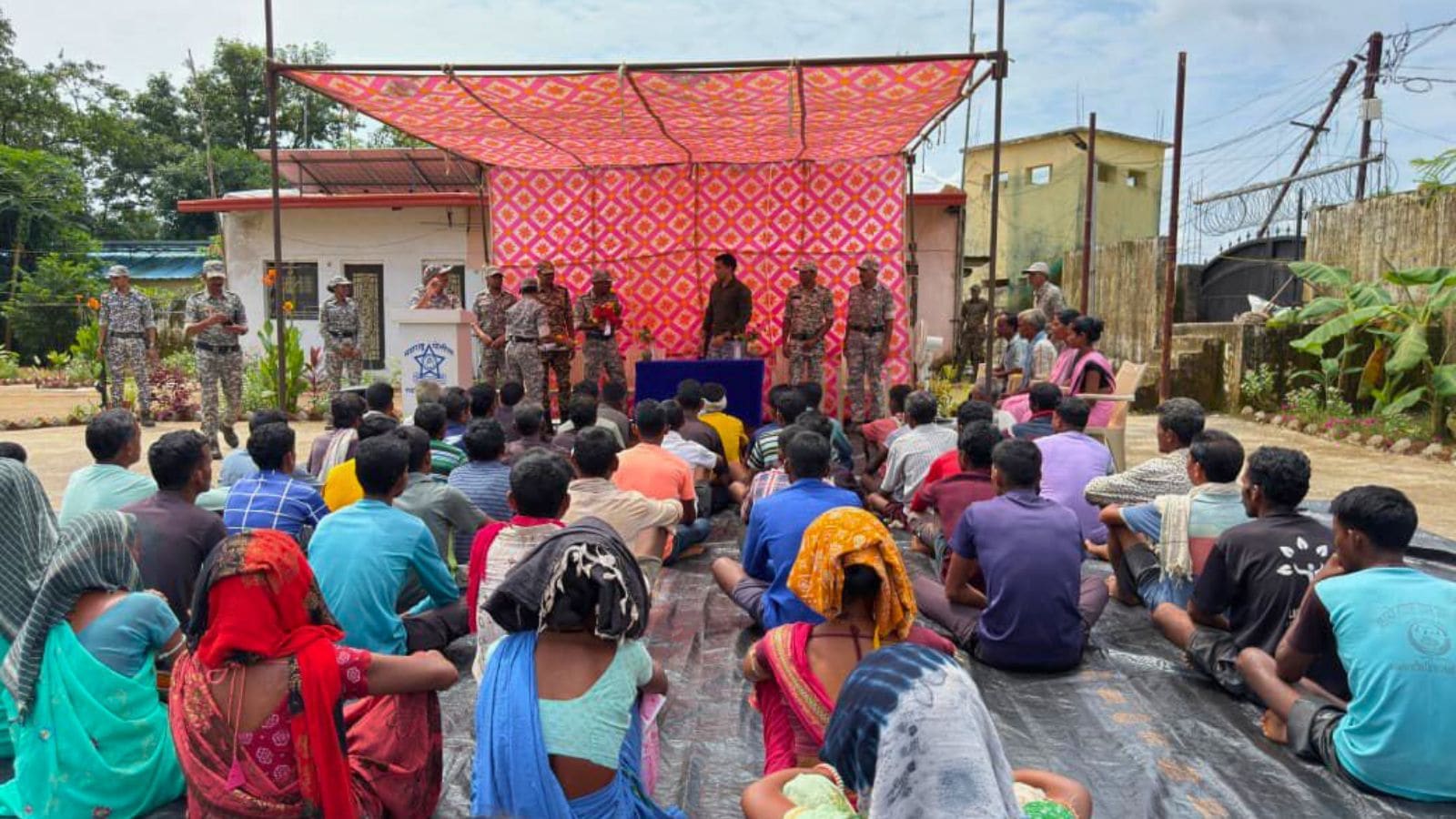
One of the most important aspects of the new rules is the formal recognition of the Gram Sabha as the highest authority in Scheduled Areas. The Gram Sabha president will be chosen according to local customary practices rather than through uniform election rules. This provision acknowledges the diversity of tribal traditions across Jharkhand.
The Gram Sabha has been given powers to manage community resources such as water bodies, village commons, and minor minerals. It can also resolve local disputes and impose fines of up to Rs 2,000. These powers are meant to reduce dependence on distant administrative structures and strengthen local decision-making.
However, there is a key limitation. The recognition and notification of Gram Sabhas and their territorial boundaries remain in the hands of the district administration. Many tribal leaders and activists argue that this weakens the autonomy promised under PESA and keeps real control with government officials.
Political Responses and Differing Views
Chief Minister Hemant Soren has called the notification of PESA rules a historic moment. He has stated that Jharkhand Implements PESA Law to restore tribal authority over land, forests, and water, which he describes as the soul of tribal life. The government has projected the move as a step towards correcting historical injustice.
Opposition leaders have taken a more critical view. Senior leaders such as Babulal Marandi and Arjun Munda argue that the rules dilute the original spirit of PESA. According to them, excessive administrative oversight and limited recognition of customary law undermine the idea of Gram Sabha supremacy.
Jharkhand already recognises traditional governance systems such as Manki-Munda and Majhi-Pargana. The state pays honorariums to more than 28,500 traditional functionaries. Critics question whether these systems will truly be empowered under the new PESA framework or merely symbolically acknowledged.
Customary Law and Administrative Control
A major point of debate is the balance between customary law and modern administration. Tribal societies in Jharkhand have long managed land, forests, and social relations through traditional norms. PESA was designed to protect these practices, not replace them.
Activists argue that while Jharkhand Implements PESA Law, it does not clearly transfer control over crucial areas such as forest produce, District Mineral Foundation funds, and Tribal Sub Plan allocations to the Gram Sabha. Without authority over these resources, they fear that self-governance will remain limited on paper.
Resources, Development, and Tribal Reality
Jharkhand holds nearly 40 per cent of India’s mineral resources, including coal, iron ore, and bauxite. Despite this wealth, tribal communities continue to face high levels of poverty, malnutrition, anaemia, and dependence on wage labour.
Supporters of PESA believe that genuine Gram Sabha control over local resources could change this situation. Decisions on mining, land acquisition, and development projects could reflect local priorities rather than external interests. Critics, however, caution that unless administrative dominance is reduced, the benefits may not reach the ground.
A Turning Point with Open Questions
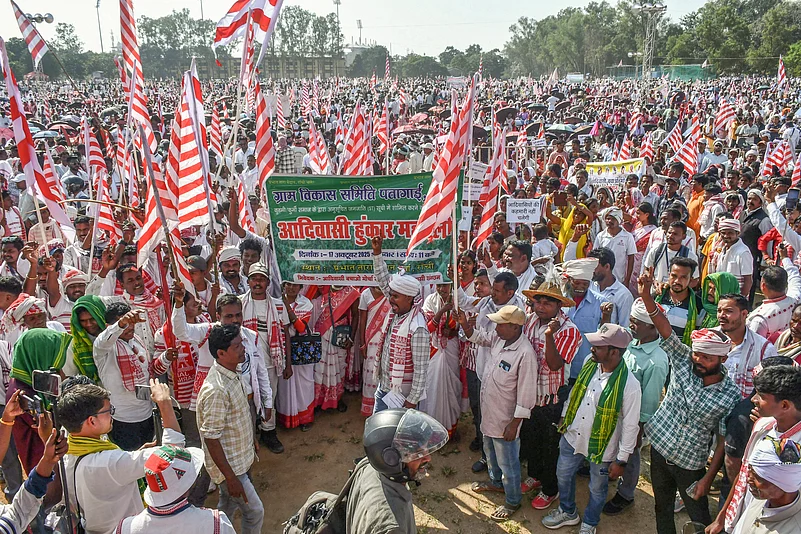
The notification of PESA rules has undoubtedly brought tribal governance back into public discussion. For many villages, it offers hope that long-standing demands for dignity, participation, and control will finally be addressed. For others, it raises concerns about whether the law will be implemented in letter alone or also in spirit.
As Jharkhand Implements PESA Law, the real test will lie in how Gram Sabhas function in practice, how customary institutions are respected, and whether tribal communities see real improvements in their lives. The coming years will determine whether this long-awaited step becomes a foundation for meaningful self-rule or remains a missed opportunity shaped by administrative limits.