


Gandhi Jayanti: Honoring the Father of the Nation and Global Icon of Peace

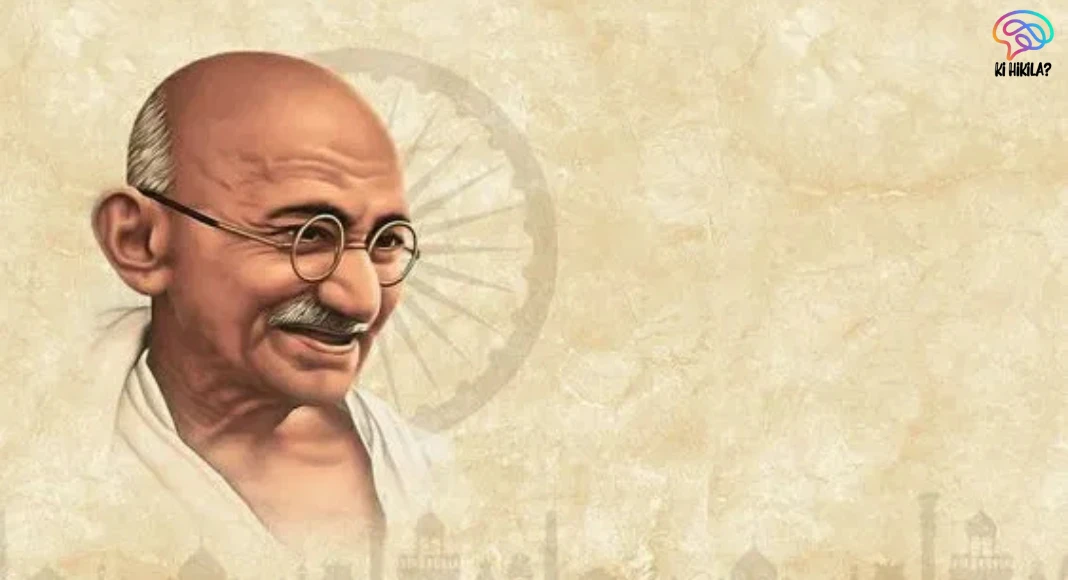
Gandhi Jayanti, celebrated annually on October 2nd, is a significant occasion that commemorates the birth anniversary of Mohandas Karamchand Gandhi, affectionately known as Mahatma Gandhi, the revered Father of the Nation in India. Observed not only as a national holiday in India but also as a global symbol of peace and non-violence, Gandhi Jayanti offers an opportunity to reflect on Gandhi’s profound contributions to India’s independence, his unwavering commitment to justice, and his enduring influence on peace movements worldwide. This special day reminds people across the globe about the importance of truth, non-violence (ahimsa), and ethical living. In this comprehensive guide on Gandhi Jayanti, we explore its rich history, significance, celebratory customs, and relevance in today’s world, providing a holistic understanding of why Gandhi Jayanti continues to inspire generations.
Thank you for reading this post, don't forget to subscribe!Introduction
Gandhi Jayanti is far more than a ceremonial observance; it is a day dedicated to honoring the ideals and principles that shaped modern India and inspired leaders worldwide. Born on October 2, 1869, in Porbandar, Gujarat, Mahatma Gandhi’s life journey is a remarkable tale of resilience and vision. From a young lawyer in South Africa facing racial discrimination to the iconic leader of India’s freedom struggle, Gandhi’s legacy is unparalleled.
After India gained independence in 1947, October 2nd was officially declared Gandhi Jayanti, a tribute to Gandhi’s unwavering sacrifices and leadership. Every year on this day, schools, offices, and public institutions close, allowing citizens to engage in activities that honor Gandhian principles and promote social harmony.
Significantly, Gandhi Jayanti is also recognized internationally. In 2007, the United Nations declared October 2nd as the International Day of Non-Violence, highlighting Gandhi’s global influence. This recognition emphasizes that Gandhi Jayanti transcends national boundaries, inspiring worldwide dialogue on peace, justice, and sustainability. By celebrating Gandhi Jayanti, people are encouraged to incorporate ahimsa and truthfulness into their daily lives, reinforcing the day’s timeless relevance.
The Historical Background of Gandhi Jayanti
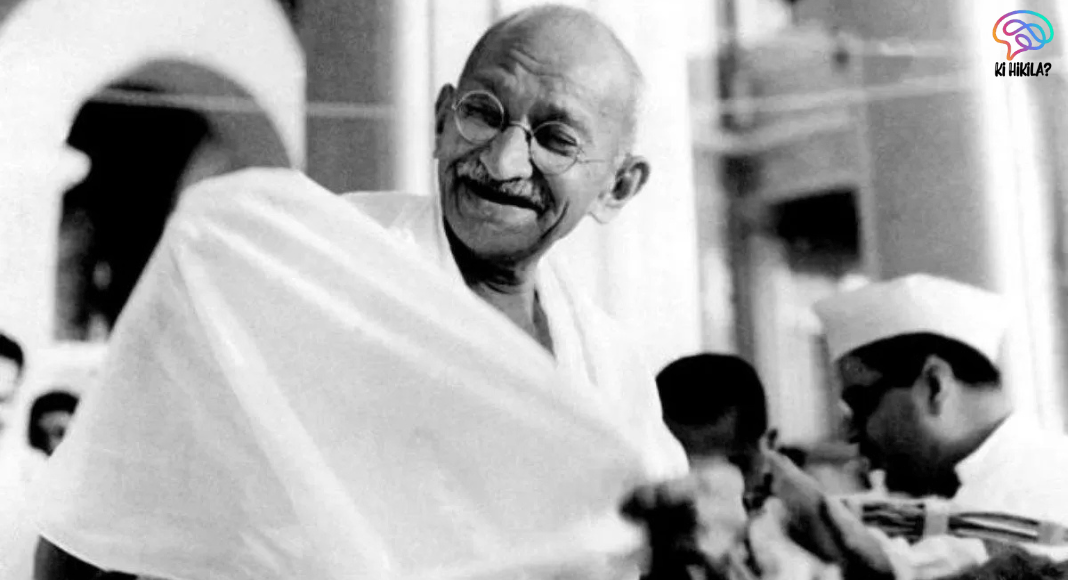
To understand the importance of Gandhi Jayanti, one must delve into the life and achievements of Mahatma Gandhi. The day commemorates a visionary leader who redefined protest through satyagraha, or the force of truth. Gandhi’s early years in India were shaped by traditional values, but it was his time in South Africa (1893–1914) that forged his path as a social reformer. A defining moment occurred when he was thrown off a train for refusing to move from a first-class compartment, an incident that ignited his lifelong fight against racial injustice.
Returning to India in 1915, Gandhi became a prominent leader in the Indian National Congress, leading movements such as the Non-Cooperation Movement (1920–1922), the Salt March (1930), and the Quit India Movement (1942). Gandhi Jayanti celebrates not just his birth but also the principles of resilience, peaceful resistance, and moral courage that guided India’s freedom struggle.
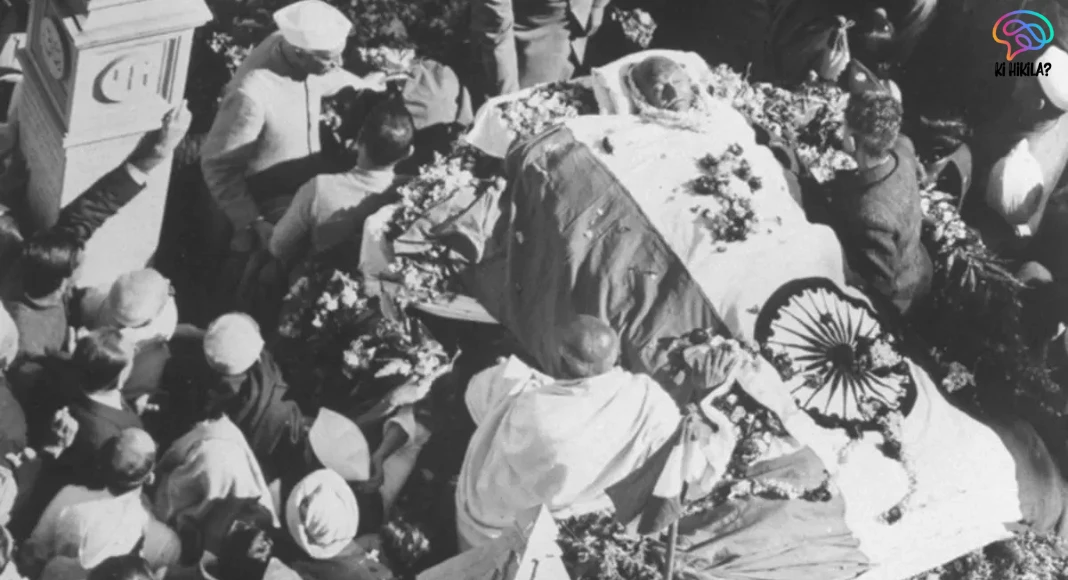
Over time, Gandhi Jayanti has evolved into a day of reflection. Prayer meetings are held at Raj Ghat in Delhi, where Gandhi was cremated, attended by dignitaries and citizens alike. Gandhi’s autobiography, The Story of My Experiments with Truth, is frequently read aloud during these commemorations, providing insights into his philosophy of self-discipline, moral integrity, and unwavering commitment to justice.
The Significance of Gandhi Jayanti in Modern India
In contemporary India, Gandhi Jayanti carries profound significance. It serves as a beacon for ethical governance, social harmony, and peaceful conflict resolution. At a time when societies face rising communal tensions and economic disparities, Gandhi Jayanti reminds citizens of the importance of unity, non-violence, and social responsibility.
Educational institutions play a crucial role in keeping Gandhi’s legacy alive. Schools organize essay competitions, debates, and cultural programs, emphasizing the values of empathy, honesty, and justice. Adults are encouraged to adopt habits aligned with Gandhi’s principles, such as simple living, vegetarianism, and environmental consciousness.
Globally, Gandhi Jayanti’s influence is immense. Leaders like Martin Luther King Jr. and Nelson Mandela drew inspiration from Gandhi’s strategies of peaceful protest. Observing Gandhi Jayanti is a reminder that one individual’s commitment to truth and non-violence can spark transformative global movements. Today, the day also aligns with modern objectives like the United Nations Sustainable Development Goals (SDGs), highlighting Gandhi’s advocacy for environmental stewardship, sustainable livelihoods, and community welfare.
Celebrations and Traditions of Gandhi Jayanti
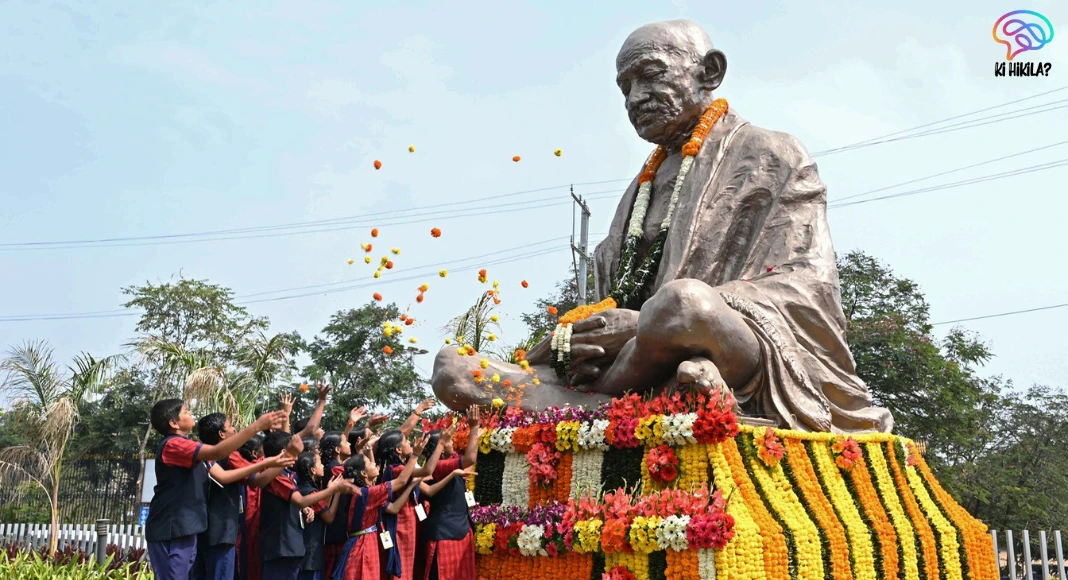
Gandhi Jayanti celebrations reflect simplicity and reverence, mirroring Gandhi’s own lifestyle. The day begins with prayer services at memorials like Raj Ghat, where leaders and citizens pay homage with flowers and spinning the charkha (spinning wheel), symbolizing self-sufficiency. Devotional songs favored by Gandhi, such as “Raghupati Raghav Raja Ram,” resonate during these gatherings.
Communities engage in shramdaan (voluntary labor), cleaning public spaces and honoring Gandhi’s emphasis on sanitation. Schools organize skits and performances portraying episodes from Gandhi’s life, instilling patriotism and moral values in students.
Internationally, Gandhi Jayanti is observed by the Indian diaspora in countries such as the UK, USA, and South Africa. The Gandhi statue in London’s Parliament Square often becomes a focal point for commemorations. Online platforms have further expanded celebrations, with webinars and social media campaigns using #GandhiJayanti to spread his message worldwide. Traditional vegetarian dishes like khichdi are served, reflecting Gandhi’s dietary practices.
Mahatma Gandhi’s Life: A Detailed Biography
Born to a modest family in Porbandar, Gandhi’s early life was shaped by religious values of Jainism and Vaishnavism, emphasizing non-violence and honesty. He married Kasturba at 13 and pursued law in London (1888–1891). Gandhi’s formative years in South Africa saw him develop satyagraha while protesting discriminatory laws, including the 1906 Asiatic Registration Act.
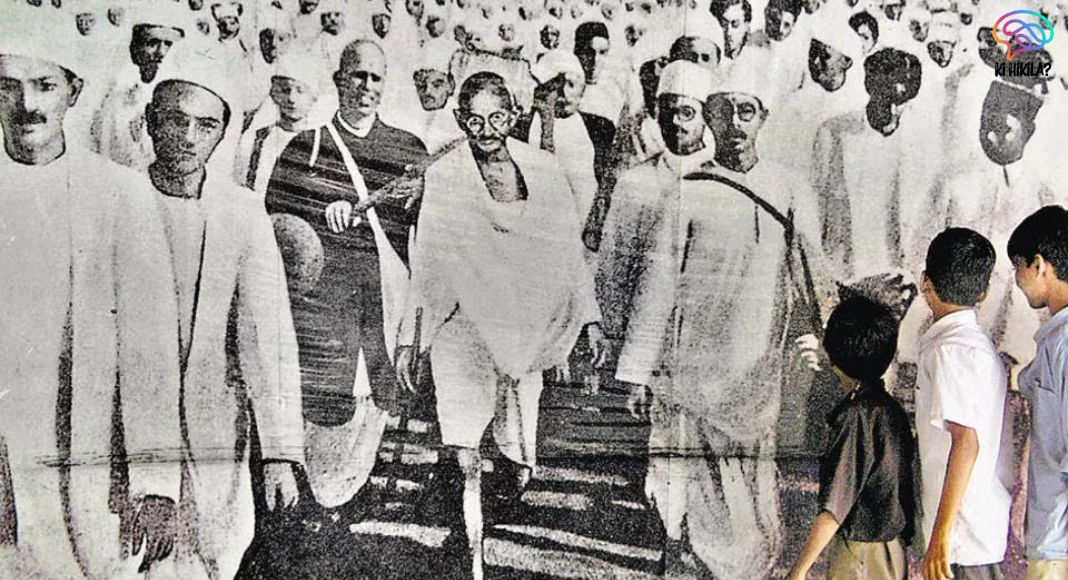
Back in India, he founded the Sabarmati Ashram (1917) and led the Champaran Satyagraha against oppressive indigo planters. The 1920s brought national prominence through the Non-Cooperation Movement, while the Salt March (1930) drew global attention. Gandhi’s leadership during the 1942 Quit India Movement and his advocacy for peace during Partition solidified his legacy. Gandhi’s personal experiments with celibacy, diet, and self-discipline influenced his philosophy of ethical living, which continues to be celebrated on Gandhi Jayanti.
Famous Gandhi Quotes for Gandhi Jayanti
Gandhi Jayanti is an ideal occasion to revisit Mahatma Gandhi’s timeless wisdom:
- “Be the change that you wish to see in the world.” – Inspires personal responsibility.
- “An eye for an eye only ends up making the whole world blind.” – Highlights non-violence.
- “The weak can never forgive. Forgiveness is the attribute of the strong.” – Encourages moral courage.
- “Happiness is when what you think, what you say, and what you do are in harmony.” – Emphasizes integrity.
- “In a gentle way, you can shake the world.” – Affirms the power of peaceful action.
These quotes are central to Gandhi Jayanti celebrations, inscribed at memorials and recited in schools.
Gandhi’s Global Influence
Gandhi Jayanti is a celebration of Gandhi’s worldwide impact. Leaders such as Martin Luther King Jr., Nelson Mandela, and Albert Einstein acknowledged his principles of non-violence, truth, and justice. Gandhi Jayanti events often highlight these influences, promoting global dialogue on peace, civil rights, and social justice.
Activities and Ideas to Celebrate Gandhi Jayanti
- Prayer and Meditation: Begin with reflection or group prayers.
- Cleanliness Drives: Participate in community sanitation efforts.
- Educational Workshops: Discuss Gandhian philosophy in schools or online.
- Cultural Programs: Organize plays, dances, or skits highlighting Gandhi’s life.
- Virtual Celebrations: Host webinars and share stories globally.
Families can read Gandhi’s books, watch films like “Gandhi” (1982), or engage in craft activities reflecting his values.
Gandhi Jayanti in Education and Media
Education systems integrate Gandhi Jayanti into curricula, teaching history and values. Textbooks detail his life, with exams including questions on Gandhi Jayanti.
Media coverage on Gandhi Jayanti includes documentaries and editorials. Films like “Lage Raho Munna Bhai” popularize Gandhigiri (Gandhian ways).Social media amplifies Gandhi Jayanti, with viral challenges promoting kindness.
Challenges and Criticisms
While widely celebrated, Gandhi Jayanti faces critique, including debates over Gandhi’s methods and views on caste. However, the observance encourages nuanced understanding and critical reflection, aligning with his principle of truth.
Conclusion
Gandhi Jayanti is a timeless tribute to a man who transformed the world through peace, non-violence, and moral courage. As we celebrate Gandhi Jayanti in 2025, let it inspire acts of kindness, ethical living, and social responsibility. The essence of Gandhi Jayanti reminds us that lasting change begins with personal commitment, and every small action contributes to a more harmonious world.
FAQs about October 2nd Celebration
1. What is the significance of this day in India?
October 2nd marks the birth anniversary of Mahatma Gandhi, honoring his role in India’s independence and his principles of non-violence, truth, and social justice. It is a national holiday, observed across the country with public events and educational programs.
2. Why is this day recognized internationally?
The United Nations declared this date as the International Day of Non-Violence in 2007 to celebrate Gandhi’s philosophy. The day encourages global dialogue on peace, tolerance, and ethical leadership.
3. How is it observed in schools and colleges?
Educational institutions hold essay competitions, debates, skits, and cultural programs. Students learn about Gandhi’s life, his campaigns against injustice, and his philosophy of ahimsa and moral integrity.
4. What are the traditional practices followed during the observance?
People participate in prayer meetings, floral tributes at memorials, spinning the charkha, and devotional singing. Community activities like shramdaan (voluntary labor) and cleanliness drives are also common.
5. How did Gandhi’s early experiences shape his activism?
His formative years in South Africa exposed him to racial discrimination, inspiring him to develop satyagraha (truth-force). These experiences laid the foundation for his leadership in India’s independence movement.
6. What major historical events are associated with his leadership?
Key campaigns include the Champaran Satyagraha, Salt March, Non-Cooperation Movement, and Quit India Movement. These movements demonstrated how peaceful protest could bring about political and social change.
7. How do families celebrate this day at home?
Families often read his books, watch documentaries or movies, share vegetarian meals, and discuss his values. Children may participate in storytelling or art activities depicting his life.
8. What lessons can young people learn from his life?
Young people are encouraged to practice truthfulness, empathy, non-violence, and social responsibility. The day inspires students and youth to contribute positively to society and act ethically in their daily lives.
9. How do communities contribute to public welfare on this day?
Community service is central to the observance. People participate in cleanliness drives, tree planting, sanitation projects, and social welfare activities, reflecting Gandhi’s vision of civic responsibility.
10. Which global leaders were influenced by his philosophy?
Leaders like Martin Luther King Jr., Nelson Mandela, and Albert Einstein credited Gandhi’s methods of peaceful resistance for shaping their approaches to civil rights and social justice movements worldwide.
11. What role does this day play in environmental awareness?
It highlights sustainable living and conservation, aligning with Gandhi’s teachings on simple living and responsible resource use. Activities include eco-friendly campaigns, tree planting, and promoting local products.
12. How has technology changed the way people celebrate?
Virtual events, online webinars, social media campaigns, and live streams now allow global participation. Hashtags and digital discussions spread his message of peace and ethical living widely.
13. Why is it considered a day for reflection?
It is a time to reflect on personal values, societal responsibility, and efforts toward global peace. The day encourages self-transformation as the first step toward contributing to social reform.
14. How can adults apply these teachings in their daily lives?
Adults can incorporate Gandhi’s principles by being honest, helping others, resolving conflicts peacefully, practicing simplicity, and engaging in community service.
15. How do media and education reinforce the values of the day?
Schools and colleges include lessons on history, ethics, and social responsibility. Media coverage features documentaries, articles, and interviews, while films and online content promote Gandhian values to younger generations.
16. Are there international events outside India?
Yes, countries like the UK, USA, South Africa, and Canada hold events at Gandhi statues, cultural programs, or peace discussions. These observances emphasize the global relevance of his principles.
17. What types of vegetarian foods are commonly shared?
Simple vegetarian meals like khichdi, fruits, and other traditional dishes are served in schools, communities, and homes, reflecting Gandhi’s dietary habits.
18. How does the day inspire ethical entrepreneurship?
By promoting local products, self-reliance (swadeshi), and sustainable business practices, it encourages ethical economic activity aligned with Gandhian principles.
19. How can students make the celebration more meaningful?
Students can organize debates, creative arts, community service projects, and reading sessions. These activities teach critical thinking, leadership, and empathy while reinforcing Gandhian values.
20. Why does this observance remain relevant in today’s world?
In 2025, amidst global challenges like conflicts, climate change, and social inequality, the day emphasizes non-violence, peace education, ethical living, and civic responsibility, making it timeless and universal.