

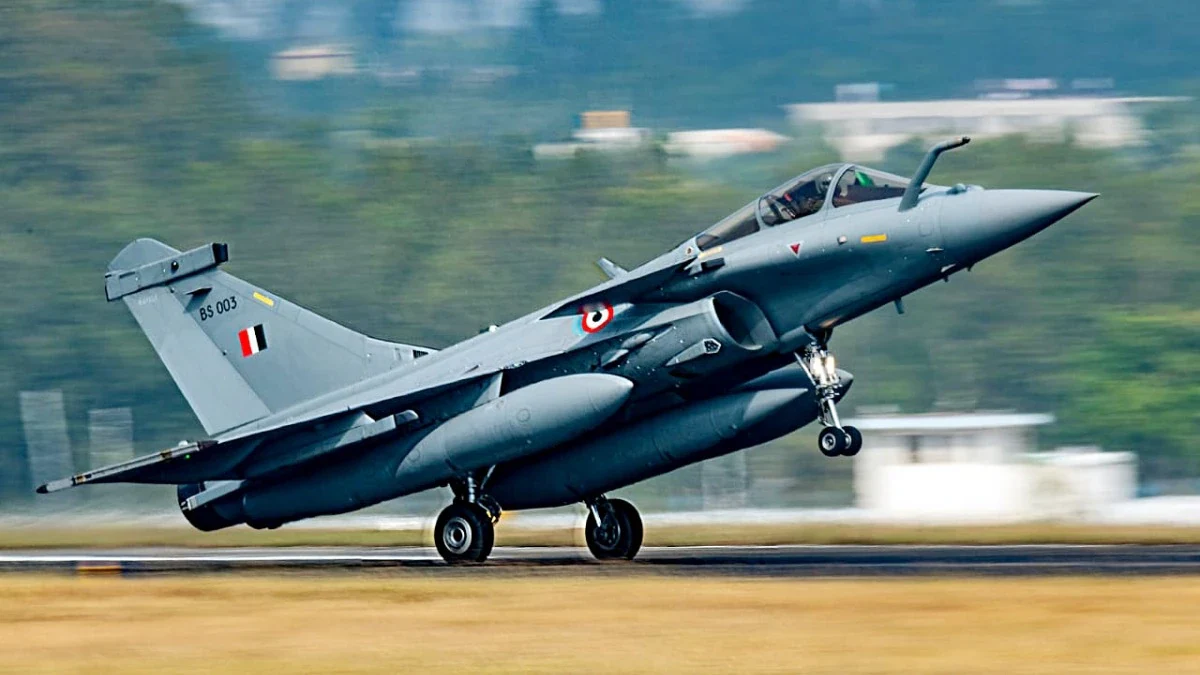
Rafale Fleet: IAF Has 32 Active Jets, Report Says

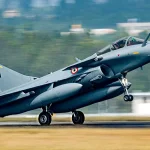
Rafale Fleet numbers in the Indian Air Force (IAF) have come under discussion after FlightGlobal’s 2027 World Air Forces directory estimated that India had 32 active Rafale fighter jets as of 20 November 2026. This figure is three fewer than the 35 aircraft listed in the previous edition of the directory.
However, the reported number is an external estimate and has not been officially confirmed by the Indian Air Force or the Ministry of Defence. The development has attracted attention because the Rafale is one of the most important fighter aircraft in India’s military aviation fleet.

The Ministry of Defence has questioned the figures published by FlightGlobal, stating that the information was not provided by the Ministry or the Indian Air Force. The directory has also not explained which aircraft were excluded from its active fleet count or why the number was revised.
FlightGlobal Reports 32 Active Rafale Fighter Jets
FlightGlobal publishes its World Air Forces directory to provide information about military aircraft fleets across different countries. Its 2027 edition has listed 32 active Rafale fighter jets with the Indian Air Force.
The previous edition had reported 35 active aircraft. The difference of three aircraft has raised questions about the availability and operational status of India’s Rafale fleet.
However, an aircraft being excluded from an active fleet estimate does not necessarily mean it has been destroyed or permanently removed from service. It could also be unavailable for operational duties because of maintenance, repairs or other reasons.
The report does not provide details about the status of individual aircraft. Therefore, the estimated figure should not be treated as an official confirmation of aircraft losses.
India Purchased 36 Rafale Fighter Aircraft
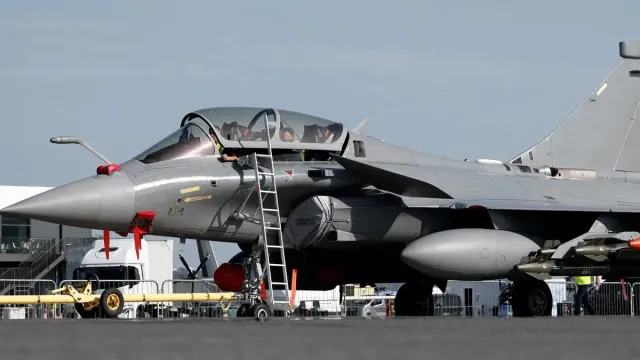
India signed an agreement with France to purchase 36 Rafale fighter aircraft for the Indian Air Force. The aircraft were manufactured by French aerospace company Dassault Aviation.
The Indian Rafale fleet includes two different versions:
- Rafale EH: India purchased 28 single-seat fighter aircraft under this variant.
- Rafale DH: India purchased eight two-seat fighter aircraft under this variant.
These aircraft were introduced to strengthen India’s air defence capabilities and improve its ability to carry out different military operations.
The Rafale is a multirole fighter aircraft designed to perform several missions, including air defence, ground attacks, reconnaissance and other specialised operations.
Ministry of Defence Questions the Report
The Ministry of Defence has raised concerns about the accuracy of the FlightGlobal estimate. According to the Ministry, the reported figures were not supplied by either the Ministry or the Indian Air Force.
This clarification is important because official information about military aircraft availability is not always publicly disclosed.
FlightGlobal has not explained the reasons behind the reduction from 35 to 32 active aircraft. It has also not identified the specific aircraft that were excluded from the latest count.
As a result, the exact operational strength of India’s Rafale fleet remains unclear from the published directory alone.
IAF Seeks Five-Month Bridge Support for Rafale Aircraft
Another important development related to India’s Rafale fleet took place on 15 June 2026. Air Headquarters sought a five-month bridge support arrangement covering all 36 Rafale fighter aircraft.
The support requirement was calculated using an estimated 150 flying hours per aircraft annually.
Such support arrangements are important for maintaining advanced fighter aircraft. They can include technical assistance, maintenance support, spare parts and other services required to keep aircraft available for military operations.
However, the request for support covering all 36 aircraft does not confirm that all 36 were operational at that time. It also does not establish the number of aircraft currently available for flying duties.
Rafale Aircraft and Operation Sindoor
The reported reduction in active Rafale numbers has also attracted attention because of Operation Sindoor, which took place in May 2025.
During the operation, the Indian Air Force acknowledged that aircraft losses had occurred. However, it did not publicly disclose the exact number or types of aircraft lost.
FlightGlobal’s lower Rafale estimate does not confirm that any Rafale fighter was among those losses. There is no official confirmation connecting the reported difference of three aircraft with Operation Sindoor.
The distinction between aircraft losses and aircraft availability is important when understanding military fleet reports. Fighter aircraft may be unavailable for several reasons, including maintenance, technical inspections and repairs.
What Makes the Rafale Fighter Aircraft Important?
The Rafale is a twin-engine multirole fighter developed by France’s Dassault Aviation. It uses a canard-delta wing design, which combines forward-mounted small wings called canards with a delta-shaped main wing.
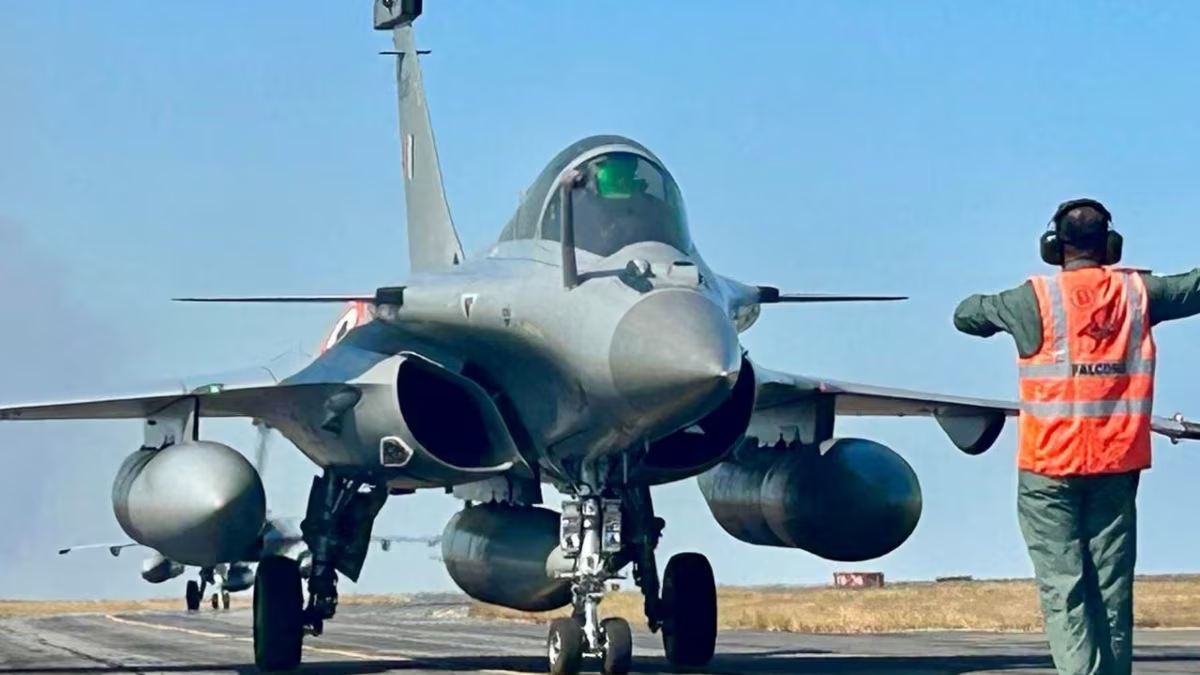
The aircraft is designed to perform multiple military missions. Its capabilities include air superiority, interception, ground attacks, reconnaissance and precision strikes.
The Rafale family has three main versions:
- Rafale C: A single-seat version designed for land-based operations.
- Rafale B: A two-seat version designed for land-based operations.
- Rafale M: A single-seat version developed for aircraft carrier operations.
Dassault Aviation describes the Rafale as an omnirole fighter because it can perform different types of missions during a single flight.
Importance of Rafale Aircraft for India’s Defence
The Rafale plays an important role in India’s efforts to modernise its air force. Advanced fighter aircraft are needed to protect national airspace and respond to changing security challenges.
India has also been focusing on strengthening domestic defence manufacturing under the Atmanirbhar Bharat initiative. The country is investing in indigenous fighter aircraft, radar systems, missiles and other defence technologies.
The development of the Tejas Light Combat Aircraft and the ongoing Advanced Medium Combat Aircraft programme reflects India’s efforts to increase domestic aerospace capabilities.
The discussion surrounding FlightGlobal’s Rafale estimate also highlights the importance of accurate information about military aircraft availability, maintenance and operational readiness.