



Kumik Heritage Village: Ladakh Gets Its First

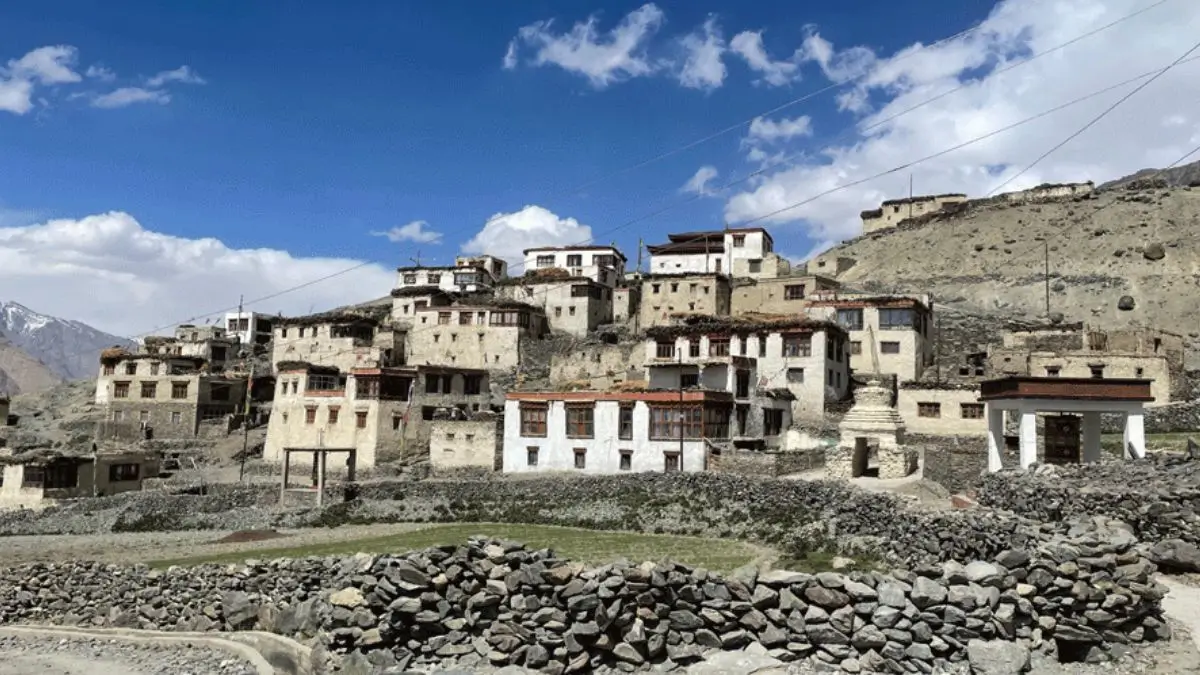
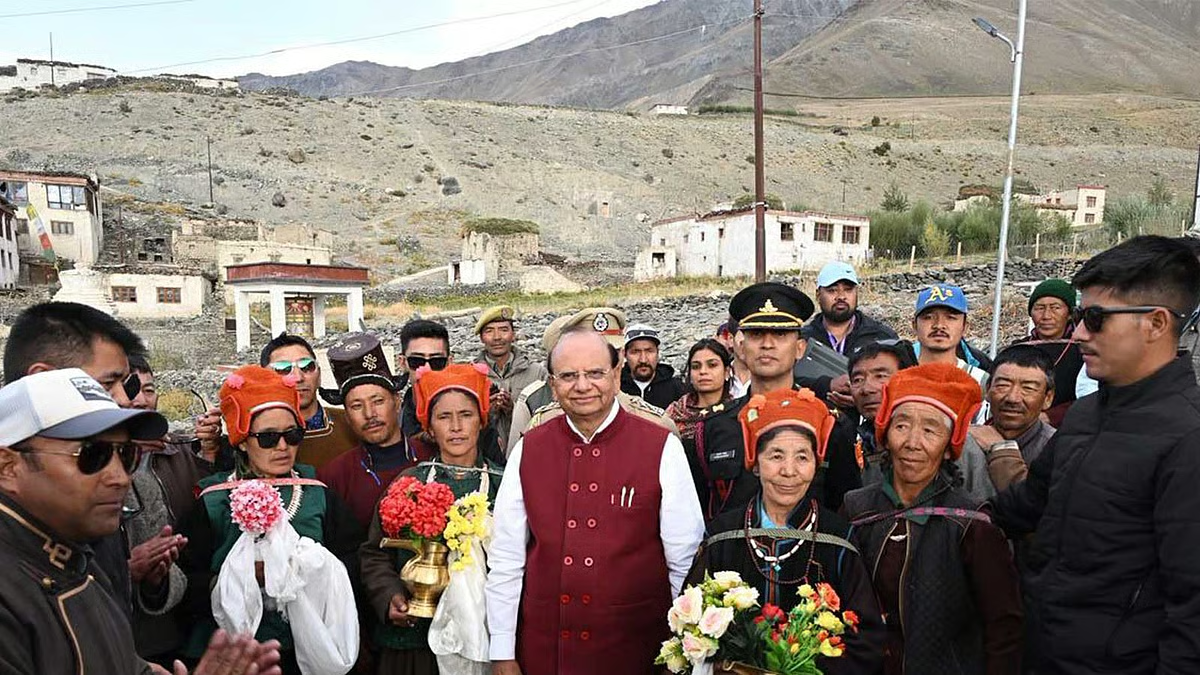
Kumik Heritage Village has become a new cultural landmark in Ladakh after Kumik village in Zanskar was declared the Union Territory’s first designated Heritage Village on September 15, 2026. Lieutenant Governor Vinai Kumar Saxena made the announcement during the inauguration of the 11th Ladakh Zanskar Festival 2026. The recognition focuses on Kumik’s traditional houses, sacred spaces, local practices and Buddhist heritage.
Thank you for reading this post, don't forget to subscribe!Kumik Gets Heritage Recognition
The designation of Kumik Heritage Village is aimed at recognising the settlement’s living cultural traditions rather than treating heritage only as old monuments. Kumik has preserved traditional architecture and cultural practices that reflect the distinctive lifestyle of communities living in the high-altitude Zanskar region.
The village is particularly known for its traditional houses, sacred spaces, agricultural practices and Buddhist traditions. Its heritage also includes Tibetan Buddhist textual traditions, including Kanjur manuscripts.
The recognition comes at a time when Ladakh is giving greater attention to cultural preservation alongside infrastructure development and local economic opportunities.
Zanskar Festival Provides the Setting
The declaration took place during the opening of the 11th Ladakh Zanskar Festival 2026, which was held at Sani on September 15 and 16. The festival was the first major edition held after Zanskar received district status earlier in 2026.
The Ladakh administration said the festival was designed to showcase Zanskar’s culture, identity, crafts and local products. It also included community participation and cultural activities.
The festival has also been included in Ladakh’s official tourism calendar. The administration has linked the event with opportunities in tourism, employment and the local economy while highlighting the need to preserve Zanskar’s cultural identity.
Traditional Architecture of Kumik
Kumik’s traditional buildings are an important part of its cultural character. Like other settlements in the high-altitude areas of Ladakh, the village has developed building practices suited to a cold and dry mountain environment.
Traditional Ladakhi construction commonly uses locally available materials such as earth, stone and wood. These materials and building techniques have been adapted over generations to the region’s climate.
The heritage recognition therefore covers more than individual structures. It draws attention to the relationship between the village’s architecture, local environment and community traditions.
Buddhist Manuscripts Add to Its Cultural Value
One of the distinctive features associated with Kumik is its Buddhist textual heritage. The village is known for preserving Kanjur manuscripts, which form part of the Tibetan Buddhist scriptural tradition.
The preservation of such manuscripts is important because they represent a long history of religious learning, scholarship and cultural transmission in the Himalayan region. Zanskar has historically been associated with monasteries, Buddhist learning and communities that maintained these traditions across generations.
The recognition of Kumik as a heritage village brings this lesser-known form of cultural heritage into greater public attention.
Zanskar’s New District Status
The announcement also comes during an important administrative change in the region. Zanskar became a separate district of Ladakh in April 2026, making the 2026 Zanskar Festival the first major edition after the new district status.
The Ladakh administration said the festival was significant because it brought together the region’s cultural identity and its new administrative status. The Lieutenant Governor described the district’s creation as more than an administrative change and connected it with the identity and aspirations of the people of Zanskar.
The new district structure has also brought greater attention to infrastructure, public services, connectivity and economic opportunities in the remote region.
Heritage and Local Economy
The Kumik Heritage Village designation is also connected with the wider idea of using cultural heritage to support local communities. Heritage tourism can create opportunities for local guides, artisans, traditional food producers and cultural performers while encouraging the preservation of historic settlements.
The Ladakh administration has highlighted Zanskar’s monasteries, mountains, rivers, trekking routes, traditional practices and local culture as areas with tourism potential. The Zanskar Festival itself promotes local artists, crafts and cultural activities.
However, increased tourism in a fragile high-altitude environment also makes careful planning important. Protecting traditional buildings and local customs while improving infrastructure can help ensure that economic development does not weaken the heritage being promoted.
“Vikas Bhi, Virasat Bhi”
The heritage declaration has been presented by the Ladakh administration in the context of the broader “Vikas Bhi, Virasat Bhi” approach, which links development with cultural preservation. The idea is to improve infrastructure and economic opportunities while also protecting cultural assets and local traditions.
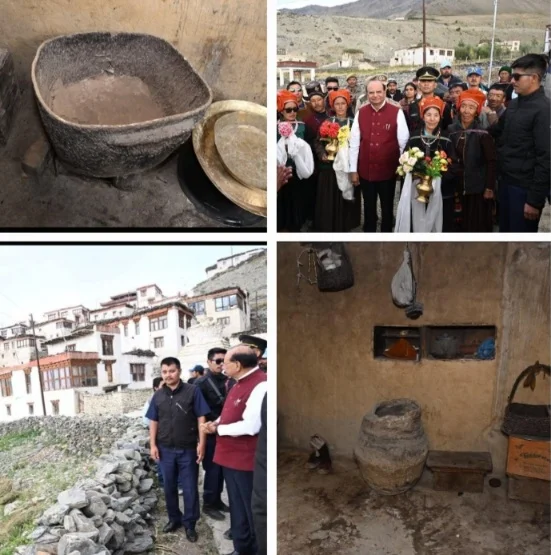
For Kumik, this means that recognition as a Heritage Village can bring greater attention to its architecture, manuscripts, religious traditions and community practices.
The Ladakh administration’s focus on cultural preservation has also extended to other initiatives in 2026, including events focused on wildlife conservation and sustainable local livelihoods.
Cultural Preservation in a Changing Zanskar
The Kumik Heritage Village designation comes as Zanskar experiences changes in connectivity, administration and tourism. The challenge for local authorities will be to balance these developments with the protection of the village’s traditional character.
The two-day Zanskar Festival concluded on September 16 with cultural performances, local music and recognition of artists and contributors. The administration said the event helped showcase Zanskar’s cultural identity and highlighted opportunities for cultural, adventure and sustainable tourism.
Kumik’s new status places its traditional architecture, Buddhist heritage and living community traditions within this wider effort to preserve Zanskar’s cultural identity while the region develops as a new district.