




Vikram-1 Second Flight Gets Four-Company Partnership

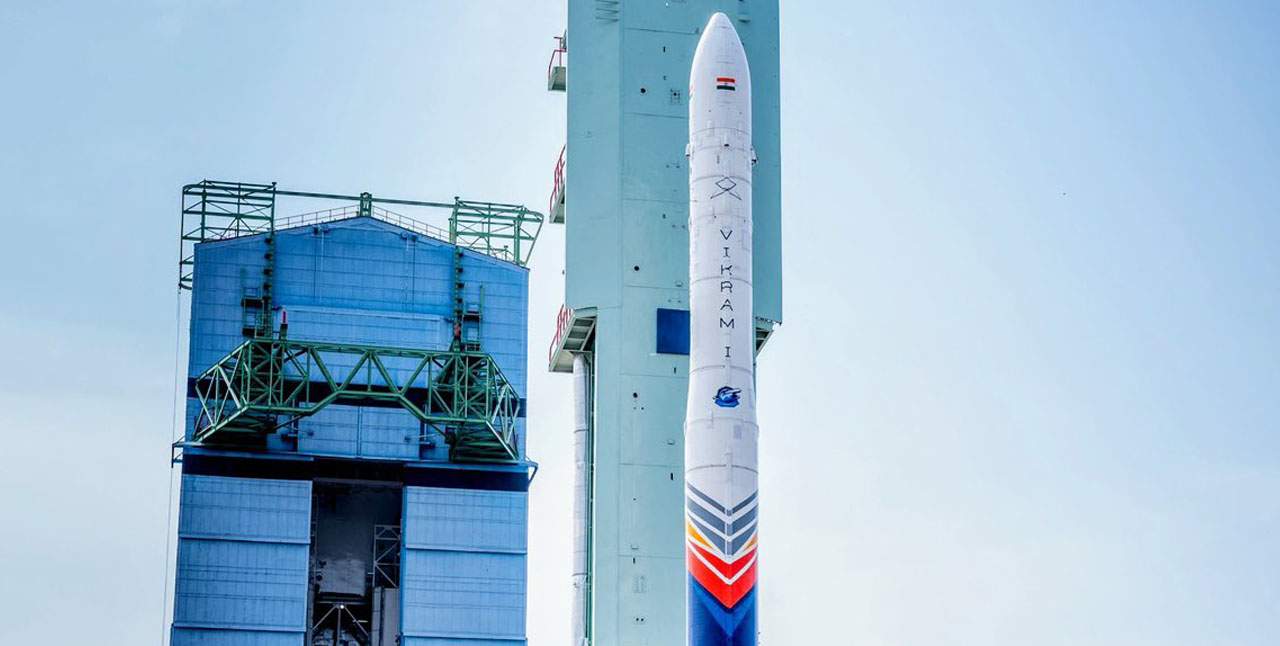
Vikram-1 Second Flight is gaining attention as four space companies have joined hands to support the planned second orbital mission of India’s private launch vehicle. On 18 November 2026, Hyderabad-based Skyroot Aerospace announced a partnership with OhmSpace, Exolaunch and HEX20. The announcement was made at Space Tech Expo Europe 2026 in Bremen, Germany.
The partnership brings together companies working in different areas of space technology, including rocket development, satellite manufacturing, satellite deployment and in-space propulsion. The mission will carry two small satellites into orbit and will also demonstrate a new propulsion technology.

This collaboration highlights the growing role of private companies in India’s space industry. It also shows how Indian and international space organisations are working together to develop new technologies and expand access to space.
Four Companies Join Hands for Vikram-1 Second Flight
The partnership involves four companies, each responsible for a different part of the planned mission.
Skyroot Aerospace will provide its Vikram-1 launch vehicle and a 4U SCOPE satellite. The company is based in Hyderabad and is developing private launch vehicles to support satellite launches.
HEX20, a space technology company based in Thiruvananthapuram, will provide another 4U satellite named NILA III. The satellite will carry a special propulsion system for an in-orbit technology demonstration.
Exolaunch, a Germany-based space transportation and satellite deployment company, will supply an 8U deployer. This equipment will help release both satellites into their planned orbits after the rocket reaches space.
OhmSpace, an Italian company, will provide a high-temperature resistojet propulsion system for the NILA III satellite. The technology will be tested in space to demonstrate its performance.
Two Satellites to Be Deployed in Orbit
The planned Vikram-1 mission will carry two small satellites, SCOPE and NILA III. Both satellites belong to the 4U CubeSat category, which is a type of small satellite designed for different space-based applications.
Skyroot’s SCOPE satellite will be part of the mission’s payload. HEX20’s NILA III satellite will carry the high-temperature resistojet developed by OhmSpace.
The 8U deployer supplied by Exolaunch will be responsible for releasing the two satellites into orbit. Satellite deployers are important because they provide a controlled and safe method of separating small satellites from the launch vehicle.
This arrangement will allow the companies to demonstrate their technologies through a single orbital mission.
OhmSpace to Demonstrate Resistojet Technology
One of the major technology highlights of the mission is the resistojet propulsion system developed by OhmSpace.
A resistojet is a type of electric propulsion system used by satellites. It works by heating a propellant with electrical energy before releasing it through a nozzle. The expanding gas produces thrust and helps the satellite adjust its movement in space.
Unlike a traditional cold-gas thruster, which releases gas without heating it, a resistojet uses additional heat to improve propulsion efficiency.
The technology demonstration aboard NILA III will help test the system under actual space conditions. Such propulsion systems can support satellite movement, orbit adjustments and other operations during a spacecraft’s lifetime.
Exolaunch to Make Its First Vikram-1 Mission Partnership
Exolaunch will play an important role by providing the satellite deployment system and coordinating payload integration.
According to HEX20 CEO Amal Chandran, NILA III was initially planned to fly on a SpaceX Transporter mission through Exolaunch. However, the satellite was later moved to the Vikram-1 mission.
Exolaunch Chief Revenue Officer Kier Fortier stated that the integration process was completed within two months of the initial discussions.
The mission will also mark Exolaunch’s first launch aboard Skyroot’s Vikram-1 rocket. This partnership creates an opportunity for the German company to work with India’s growing private launch industry.
Vikram-1’s First Orbital Flight
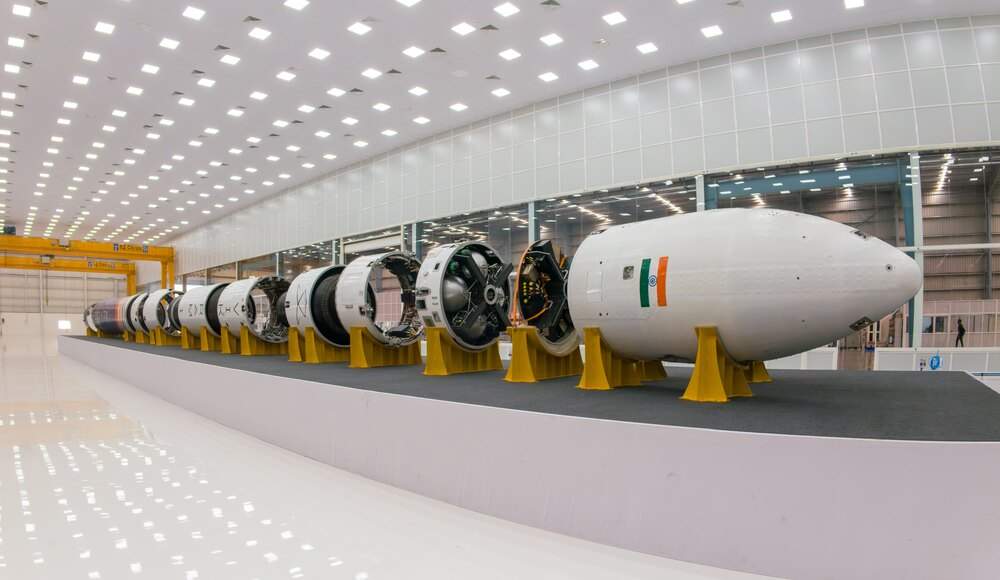
Skyroot Aerospace’s Vikram-1 is an important development in India’s private space sector. The company is working to provide launch services for small satellites and other commercial space missions.
According to the information provided by ISRO, Vikram-1 successfully completed its maiden orbital flight from the Satish Dhawan Space Centre in Sriharikota on 18 July 2026.
The success of the first flight marked an important step for the company’s launch vehicle programme. The planned second flight will carry additional payloads and demonstrate cooperation between multiple space technology companies.
However, no official launch date for the second flight has been announced as of 20 November 2026.
India’s Growing Private Space Industry
India’s private space sector has expanded following the introduction of the Indian Space Policy 2023. The policy created more opportunities for private companies to participate in activities such as satellite manufacturing, launch vehicle development and space-based services.
The Indian National Space Promotion and Authorisation Centre (IN-SPACe) plays an important role in supporting and authorising private space activities in the country.
Companies such as Skyroot Aerospace are developing launch technologies that can support India’s growing demand for satellite deployment. International partnerships also help Indian companies access new technologies, customers and global space markets.
The Vikram-1 Second Flight partnership reflects this growing cooperation between Indian and international space companies. It brings together rocket technology, satellite development, deployment systems and advanced propulsion research in one planned mission.