


AI in Education: How Artificial Intelligence Is Changing the Education System

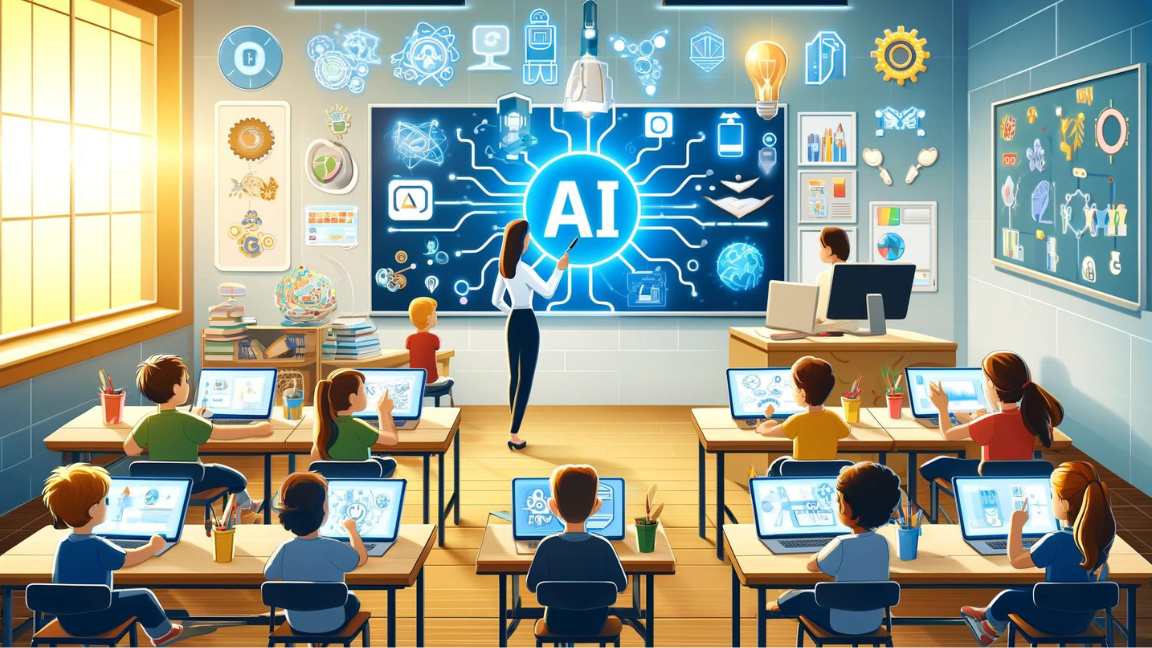
AI in Education is changing the way students learn, teachers teach and educational institutions manage their daily activities. Artificial Intelligence (AI) is becoming an important part of modern education. From personalised learning platforms to AI-powered study assistants, technology is creating new opportunities for students and teachers.
In the past, students mostly depended on textbooks, classroom lessons and teachers to understand different subjects. Today, AI-powered tools can explain difficult topics, answer questions, provide practice exercises and help students learn at their own speed. Teachers can also use these tools to prepare lessons, check assignments and understand students’ learning needs.

As technology continues to develop, Artificial Intelligence is becoming an important part of the education system. However, it also brings challenges related to academic honesty, data privacy and the role of teachers.
What Is Artificial Intelligence in Education?
Artificial Intelligence in education refers to the use of computer systems and software that can perform tasks that usually require human intelligence. These tasks include understanding language, recognising patterns, analysing information and generating responses.
In education, AI can support both teaching and learning activities. For example, an AI-powered learning platform can identify which topics a student finds difficult and recommend additional lessons or practice questions.
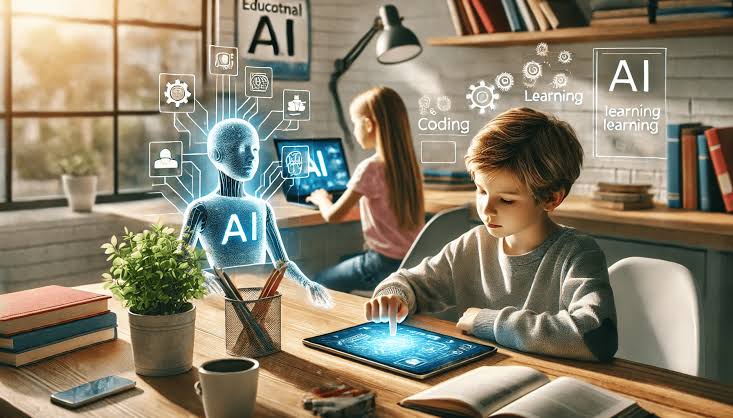
Some common examples of AI applications in education include:
- AI-powered chatbots that answer students’ questions.
- Personalised learning platforms that adjust lessons according to student progress.
- Speech recognition tools that help with language learning.
- Automated systems that assist with checking assignments.
- AI tools that help teachers prepare study materials.
- Educational applications that provide instant feedback.
These technologies are making digital learning more interactive and accessible.
Personalised Learning for Every Student
One of the biggest changes brought by AI in education is personalised learning. In a traditional classroom, teachers often follow the same lesson plan for all students. However, every student has different learning abilities, interests and difficulties.
AI-powered learning platforms can analyse a student’s performance, identify weak areas and suggest suitable learning activities.
For example, if a student finds mathematics difficult, an AI-based platform may recommend additional exercises, simpler explanations and step-by-step solutions. Another student who understands the topic quickly may receive more advanced questions.
This approach allows students to learn at their own pace. It can also help them understand difficult subjects without feeling pressured to follow the same speed as everyone else.
AI-Powered Learning Assistants
Students often have questions while studying at home or preparing assignments. In traditional learning, they may need to wait until the next class to ask their teachers.

AI-powered learning assistants can provide support whenever students need it. Tools such as ChatGPT and other educational AI applications can explain concepts, summarise information, generate practice questions and help students understand complex topics.
For example, a student studying science can ask an AI assistant to explain photosynthesis in simple language. A language learner can practise grammar, improve vocabulary and receive suggestions for better sentence formation.
However, students should not depend entirely on AI-generated answers. AI tools can sometimes provide incorrect or misleading information. Students should verify important facts using textbooks, teachers and reliable educational sources.
Supporting Teachers in the Classroom
Artificial Intelligence is not only useful for students. It can also help teachers manage their responsibilities more efficiently.
Teachers spend considerable time preparing lesson plans, creating question papers, checking assignments and organising learning materials. AI tools can assist with some of these activities.
For example, teachers can use AI to prepare classroom activities, generate questions for practice tests and create explanations for difficult topics. Some automated systems can also help assess objective-type questions and provide feedback.
AI can analyse student performance and highlight areas where additional classroom support may be required.
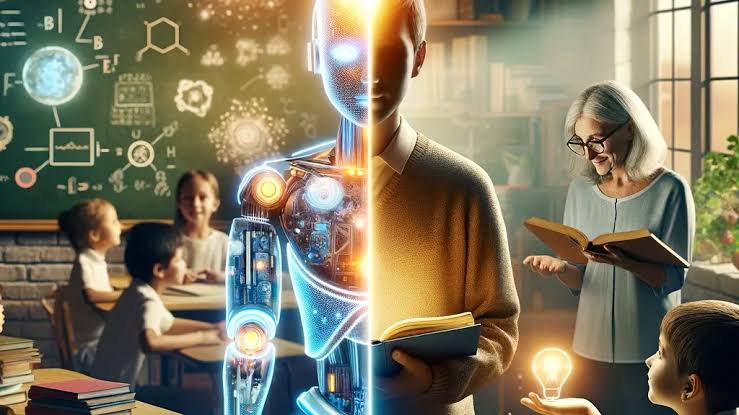
This does not mean that AI will replace teachers. Teachers play an important role in guiding students, encouraging creativity, developing communication skills and understanding emotional needs. AI can support their work, but human guidance remains essential.
Making Education More Accessible
AI is creating new opportunities for students who face difficulties accessing traditional educational resources.
Students living in remote areas may not always have access to experienced teachers, libraries or quality learning materials. Digital learning platforms and AI-powered educational tools can help provide additional learning support through internet-connected devices.
AI also has the potential to make education more accessible for students with disabilities.
For example:
- Speech-to-text technology can convert spoken words into written text.
- Text-to-speech tools can read digital content aloud.
- Automatic captions can help students understand spoken lessons.
- Translation tools can help learners understand educational content in different languages.
- AI-based accessibility features can support students with certain reading and communication difficulties.
These developments can make learning more flexible and inclusive, although access to suitable devices, reliable internet and local-language resources remains important.
The Role of AI in Online Education
Online education has grown significantly with the development of digital technology. AI is making online learning platforms more interactive and responsive.
Many digital learning platforms use AI-based systems to recommend courses, suggest lessons and track student progress.
For example, when students complete an online course, the platform may analyse their performance and recommend additional learning materials based on their results.
AI can also support virtual classrooms by helping organise learning activities, answer common questions and provide automated feedback.
This allows students to access learning resources from different locations and manage their study schedules more flexibly.
AI and the Future of Examinations
Artificial Intelligence is also changing how educational institutions conduct assessments.
Traditional examinations mainly focus on testing students through written papers and objective questions. AI-powered educational systems can offer additional ways to evaluate learning progress.
For example, some platforms can automatically check multiple-choice questions, analyse quiz results and identify topics where students need improvement.
AI-assisted assessment tools may also help teachers organise assignments and provide feedback more quickly.
However, automated evaluation has limitations. Assessing creativity, critical thinking, personal expression and complex written answers requires careful human judgement. AI-based assessment systems must also be checked for accuracy and fairness.
Challenges of Using Artificial Intelligence in Education
Although AI offers many benefits, its use in education also creates several challenges.
Dependence on AI Tools
Students may become overly dependent on AI for homework, assignments and problem-solving. If they simply copy generated answers, they may miss opportunities to develop independent thinking and research skills.
Incorrect Information
AI systems can sometimes generate information that sounds correct but contains mistakes. Students and teachers must verify important information before using it.
Data Privacy and Security
Educational platforms may collect information about students, including their learning activities and performance. Institutions must protect this information and ensure that personal data is handled responsibly.
Digital Divide
Not every student has access to a computer, smartphone or reliable internet connection. This creates a gap between students who can use digital learning tools and those who cannot.
Academic Honesty
AI-generated content can create difficulties in checking whether students have completed their work independently. Schools and colleges need clear guidelines about the acceptable use of AI in assignments and examinations.
Important Skills Students Need in the AI Era
As Artificial Intelligence becomes more common, students need to develop skills that help them use technology responsibly.
Some important skills include:
- Critical Thinking: Students should learn to question information and check whether it is accurate.
- Problem-Solving: Understanding how to solve problems independently will remain important.
- Digital Literacy: Students should know how to use digital tools safely and effectively.
- Creativity: Developing original ideas and finding new solutions will continue to be valuable.
- Communication: Good speaking, writing and teamwork skills are important in every field.
- AI Awareness: Students should understand how AI works, its limitations and its responsible use.
Learning these skills can help students prepare for a future where technology and human abilities work together.
The Future of Artificial Intelligence in Education
The future of education is likely to involve greater cooperation between teachers, students and intelligent technologies. AI-powered learning platforms may become more personalised, interactive and capable of supporting different learning requirements.
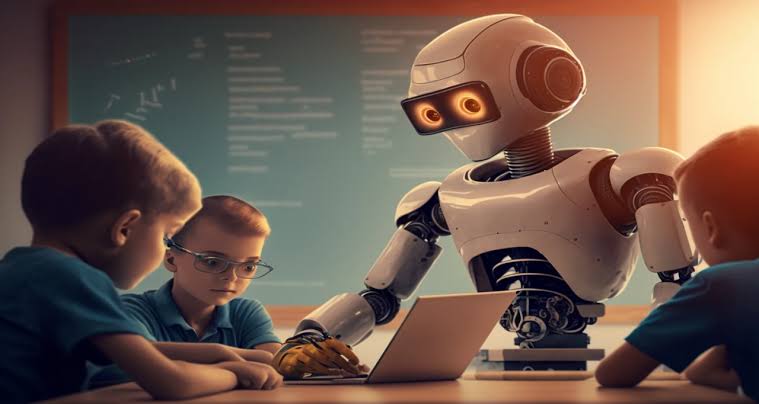
Educational institutions may increasingly use AI to understand student progress, improve teaching materials and manage academic activities. Virtual learning environments, language-processing tools and intelligent tutoring systems may also become more common.
However, technology alone cannot solve every educational problem. Quality education also depends on good teachers, proper infrastructure, equal opportunities and a supportive learning environment.
The most effective education system will be one that uses AI as a supporting tool while keeping human knowledge, creativity and understanding at its centre.
Conclusion
Artificial Intelligence is bringing major changes to the education system. It is helping students access personalised learning, supporting teachers with classroom activities and making educational resources more accessible.
At the same time, challenges such as incorrect information, data privacy, academic dishonesty and unequal access must be addressed carefully.
AI should not be treated as a replacement for teachers or independent learning. Instead, it should be used as a tool that improves the learning experience. When combined with responsible teaching and proper guidance, Artificial Intelligence can help create a more flexible, inclusive and effective education system.
Frequently Asked Questions (FAQs)
1. What is AI in Education?
AI in Education refers to the use of Artificial Intelligence technologies to improve teaching, learning, assessment and educational management.
2. How is Artificial Intelligence changing the education system?
AI is changing education by providing personalised learning, AI-powered study assistants, automated assessments, interactive lessons and better access to educational resources.
3. How does AI help students learn better?
AI helps students understand difficult topics, practise questions, improve their skills and receive learning suggestions based on their performance.
4. Can Artificial Intelligence replace teachers?
No. AI can support teachers with lesson planning, assessments and learning activities, but it cannot fully replace human guidance, emotional understanding and classroom interaction.
5. What are some examples of AI tools used in education?
Examples include ChatGPT, Google Gemini, Microsoft Copilot, Grammarly and AI-powered educational platforms.
6. What are the disadvantages of AI in education?
Some major disadvantages include overdependence on technology, incorrect information, data privacy concerns, academic dishonesty and unequal access to digital resources.
7. How does AI support students with disabilities?
AI supports students through speech-to-text, text-to-speech, automatic captions, translation and other accessibility features.
8. What is the future of AI in education?
AI is expected to make education more personalised, interactive and accessible while helping teachers understand students’ learning needs and improve classroom activities.