


Education for Girls in Rural Areas

Education for Girls in Rural Areas is important for building a better society and creating equal opportunities for everyone. Education helps girls gain knowledge, develop skills, become independent and achieve their dreams. However, many girls in rural India still face difficulties in continuing their education because of poverty, long distances to schools, family responsibilities and a lack of proper facilities.
Educating girls is not only about teaching them to read and write. It also helps families improve their living conditions, supports women’s empowerment and contributes to the development of rural communities. Every girl deserves the opportunity to attend school, complete her education and build a successful future.

Importance of Education for Girls in Rural Areas
Education plays an important role in improving the lives of girls and their families. When girls receive a good education, they gain the confidence to make informed decisions and participate in society.
The following are some major benefits of girls’ education.
- Women empowerment: Education helps girls understand their rights and become more independent.
- Better employment: Educated girls can pursue careers in teaching, healthcare, technology, business and other fields.
- Improved family health: Education helps women understand nutrition, hygiene, healthcare and child development.
- Reduced poverty: Educated women can earn money, support their families and contribute to the local economy.
- Social equality: Education helps challenge discrimination and promotes equal opportunities for boys and girls.
Therefore, Education for Girls in Rural Areas is an important step towards building a fair and developed society.
Major Challenges Faced by Rural Girls
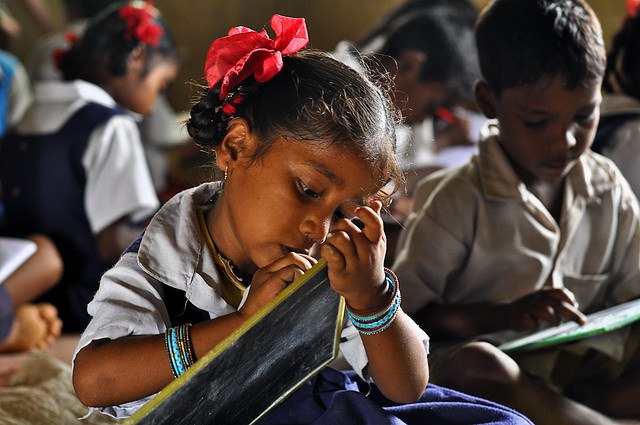
Although education is important, many girls in rural areas face challenges that prevent them from attending school regularly or completing their studies.
1. Poverty and Financial Problems
Poverty is one of the major barriers to girls’ education. Some families struggle to pay for uniforms, books, transportation and other school expenses. In difficult situations, parents may ask their daughters to help with household work instead of attending school.
Scholarships, free textbooks and financial assistance can help reduce these difficulties.
2. Long Distance to Schools
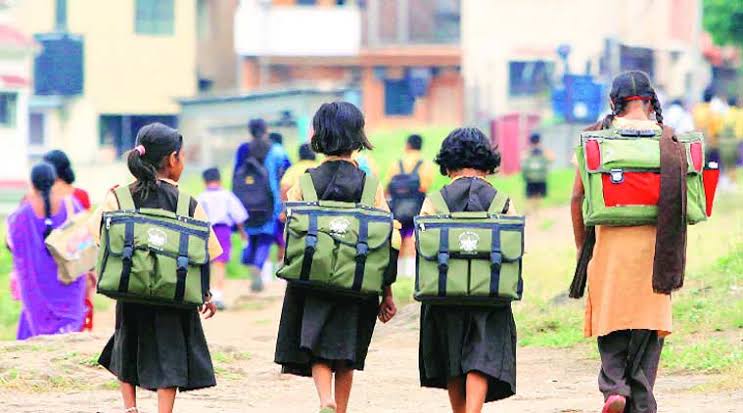
In some villages, secondary schools and colleges are located far from students’ homes. Girls may have to travel long distances on foot or depend on limited public transport. Safety concerns can also discourage parents from allowing their daughters to continue studying.
Building schools closer to villages and providing safe transportation can help address this problem.
3. Early Marriage
Early marriage can interrupt a girl’s education and reduce her future opportunities. Some families may believe that girls do not need higher education. Awareness programmes can help parents understand the importance of education and the value of allowing their daughters to complete their studies.
4. Lack of Proper School Facilities
Some rural schools face shortages of classrooms, teachers, libraries, computers and clean drinking water. The absence of separate, clean toilets for girls can also affect attendance, particularly during adolescence.
Improving school facilities is necessary to create a safe and comfortable learning environment.
5. Household Responsibilities
Many rural girls help their families with cooking, cleaning, caring for younger children and agricultural work. These responsibilities may leave them with little time for homework and school activities.
Families should share household responsibilities fairly so that girls have enough time to study.
How Education Changes Girls’ Lives
Education gives girls the knowledge and skills needed to make better choices about their futures. An educated girl can become a teacher, nurse, doctor, engineer, entrepreneur or government employee.
Education also helps girls understand their legal rights, access public services and participate in community decisions.
For example, a girl from a rural village who completes her education and becomes a nurse can earn an income, support her parents and provide healthcare services to others. Her success may also inspire other girls in her village to continue their studies.
The benefits can reach future generations, too. Educated mothers often have more opportunities to support their children’s learning and understand their health and nutritional needs.
Role of Government and Educational Organisations
Governments, schools and non-governmental organisations (NGOs) can work together to improve access to education for rural girls.
Some important measures include:
- Scholarships and financial assistance: Help girls from low-income families pay for educational expenses.
- Free textbooks and uniforms: Reduce the cost of attending school.
- Better school infrastructure: Provide clean toilets, drinking water, libraries and safe classrooms.
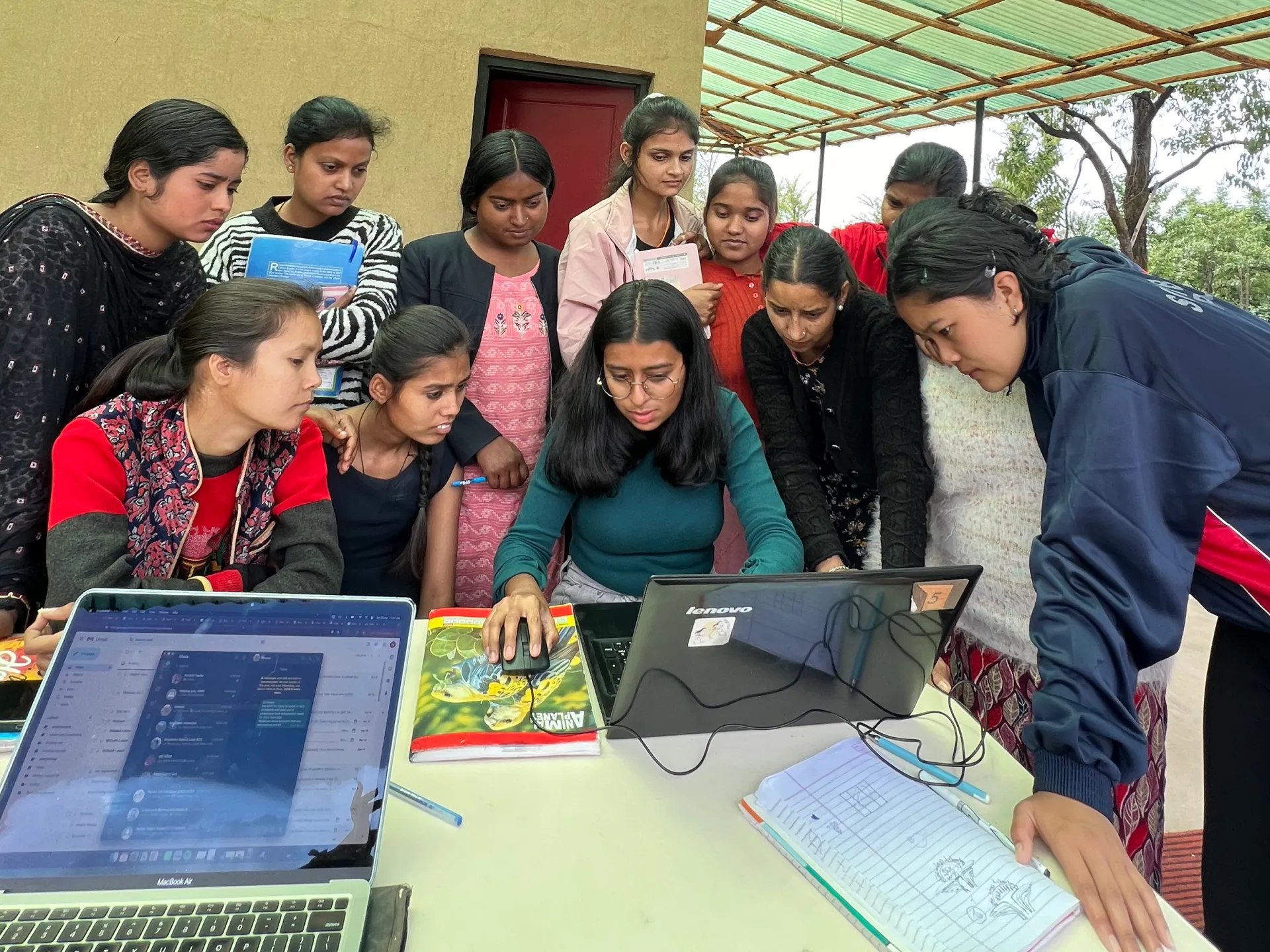
- Digital education: Use computers, smartphones and online learning resources where internet access is available.
- Career guidance: Help girls understand different career options and plan for higher education.
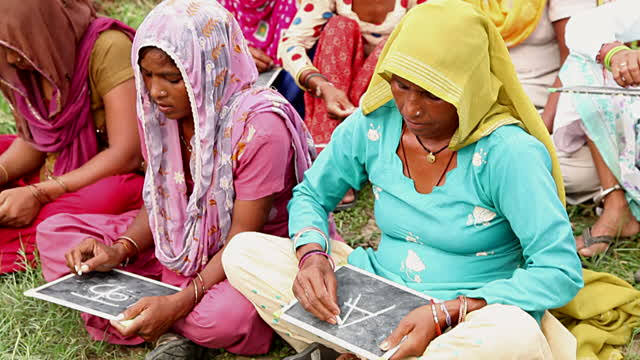
- Adult literacy programmes: Give women and girls who missed formal schooling another chance to learn.
Organisations such as UNESCO, UN Women and other development groups support initiatives related to girls’ education, women’s literacy and skills training. Such efforts can help rural women access education, employment and useful information.
Role of Families, Teachers and Communities
Families play the first and most important role in encouraging girls to study. Parents should support their daughters’ education just as they support their sons. They should also give girls enough time to complete homework and prepare for examinations.
Teachers can make learning more interesting by providing individual support, encouraging questions and helping students who struggle with particular subjects. Female teachers can also serve as positive role models for young girls.
Communities can organise awareness programmes, support school enrolment and help identify girls who are at risk of dropping out. Local leaders, volunteers and NGOs can work together to provide educational materials and mentoring.
When families, schools and communities work together, more girls can continue their education and achieve their goals.
BrightHer Tomorrow Project and Support for Rural Girls
The BrightHer Tomorrow Project by Traceable Giving Foundation is one example of an initiative described in the information provided for supporting girls from underprivileged rural backgrounds.
The project aims to support deserving girls through scholarships, school uniforms and books. It also offers mentorship and career guidance to help them continue their education and understand future opportunities.
Such initiatives can reduce financial pressure on families and help girls remain in school. Support from donors, volunteers and local organisations can make educational opportunities more accessible to students who need assistance.
Similar programmes can create a positive impact when they focus on the long-term educational needs of girls and help them complete their schooling.
Practical Ways to Improve Girls’ Education
Education for Girls in Rural Areas can be improved through practical steps taken by families, governments, schools and communities.
- Build accessible schools and improve transportation facilities.
- Provide scholarships and learning materials to girls from poor families.
- Ensure schools have clean toilets, safe classrooms and drinking water.
- Create awareness about the importance of girls’ education.
- Offer digital learning facilities and vocational training.
- Provide career counselling and mentorship for secondary school students.
- Encourage parents to share household responsibilities fairly.
- Help girls who have dropped out return to education through suitable learning programmes.
These measures can help girls gain knowledge, develop confidence and prepare for better employment opportunities.
Conclusion
Education for Girls in Rural Areas is essential for reducing poverty, improving family health and creating a society where everyone has equal opportunities. Although rural girls face challenges such as poverty, long distances, early marriage and inadequate school facilities, these barriers can be reduced through collective efforts.
Every girl deserves the chance to learn, grow and achieve her dreams. By supporting girls’ education, families, governments, schools and communities can help build a brighter future for the next generation.
Frequently Asked Questions (FAQs)
1. What is Education for Girls in Rural Areas?
Education for Girls in Rural Areas means providing girls living in villages and remote communities with equal access to primary, secondary and higher education, along with the resources needed to succeed.
2. Why is girls’ education important in rural India?
It helps reduce poverty, improve health awareness, create employment opportunities, promote gender equality and support the development of rural communities.
3. What are the main barriers to rural girls’ education?
The main barriers include poverty, long distances to schools, unsafe transportation, early marriage, household responsibilities and a lack of proper school facilities.
4. How does girls’ education help reduce poverty?
Education helps girls gain skills and qualifications for employment or entrepreneurship. Their earnings can support their families and improve their living conditions.
5. How can parents support their daughters’ education?
Parents can encourage regular school attendance, provide time for studying, share household responsibilities fairly and support their daughters’ educational and career goals.
6. What role can NGOs play in girls’ education?
NGOs can provide scholarships, books, uniforms, mentoring, career guidance, digital learning resources and awareness programmes for families.
7. How can technology improve rural girls’ education?
Technology can provide access to online lessons, digital libraries, educational videos and skill-development courses, especially where specialised teachers or learning resources are limited.
8. What is the main goal of Education for Girls in Rural Areas?
The main goal is to ensure that every girl can access quality education, complete her studies, develop useful skills and enjoy equal opportunities to build an independent and successful future.