


Artificial Intelligence Become Every Student’s Personal Teacher?

Artificial Intelligence Become Every Student’s Personal Teacher? This is an important question as technology continues to change the way students learn. Artificial Intelligence (AI) is helping students understand difficult subjects, solve problems, practise new skills and receive quick feedback. With AI-powered learning tools, students can study at their own speed and get explanations based on their individual needs.
In traditional classrooms, one teacher may have to teach many students at the same time. Every student learns differently, and some need more time or extra support to understand a topic. AI can help address this problem by offering personalised learning experiences. However, can AI replace human teachers completely, or should it work alongside them? Let us explore the benefits, challenges and future of AI in education.

What Is Artificial Intelligence in Education?
Artificial Intelligence in education means using computer systems and digital tools to support teaching and learning. These systems can answer questions, explain concepts, create practice exercises and help students identify their learning difficulties.
For example, a student who struggles with mathematics can ask an AI tool to explain a difficult formula step by step. Another student who wants to improve English can practise grammar, vocabulary and sentence formation.
AI can also adjust the difficulty of questions according to a student’s progress. This makes learning more flexible and allows students to revise topics whenever they need help.
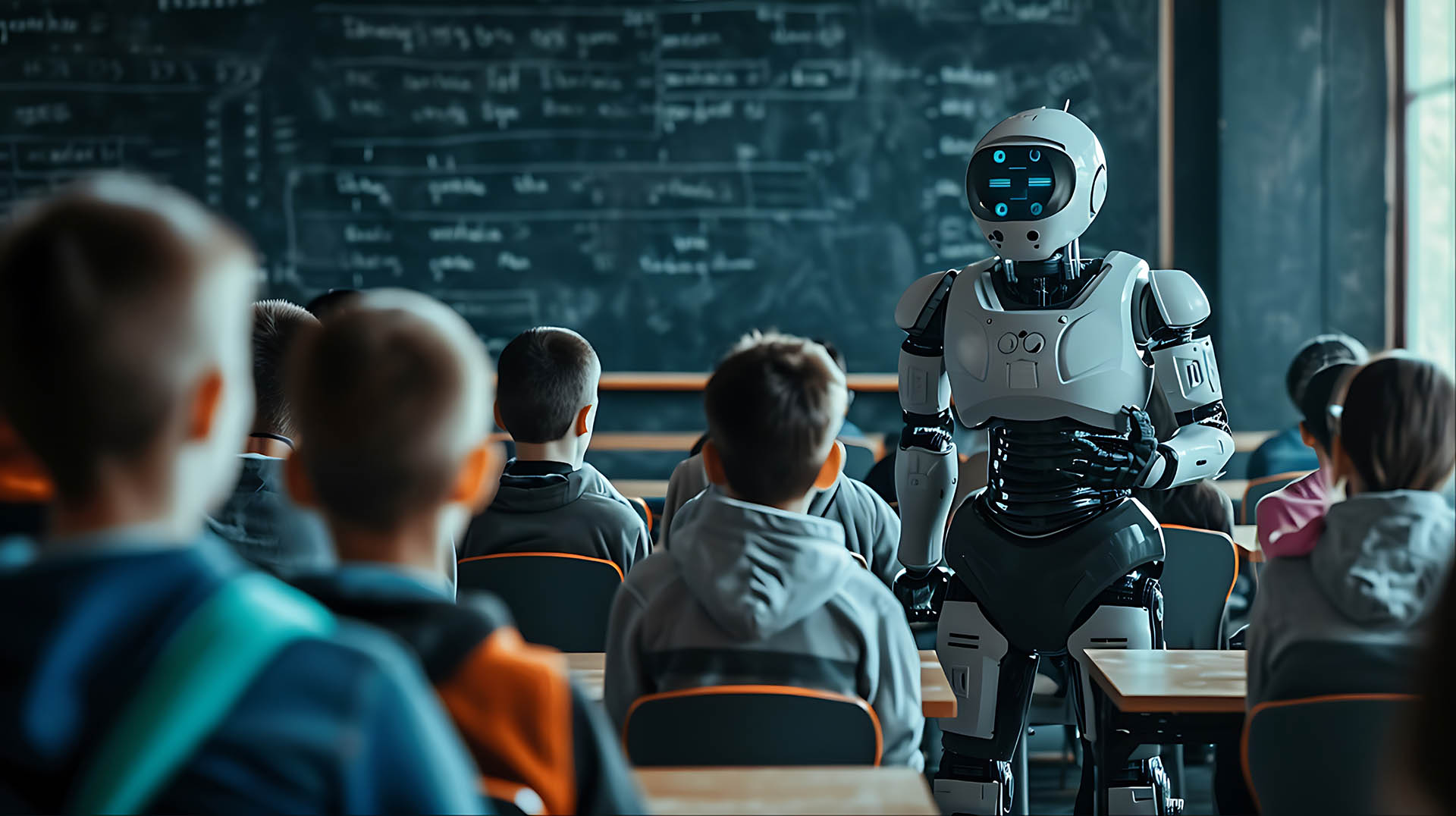
How Can AI Become a Personal Teacher?
AI can act like a personal learning assistant by offering support according to each student’s needs.
1. Personalised Learning
Every student has different strengths and weaknesses. AI can suggest lessons, exercises and learning materials based on a student’s current level. Students who understand a topic quickly can move forward, while others can spend more time practising.
2. Instant Answers and Feedback
Students do not always have to wait for the next classroom session to clear their doubts. AI can explain concepts, identify mistakes and suggest ways to improve. However, students should verify important answers because AI can sometimes provide incorrect information.
3. Learning at Any Time
An AI learning tool can be available outside school hours, depending on internet access and the service being used. Students can revise lessons in the evening, practise before examinations or review topics they missed in class.
4. Support for Different Learning Needs
AI can help prepare simpler explanations, translated materials, reading exercises and different types of practice questions. These features may support students who speak different languages or need additional learning assistance.
Benefits of AI as a Personal Teacher
Can Artificial Intelligence Become Every Student’s Personal Teacher in a way that improves education? AI offers several possible benefits when it is used carefully.
- Individual attention: Students can receive explanations suited to their learning needs.
- Affordable learning support: Free or low-cost AI tools may provide additional help to students who cannot afford private tuition.
- Better examination preparation: AI can generate quizzes, practice questions and revision plans.
- Improved confidence: Students can ask questions repeatedly without feeling embarrassed.
- Support for teachers: AI can help teachers prepare lesson plans, worksheets and learning activities.
- Language assistance: Students can receive explanations or translations in languages they understand.
These benefits could be especially useful for students in rural areas where access to specialised teachers and coaching centres may be limited. However, they depend on reliable electricity, suitable devices, internet access and the quality of the AI tools available.
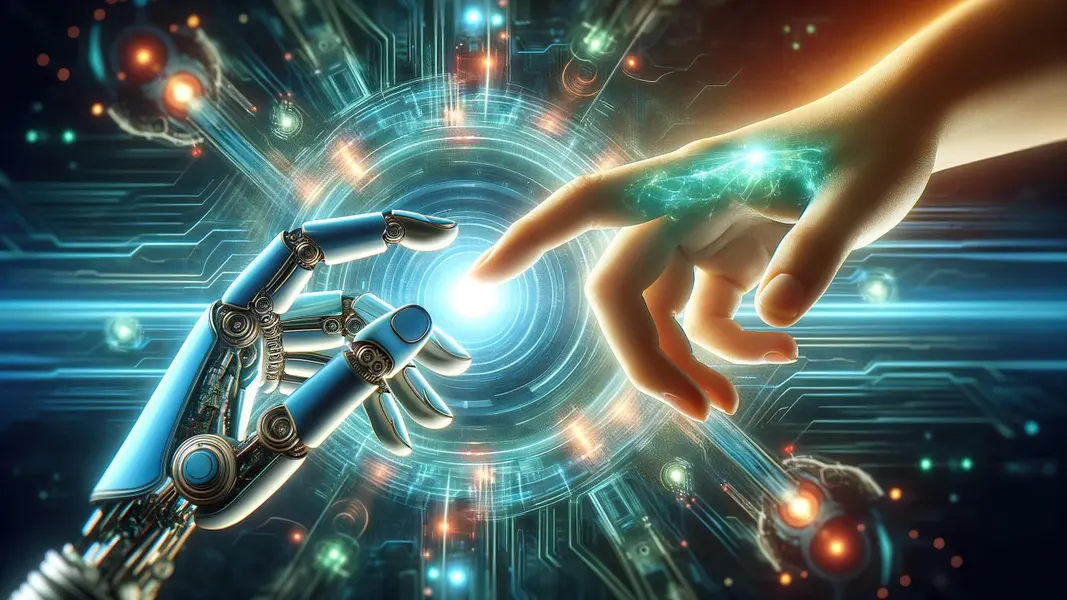
Can AI Replace Human Teachers?
Although AI can perform many teaching-related tasks, replacing human teachers completely would be a mistake.
Teachers do more than explain lessons. They understand students’ emotions, encourage them when they feel discouraged and help them develop discipline, confidence and social skills.
For example, a student who repeatedly performs poorly in mathematics may need more than another explanation. The student may need encouragement, a different teaching method or help dealing with exam anxiety. A human teacher can observe behaviour and build a supportive relationship in ways that AI may not reliably reproduce.
Teachers also guide students in teamwork, critical thinking, respect and responsible behaviour. These parts of education require human understanding and judgment.
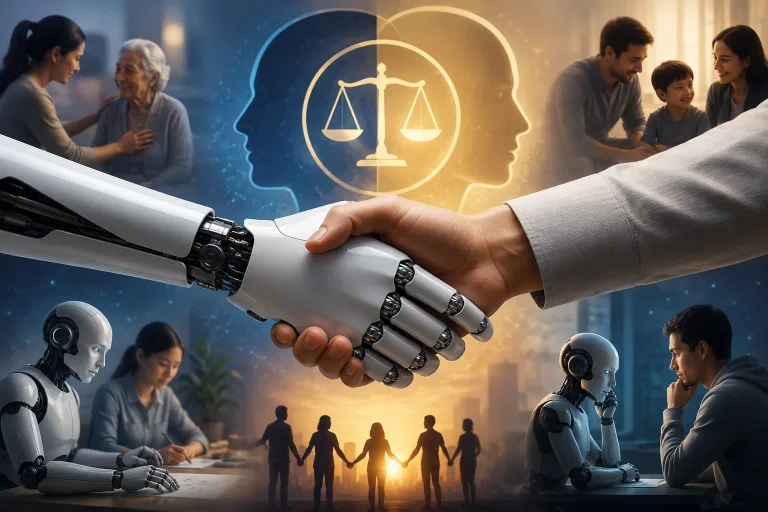
Therefore, AI should support teachers rather than replace them. The best approach combines the speed and flexibility of technology with the experience and care of human educators.
Challenges of Using AI in Education
Despite its benefits, AI also creates several challenges that schools, parents and students must consider.
1. Incorrect Information
AI tools can sometimes provide wrong answers or misleading explanations. Students should compare important information with textbooks, trusted sources and teachers’ guidance.
2. Dependence on Technology
If students use AI to complete every assignment, they may lose opportunities to develop independent thinking and problem-solving skills. AI should help students learn how to find answers, not simply give them answers to copy.
3. Digital Inequality
Not every student has a smartphone, computer, stable internet connection or reliable electricity. This can create a gap between students who can use AI and those who cannot.
4. Privacy and Safety
Some AI platforms collect information entered by users. Students should avoid sharing passwords, home addresses, personal documents and other private information.
5. Reduced Human Interaction
Learning also depends on discussions, friendships, teamwork and direct communication with teachers. Too much screen-based learning may reduce these valuable experiences.
The Future of AI in Education
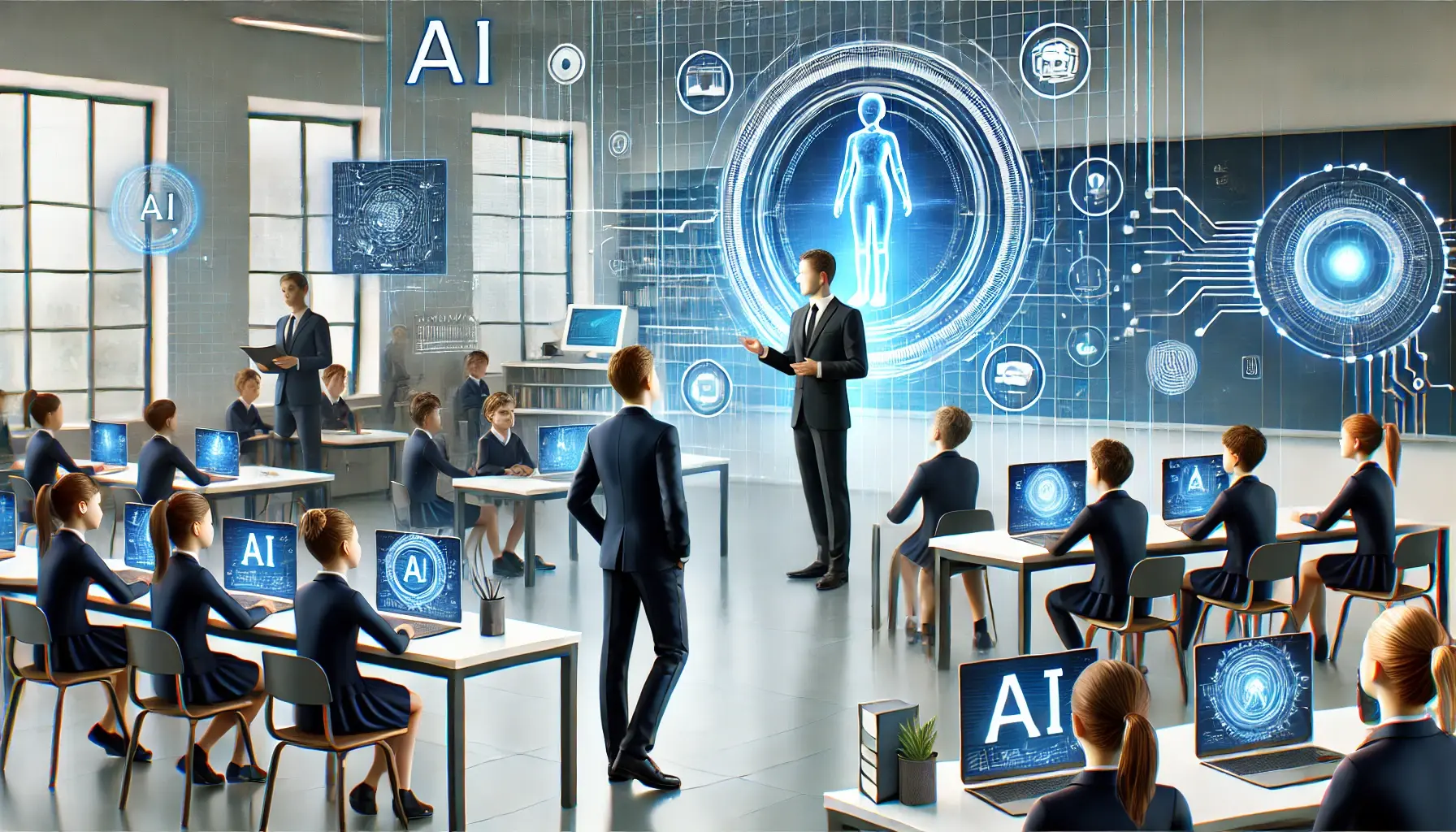
The future of education may include AI-powered tutors, interactive lessons, digital classrooms and learning platforms that adjust to individual progress.
Schools could use AI to identify topics that students find difficult and help teachers plan additional lessons. Students in remote areas may also gain access to learning materials that were previously difficult to obtain.
However, successful AI-based education will require teacher training, affordable technology, reliable digital infrastructure and clear rules for protecting students’ information. Schools must also ensure that AI-generated content is accurate and suitable for learners.
Most importantly, educational institutions should measure success by how much students learn, not simply by how much technology they use.
How Students Can Use AI Responsibly
Students can make the most of AI by treating it as a learning partner rather than a replacement for their own effort.
- Ask AI to explain difficult topics in simple language.
- Use it to create practice questions and revision plans.
- Try solving problems independently before checking AI’s answer.
- Verify important facts with textbooks and reliable sources.
- Use AI feedback to improve writing rather than copying entire assignments.
- Ask teachers for help when an explanation remains unclear.
- Protect personal information while using digital learning platforms.
These habits can help students improve their knowledge while developing independent thinking and digital skills.
Conclusion
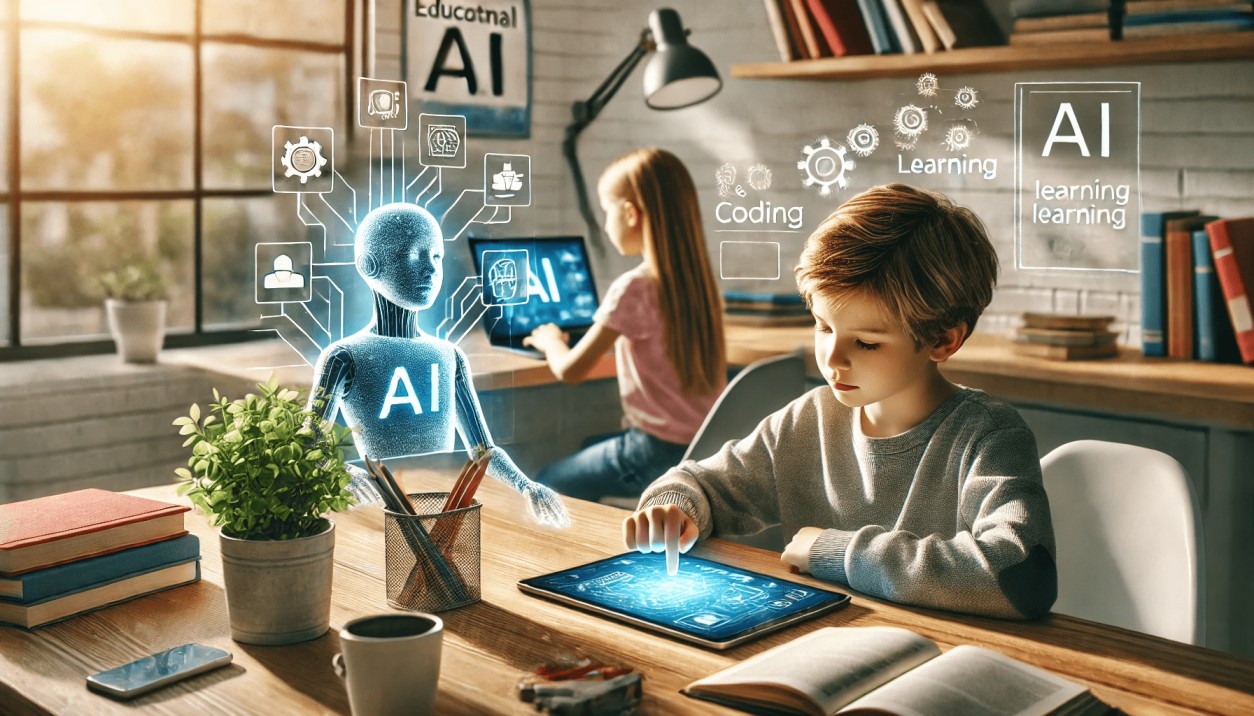
Can Artificial Intelligence Become Every Student’s Personal Teacher? AI can become a valuable personal learning assistant by offering individual explanations, instant feedback and flexible study support. It may help more students access educational resources, including those who live in rural and underserved areas.
However, AI cannot fully replace the human connection, understanding and guidance that teachers provide. The future of education should not be about choosing between teachers and technology. It should be about combining both to create better learning opportunities for every student.
When used responsibly, AI can help teachers teach more effectively and help students learn with greater confidence. The real goal is not to replace teachers with machines, but to make quality education more accessible to everyone.
Frequently Asked Questions (FAQs)
1. Can Artificial Intelligence Become Every Student’s Personal Teacher?
AI can act as a personal learning assistant by explaining lessons, answering questions, providing practice exercises and adapting learning materials. However, human teachers remain essential for emotional support, guidance and classroom development.
2. What are the main benefits of AI in education?
The main benefits include personalised learning, instant feedback, flexible study schedules, examination practice, language support and assistance for teachers.
3. Can AI replace school teachers in the future?
AI may perform some teaching tasks, but it is unlikely to replace all the responsibilities of human teachers. Students still need human guidance, encouragement, social interaction and responsible supervision.
4. How can AI help rural students?
AI can provide additional explanations, digital learning materials, practice tests and language support. These resources may help rural students access learning opportunities when specialised educational support is limited.
5. What are the disadvantages of AI in education?
The disadvantages include incorrect information, overdependence on technology, privacy risks, unequal access to digital devices and reduced human interaction.
6. Is AI useful for examination preparation?
Yes. AI can help students revise subjects, practise questions, understand difficult concepts and identify areas that need improvement. Students should verify answers using reliable study materials.
7. How should students use AI responsibly?
Students should use AI to understand concepts, practise skills and improve their work. They should avoid copying answers without understanding them and should verify important information.
8. What is the future of AI in education?
AI is likely to become a more common learning tool in schools and at home. Its success will depend on responsible use, teacher involvement, reliable technology and equal access to educational resources.