Sankoo: Ladakh’s Eighth District

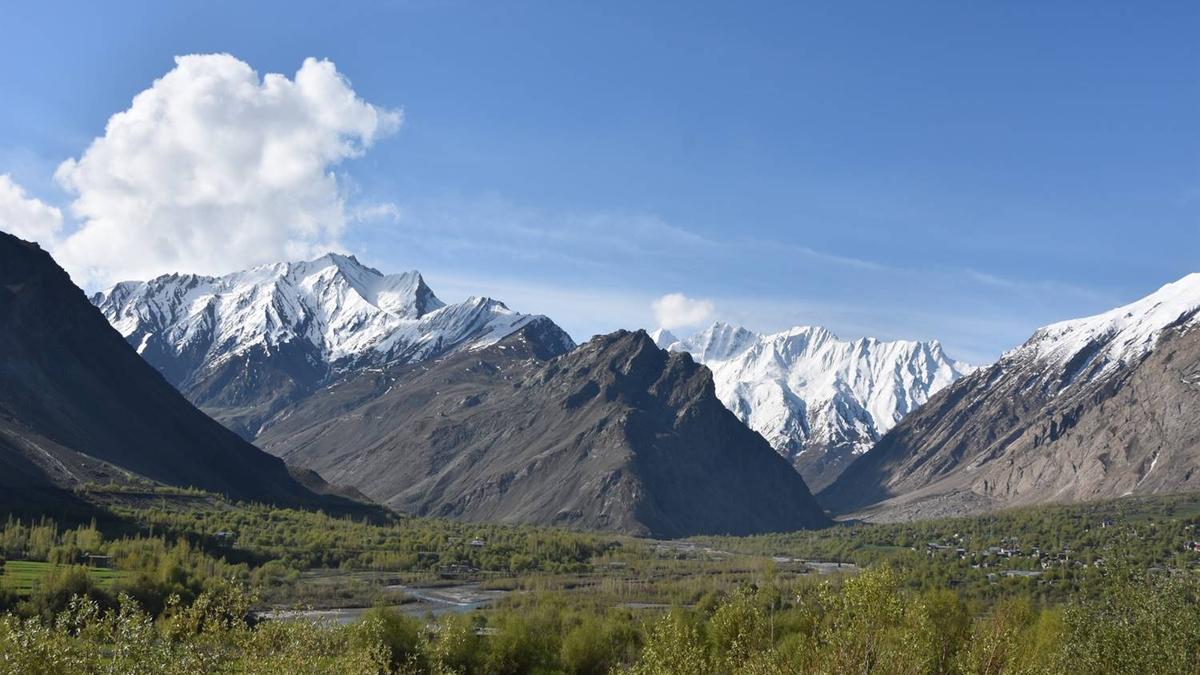
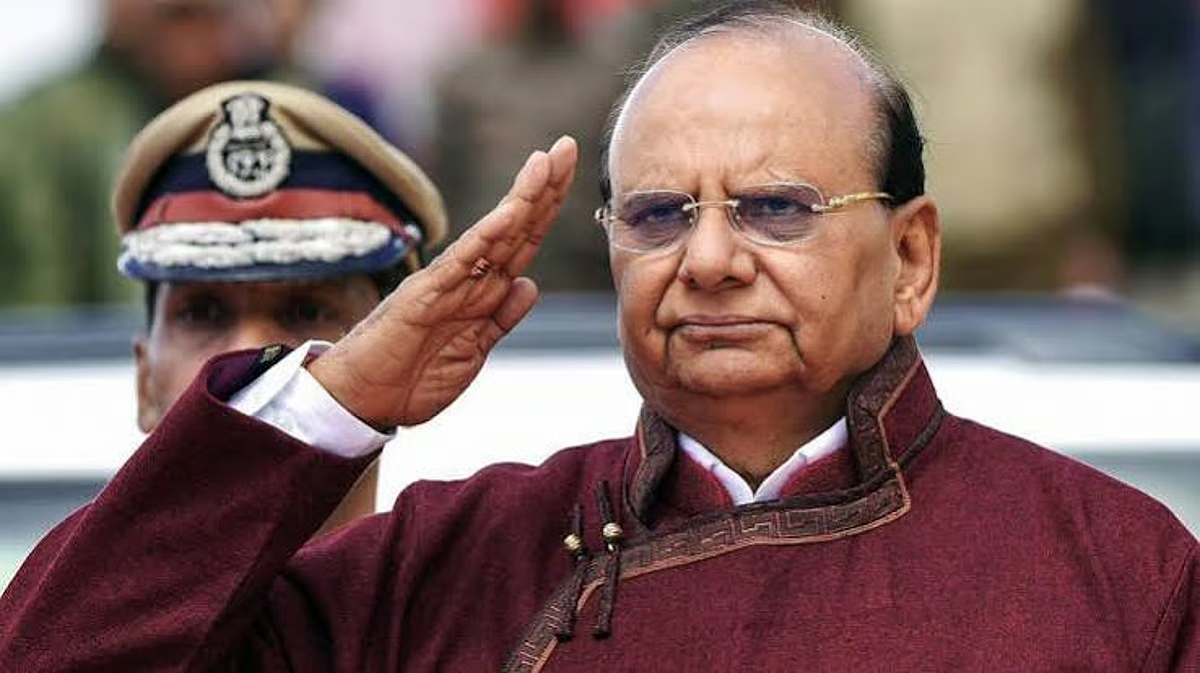
Sankoo District officially became Ladakh’s eighth district on 16 October 2026, according to the supplied report. Lieutenant Governor Vinai Kumar Saxena announced the creation of the new district in the Union Territory. Sankoo is located in the Suru Valley region of Kargil district and is known for its mountainous landscape and remote settlements.
The creation of Sankoo is intended to bring government services closer to local residents and make administration more accessible. In high-altitude areas such as Ladakh, long travel distances and difficult weather can make it challenging for people to reach government offices. A separate district administration can help improve coordination and access to public services, depending on how local offices and resources are organised.

The decision is part of Ladakh’s wider administrative reorganisation in 2026, which expanded the number of districts from two to eight.
Ladakh Expands Its District Structure
Before the changes announced in 2026, Ladakh had two districts: Leh and Kargil. On 27 April 2026, five additional districts Sham, Nubra, Changthang, Zanskar and Drass were approved, increasing the proposed district structure to seven.
The creation of Sankoo brought the total to eight districts, according to the supplied report. The reorganisation aims to make local administration more accessible across Ladakh’s widely spread settlements.
The decision was also described as fulfilling a long-standing demand of people in the Sankoo area. Anjuman-e-Sahib Zaman was among the organisations involved in the process. Its Chief Patron was Syed Mohammad Razvi, also known as Aga Migi Outh, and its Chairman was Sheikh Sadiq Balaghi.
The expansion is associated with the broader goal of decentralising administration. However, the practical impact will depend on the establishment of district offices, the availability of staff and the delivery of services to residents.
Why Sankoo District Is Important
Sankoo is situated in the Suru Valley of the Kargil region. Like many parts of Ladakh, the area faces geographical challenges because of its mountainous terrain, remote settlements and harsh winter conditions.
Residents in such locations may need to travel long distances to access administrative services. These can include revenue records, certificates, development programmes and other government facilities.
A separate district can provide a local administrative structure to coordinate these services. It may also make it easier for officials to understand local needs and monitor development work.
Improved administration can be particularly important in remote areas where road access and weather conditions affect daily life. The establishment of a district alone, however, does not automatically guarantee better services. Adequate staffing, infrastructure, funding and reliable transport links will also be necessary.
Ladakh’s Administrative Status
Ladakh became a Union Territory on 31 October 2019 following the reorganisation of the former state of Jammu and Kashmir under the Jammu and Kashmir Reorganisation Act, 2019.
Unlike Jammu and Kashmir, Ladakh is a Union Territory without a Legislative Assembly. It is administered by a Lieutenant Governor appointed by the President of India.
The Union Territory’s administrative structure is important because its settlements are spread across a large, high-altitude region. District administrations help coordinate government work and deliver services closer to local communities.
Leh and Kargil were the original two districts of Ladakh before the 2026 changes described in the supplied report. The addition of Sham, Nubra, Changthang, Zanskar, Drass and Sankoo represents a major expansion of its district structure.
All Eight Districts of Ladakh
According to the supplied report, Ladakh’s eight districts are:
- Leh: An important administrative and urban centre in eastern Ladakh.
- Kargil: A major administrative centre in western Ladakh.
- Sham: A district included in the 2026 reorganisation.
- Nubra: A high-altitude region known for its valleys and mountain landscapes.
- Changthang: A high-altitude plateau region with pastoral communities and distinctive wildlife.
- Zanskar: A remote mountain region known for its valleys and traditional settlements.
- Drass: A mountainous region along an important route connecting Srinagar and Kargil.
- Sankoo: Located in the Suru Valley region of Kargil district before its elevation to district status.
The expanded district structure is intended to improve administrative reach across these different regions. Each area has its own geographical conditions, settlement patterns and service requirements.
Challenges of Administration in Ladakh
Ladakh’s high-altitude environment creates special challenges for government departments. Winter snowfall, low temperatures, landslides in some areas and difficult road conditions can interrupt transport and delay public services.
Officials must also coordinate development work across settlements that may be far apart. Health services, education, drinking water, electricity and road connectivity are important needs in these areas.
Creating additional districts can help divide administrative responsibilities and bring officials closer to residents. It may also improve the monitoring of local projects and the coordination of public services.
The next important steps will involve making the district administration operational, allocating resources and ensuring that residents can access essential services without unnecessary travel.
The establishment of Sankoo District on 16 October 2026 marks a new stage in Ladakh’s administrative reorganisation. Its long-term value will depend on how effectively the new district structure responds to the needs of people living in the Suru Valley and surrounding areas.