UAS in India: Types and Uses

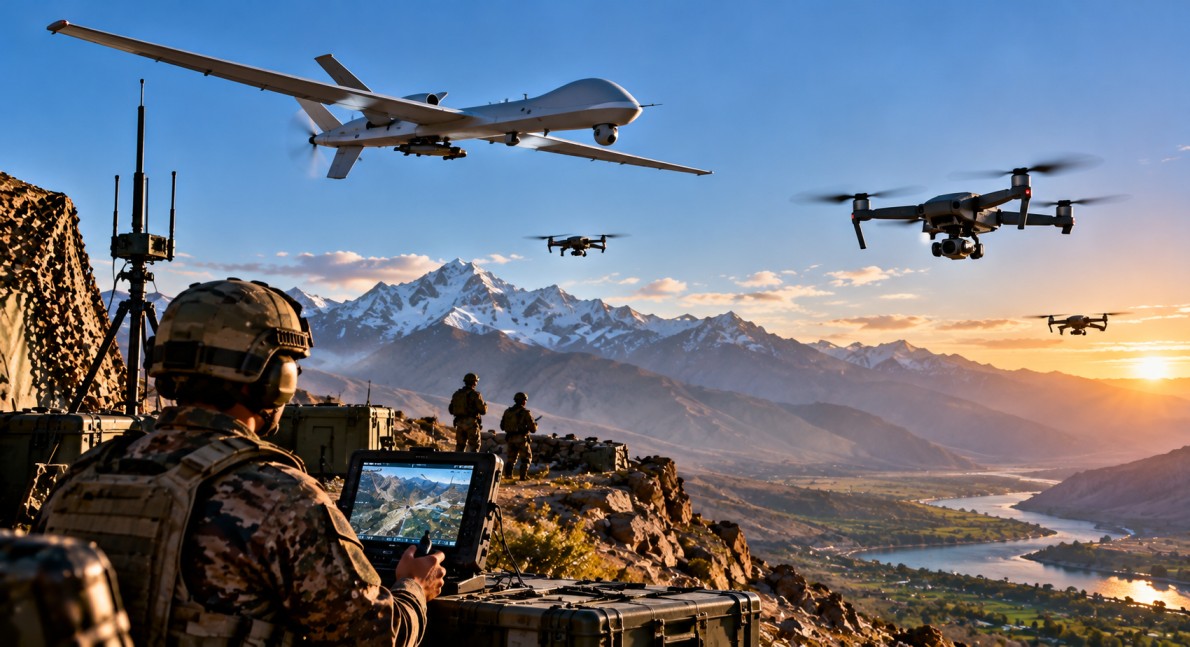
UAS in India are becoming an important part of modern defence, border security, disaster management and civilian operations. Unmanned Aerial Systems (UAS) are aircraft systems that operate without a pilot onboard. They combine an unmanned aircraft, ground control equipment and communication systems to carry out different tasks.
These systems can monitor border areas, collect information, support search-and-rescue operations and deliver essential supplies to remote locations. Military drones also support surveillance, reconnaissance, logistics and, in some cases, precision strikes. As drone technology develops, India is increasing its focus on domestic manufacturing and advanced systems that can meet the needs of its armed forces.

The delivery of 450 Nagastra-1R loitering munitions by Solar Defence and Aerospace Limited to the Indian Army on 13 and 14 October 2026 is one recent example of this development. It highlights the growing role of Indian manufacturers in supplying unmanned defence equipment.
What Is an Unmanned Aerial System?
An Unmanned Aerial System is more than just a drone. It includes three main parts: the unmanned aerial vehicle, a ground control station and a communication link that connects the aircraft with its operator or control system.
Some drones are controlled remotely by people, while others can perform certain tasks automatically using onboard systems. They vary in size, flight altitude, endurance and purpose.
UAS technology is used for intelligence gathering, border monitoring, mapping, agricultural surveys, disaster response and infrastructure inspection. In military operations, these systems can help collect information without placing personnel directly in dangerous locations.
The choice of a drone depends on the task. Small systems are useful for close-range observation, while larger aircraft can remain airborne for long periods and monitor wider areas.
Major Types of Military Drones Used in India
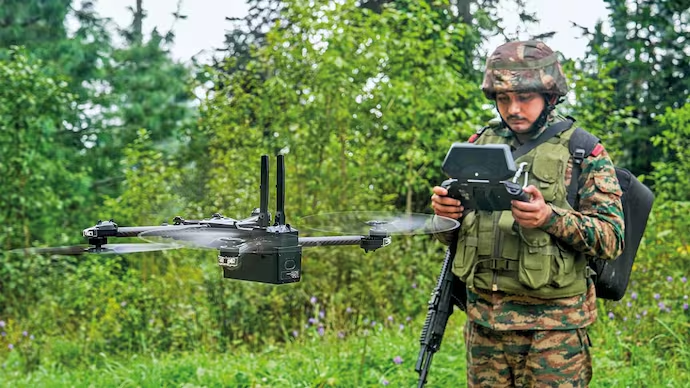
India uses or develops different types of unmanned aircraft to meet the requirements of its Army, Navy and Air Force. These systems differ in size, operating altitude, endurance and mission.
Medium-Altitude Long-Endurance (MALE) UAVs: These drones operate at medium altitudes and can remain airborne for extended periods. They are used for intelligence, surveillance and reconnaissance (ISR). The Indian Armed Forces use the Israeli-made Heron for long-range surveillance. The Searcher II is another platform used for tactical reconnaissance.
High-Altitude Long-Endurance (HALE) UAVs: These aircraft operate at high altitudes and are designed to monitor large areas over long periods. In October 2024, India agreed to acquire 31 MQ-9B remotely piloted aircraft from the United States. The acquisition was intended to strengthen surveillance capabilities over land borders and maritime areas.
Tactical surveillance drones: These systems provide information about nearby terrain and activities. DRDO’s Nishant was developed for reconnaissance, target designation and artillery observation. NETRA, a small vertical-take-off-and-landing UAV co-developed by DRDO and IdeaForge, has been used by security and disaster-response agencies.
Unmanned combat aerial vehicles: These systems are designed for combat-related missions. DRDO’s Ghatak is an autonomous unmanned combat aerial vehicle under development. HAL’s CATS Warrior programme is intended to develop an unmanned aircraft that can work alongside crewed fighter aircraft.
Loitering Munitions and the Nagastra-1R
Loitering munitions are a special category of unmanned systems that can remain airborne while searching for or observing a target before striking it. They combine some functions of aerial surveillance systems with those of weapons.
The Nagastra-1R is an Indian-developed loitering munition produced by Solar Defence and Aerospace Limited, a subsidiary of Solar Industries India. It is designed for short-range military operations and includes an abort-and-recovery option, allowing the system to be recalled when a mission is cancelled or a target is not engaged.
On 13 and 14 October 2026, the company delivered 450 Nagastra-1R systems to the Indian Army. The order was worth approximately ₹158 crore and was placed under an emergency procurement contract in June 2025.
The Nagastra-1R has more than 80% indigenous content, according to the supplied report. Indigenous content refers to the share of a system’s components or value produced within India.
The delivery followed an earlier supply of 480 Nagastra-1 systems, completed by December 2024. The earlier version was reported to have more than 75% indigenous content.
These deliveries demonstrate the participation of Indian private-sector companies in developing and supplying unmanned military equipment.
India’s Indigenous Drone Development
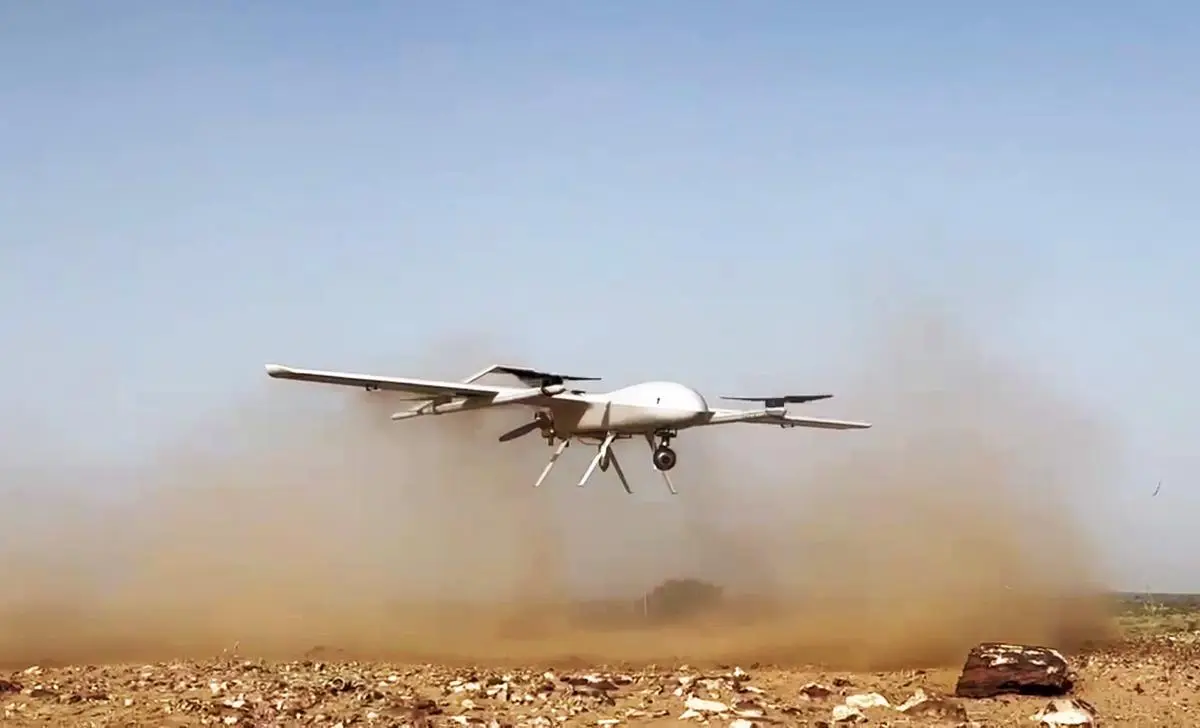
Domestic drone development is an important part of India’s effort to build its defence manufacturing capabilities. Organisations such as the Defence Research and Development Organisation (DRDO), Hindustan Aeronautics Limited (HAL) and private companies are involved in different unmanned aircraft programmes.
The DRDO Rustom series, including TAPAS BH-201, was developed to support surveillance and reconnaissance requirements. These programmes have also helped develop experience in flight control, communications, sensors and other aircraft technologies.
The Ghatak programme focuses on an unmanned combat aircraft, while HAL’s CATS Warrior programme aims to develop an unmanned platform that can operate alongside crewed aircraft.
Private companies are also introducing new systems for different military roles. Their work covers surveillance, communications, reconnaissance and strike-related capabilities. However, the development stage and operational status differ from one platform to another, so a system under development should not be treated as fully operational.
Civilian Uses of Drones in India
Drones are also used outside the defence sector. They can help farmers monitor crops, assess plant health and plan the use of agricultural resources. Surveying companies use them to map land, inspect construction projects and monitor infrastructure.
During floods, landslides and other disasters, drones can provide aerial views of affected areas. This information can help response teams assess damage and identify locations that need assistance.
Drones can also inspect bridges, power lines, industrial facilities and other structures that may be difficult or dangerous for people to reach. In some remote areas, they may support the transport of medical supplies and other essential items.
These applications can save time and reduce the need for people to enter hazardous locations. Their effectiveness still depends on weather, battery life, payload capacity, communication links and the rules governing each operation.
Drone Regulations and Safety in India
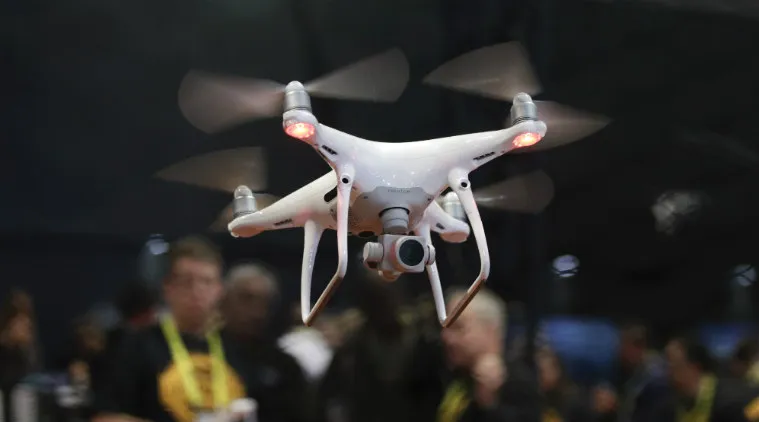
The Directorate General of Civil Aviation (DGCA) oversees civilian drone operations under India’s aviation regulatory framework. The Drone Rules, 2021 established rules for drone registration, operation and remote pilot requirements.
Depending on the drone category and operation, users may need registration, a Unique Identification Number (UIN), a remote pilot certificate or other permissions. Flight restrictions also apply in designated airspace, including certain sensitive and controlled areas.
The Digital Sky Platform provides information and services related to drone regulation and airspace permissions. Operators must check the applicable requirements before flying rather than assuming that every area is open to drone operations.
Safety and privacy are also important. Drone operators should avoid restricted areas, respect other people’s privacy and follow applicable aviation rules. Military systems operate under separate defence requirements and should not be confused with ordinary civilian drones.
Current Developments in India’s Drone Industry
The delivery of 450 Nagastra-1R systems in October 2026 highlights the growing importance of unmanned technology in India’s defence planning. It also shows how domestic manufacturers are contributing to the supply of military equipment.
At the same time, India’s wider drone sector continues to explore applications in agriculture, mapping, infrastructure inspection and emergency response. The development of reliable sensors, communications, navigation systems and locally produced components will remain important for the sector.
As these technologies advance, India faces the challenge of balancing innovation with safety, responsible use and effective regulation. Investment in research, manufacturing skills and testing will be important for building systems suited to both military and civilian needs.