


Thailand Amnesty Act 2026 Takes Effect

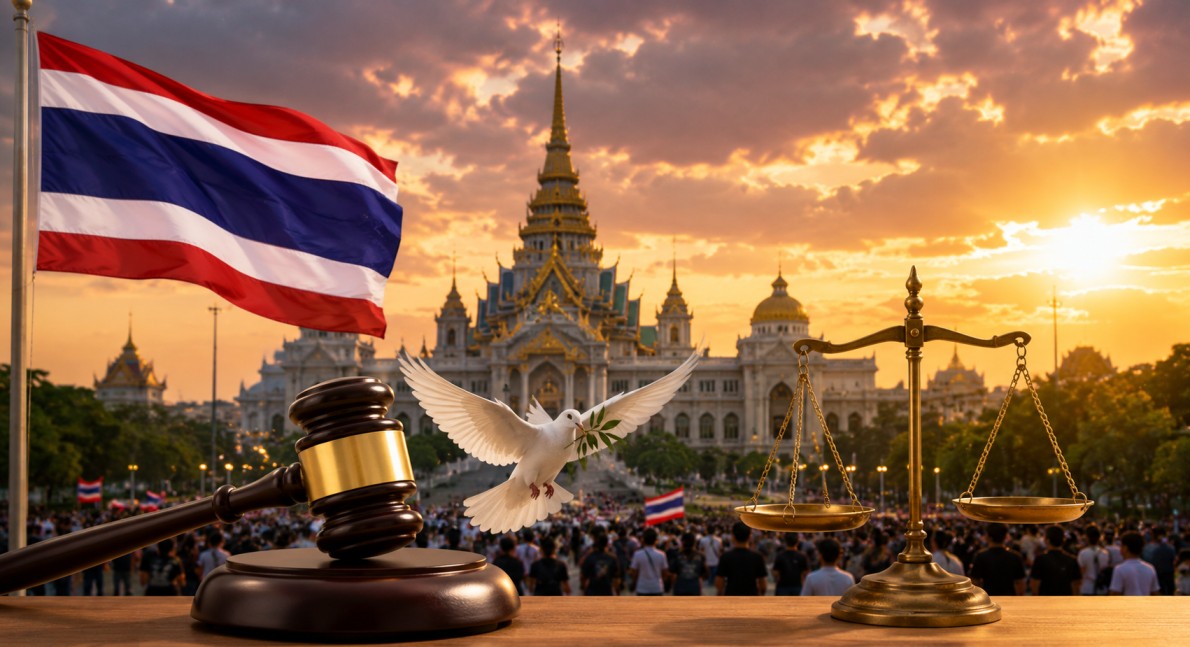
Thailand Amnesty Act 2026 has officially come into force, marking an important development in the country’s efforts to deal with political conflicts and legal cases connected to years of unrest. The new law, officially called the Act on Promoting a Peaceful Society B.E. 2569 (2026), became effective on August 24, 2026, following royal endorsement and publication in Thailand’s Royal Gazette on August 23. The law provides amnesty for certain political offences and expressions connected to political conflicts that took place between January 1, 2005, and July 16, 2025.
The new legislation has attracted attention across Thailand because it could affect thousands of people who became involved in political movements, protests, demonstrations, and other activities during a long period of political tension. Supporters believe the law may help reduce long-running legal disputes and encourage national reconciliation, while debates continue over the exact scope and impact of the legislation.

What Does the Thailand Amnesty Act Cover?
The Thailand Amnesty Act covers specific offences that are considered connected to political unrest or political expression during the period mentioned in the law. The purpose is to provide legal relief in qualifying cases that arose during years of political conflict.
However, the amnesty does not apply to every offence. Some serious categories are excluded from the law. These include corruption-related cases, crimes that resulted in death or serious injury, and certain personal civil liabilities involving private individuals or organisations.
One of the most important exclusions is Section 112 of Thailand’s Criminal Code, which deals with lese-majeste offences. Cases under this section are not covered by the new amnesty law. This exclusion has become one of the major points of discussion surrounding the legislation.
New Committee to Review Amnesty Cases
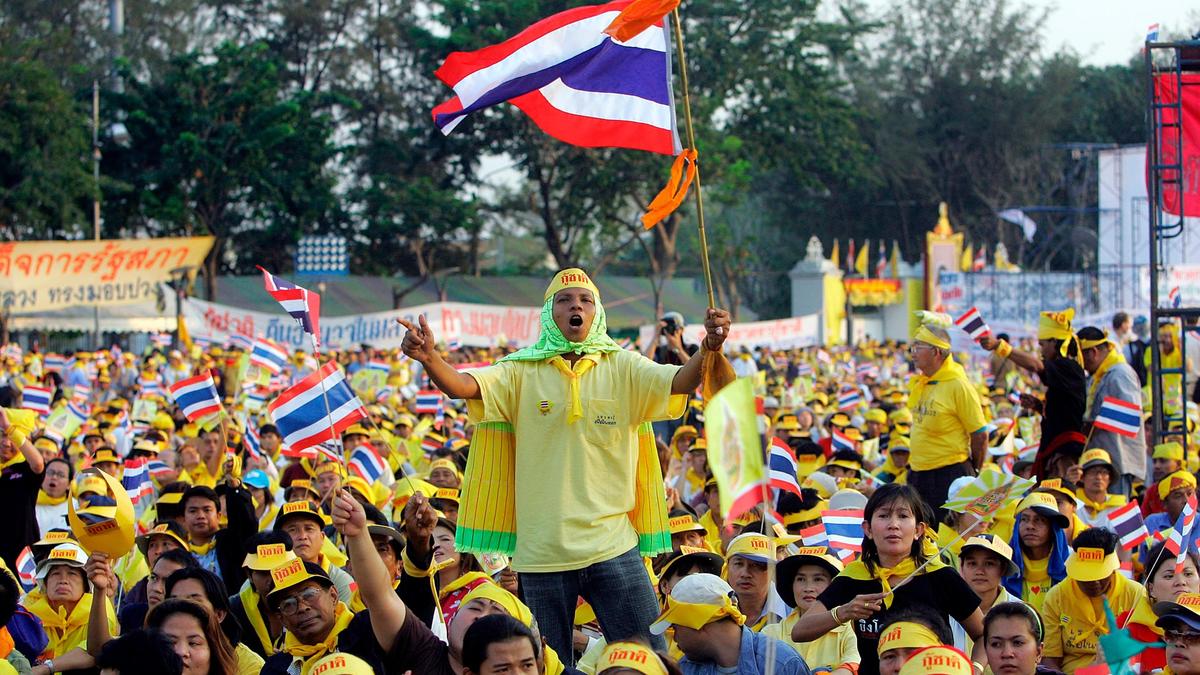
The law creates a nine-member Peaceful Society Promotion Committee to examine cases and decide whether they meet the conditions for amnesty. The committee is expected to play a central role in the implementation of the Thailand Amnesty Act.
According to the provisions of the law, the committee must hold its first meeting within 30 days. It will review cases individually or through the procedures established under the new legislation.
The committee is chaired by Prime Minister Anutin Charnvirakul. Its work will be closely watched because its decisions could determine how widely the amnesty is applied and how many people receive legal relief.
Impact on Ongoing Criminal Cases
For people whose cases qualify under the new law, the legal impact could be significant. Ongoing investigations and prosecutions may be ended, while cases still pending before courts could be dismissed.
The law can also bring an end to prison sentences in qualifying cases. In addition, criminal records connected to offences covered by the amnesty may be cleared under the legal process.
These provisions are designed to help people move forward after years of political conflict. Thailand has experienced several periods of political instability, protests, and public demonstrations over the past two decades. Many of these events resulted in criminal cases against protesters, activists, and other individuals.
The new law is therefore being seen as part of a broader effort to address the legal consequences of those political conflicts.
Parliament Passed the Bill in July 2026
Before becoming law, the Peaceful Society Promotion Bill was passed by Thailand’s House of Representatives on July 8, 2026. The bill received 306 votes in favour, while 141 members voted against it and two members abstained.
The parliamentary vote showed strong support for the legislation, although the number of opposing votes also reflected continued differences over the issue of political amnesty.
Estimates about the number of people who could benefit from the Thailand Amnesty Act vary. Parliamentary discussions suggested that around 6,000 individuals could potentially fall within the scope of the law. However, some academic estimates have suggested a smaller number, ranging from around 1,000 to 2,000 qualifying individuals.
The final number will depend on how the Peaceful Society Promotion Committee interprets and applies the conditions set out in the law.
Thailand’s Search for Political Reconciliation
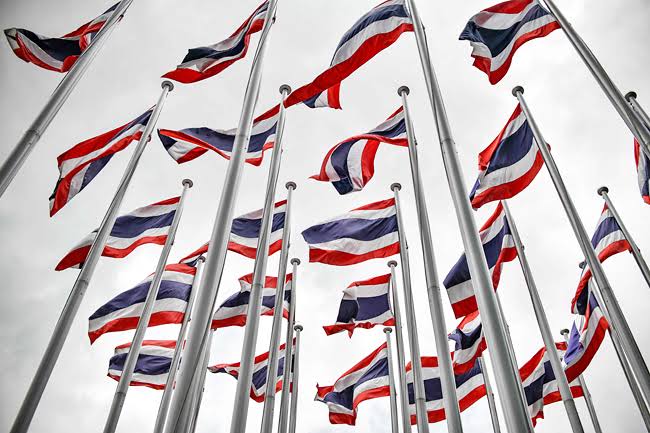
The introduction of the Thailand Amnesty Act comes at a time when many countries in Asia and around the world are facing discussions about political reconciliation, public protests, freedom of expression, and the role of legal systems during periods of political conflict.
For Thailand, the new law represents another major step in dealing with the effects of nearly two decades of political divisions. The success of the legislation will depend largely on how fairly and transparently the cases are reviewed.
As the new committee begins its work, political groups, legal experts, civil society organisations, and the public are expected to closely follow the implementation of the law. The Thailand Amnesty Act 2026 could become an important part of the country’s wider effort to reduce political tensions and create a more peaceful society.