



Antelope Reef Expansion

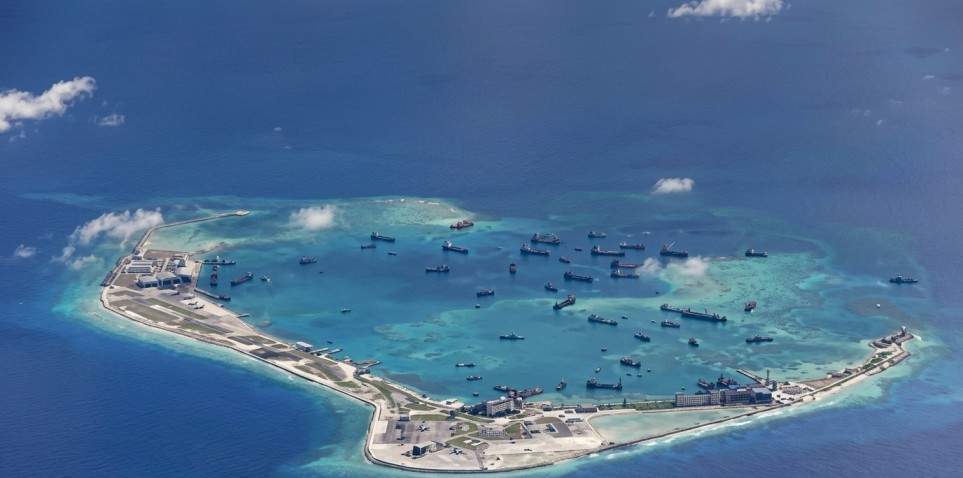
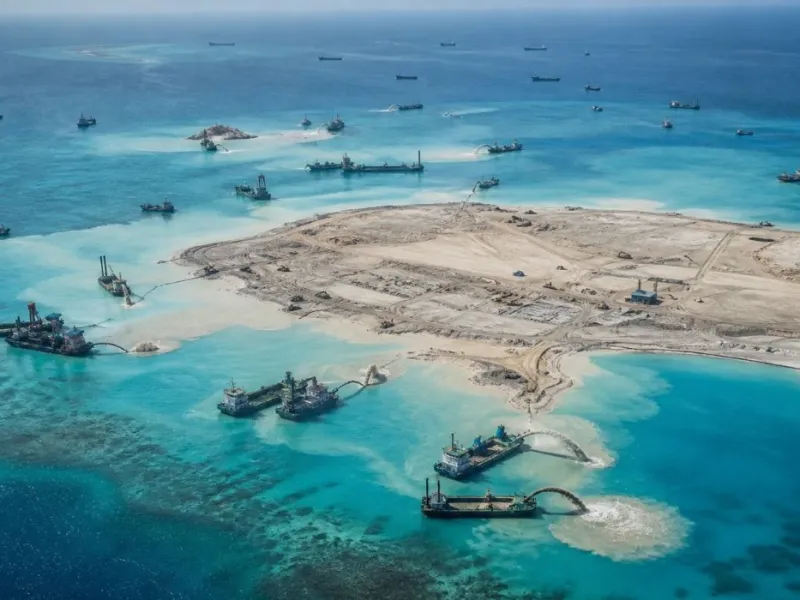
Antelope Reef Expansion has become the focus of renewed attention in the South China Sea after China completed the first phase of dredging and land reclamation at the site on 21 August 2026. Satellite images reportedly show a large newly created artificial landmass in the Paracel Islands, with port and runway-related infrastructure under development.
The reclaimed area is estimated at around 1,500 acres and stretches for nearly 6 kilometres. The development has attracted attention because of the strategic importance of the South China Sea and the long-running territorial disagreements involving several countries in the region.

What Is Happening at Antelope Reef?
The development at Antelope Reef involves creating new land by dredging material from the seabed and using it to fill and stabilise areas of the sea. This process is known as land reclamation.
Satellite imagery has indicated that the newly reclaimed area includes infrastructure associated with maritime operations. Reports have identified a deep-water port, a quay measuring more than 2,000 feet and a helicopter landing facility.
The site also has a relatively straight coastline of around 3 kilometres. Analysts have assessed that the area could potentially accommodate a runway of about 10,000 feet, although the final purpose and operational capability of the facilities remain subject to further development.
Antelope Reef and the Paracel Islands
Antelope Reef is located within the Paracel Islands, an island group in the northern part of the South China Sea. China has exercised de facto control over the Paracel Islands since 1974, following its military conflict with South Vietnam.
The islands remain disputed. Vietnam claims sovereignty over the Paracel Islands and has continued to reject China’s claims over the area.
China refers to the Paracel Islands as the Xisha Islands, while Vietnam calls them the Hoang Sa Islands. The competing claims make infrastructure development in the region particularly sensitive.
New Maritime Infrastructure
The expansion of Antelope Reef is significant because the reclaimed area could provide additional space for maritime infrastructure.
A deep-water port can allow larger vessels to approach and operate from the site. A quay provides a platform along the shoreline where ships can load and unload cargo or equipment.
The construction of a helicopter pad could also support aviation operations, while a potential long runway could provide additional access for aircraft if it is eventually completed and made operational.
These facilities could have both civilian and strategic uses, depending on how the development is ultimately utilised.
Possible Radar and Surveillance Facilities
Satellite photographs have also shown three-pronged structures on Yagong Island, located around 14 kilometres northeast of Antelope Reef. Security analysts have suggested that these structures could be connected with an early-warning radar system.
Radar installations can detect and track aircraft and vessels over large areas. Such systems are important for maritime surveillance and early warning.
However, assessments about the exact purpose of the structures are based on satellite imagery and analysis. Their final role would depend on further construction and official information.
Strategic Importance of the South China Sea
The development is taking place in one of the world’s most important maritime regions. The South China Sea connects major shipping routes between the Pacific and Indian Ocean regions and is important for international trade, fishing and energy resources.
The area is also strategically important because several countries have overlapping territorial and maritime claims. These include China, Vietnam, the Philippines, Malaysia, Brunei and Taiwan.
The expansion of artificial islands and infrastructure can therefore influence regional military planning, maritime surveillance and access to important sea routes.
China’s Position on the Project
China has maintained that its activities in the Paracel Islands can support civilian purposes. Chinese statements have associated development in the area with activities such as weather forecasting, scientific research and fisheries protection.
At the same time, regional security analysts have raised questions about the possible strategic uses of the infrastructure.
The difference between stated civilian purposes and assessments of potential military applications has added to international attention surrounding the project.
Vietnam’s Continuing Claim
Vietnam continues to assert its historical and legal claim over the Paracel Islands. The latest development at Antelope Reef has therefore taken place against the background of a long-running territorial dispute.
The issue is not limited to ownership of individual reefs or islands. Infrastructure built in disputed maritime areas can also affect how countries manage their surrounding waters and security arrangements.
A New Phase of China’s Island-Building Activity
The Antelope Reef project has also been described by maritime analysts as China’s first major newly initiated island-building campaign in the South China Sea since 2017.
China has previously carried out extensive land reclamation in the region, creating artificial islands with airstrips, ports and other facilities. The latest project could represent a renewed phase of infrastructure development in the disputed waters.
The scale of the reclamation and the combination of port, aviation and possible surveillance infrastructure make Antelope Reef an important development to watch as construction progresses.