
Australia Migration Cut Plan

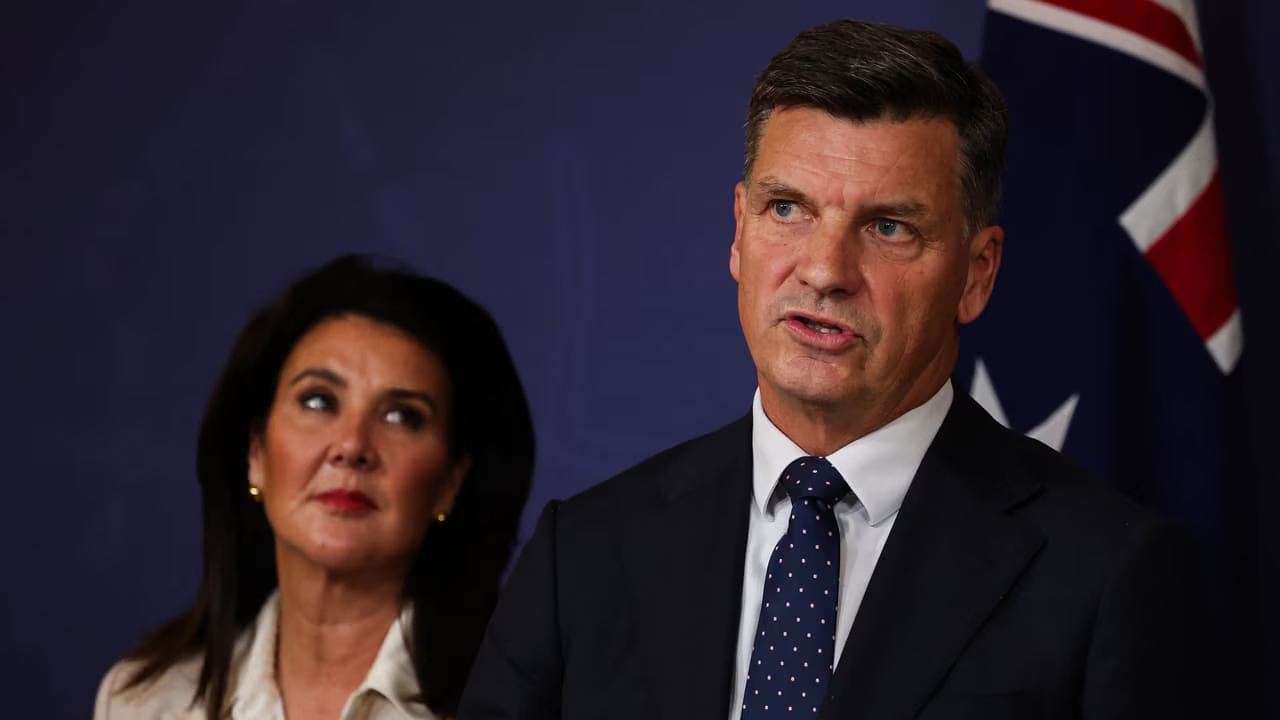
Australia Migration Cut is at the centre of a new immigration proposal announced by the country’s Liberal-National Coalition. Opposition Leader Angus Taylor has proposed reducing net overseas migration to 100,000 people a year for the first two years, before allowing it to rise to around 160,000 in the fourth year. The plan includes changes to temporary visas, humanitarian places and international student numbers, making immigration a major issue in Australia’s political debate.
Thank you for reading this post, don't forget to subscribe!What Is Australia’s Migration Policy?
Australia’s migration system includes permanent migration, temporary work visas, international student visas and humanitarian programmes. The government uses several measures to track migration, including net overseas migration, which records the difference between people arriving in Australia and people leaving over a period.
Australia reopened its international borders in February 2022 after COVID-19 restrictions. Migration increased during the recovery period, leading to public debate about housing availability, transport, healthcare and pressure on public services.
According to the figures provided in the proposal, net overseas migration stood at 306,000 in the year ending 30 June 2025. The Labor government has also set out plans to reduce migration levels over the coming years.
Major Changes Proposed by the Coalition
The Coalition’s plan aims to reduce the number of people entering Australia through several temporary visa categories. It proposes cutting temporary visa numbers by about 650,000 over four years, excluding visitors and New Zealand citizens.
Another major proposal is to reduce Australia’s annual humanitarian intake to 10,000 places, approximately half the level described in the plan. Humanitarian visas allow eligible people fleeing persecution or serious danger to seek protection and resettlement.
The Coalition also proposes ending the temporary graduate visa programme. This programme currently provides eligible international graduates with an opportunity to remain in Australia for a limited period and gain work experience after completing their studies.
New Restrictions on International Students
International education is an important part of Australia’s economy, attracting students from countries across Asia and other regions. The Coalition proposal would introduce a cap of 240,000 international student enrolments.
It also seeks to restrict most international students from bringing family members to Australia. In addition, the plan proposes reducing the share of foreign students in higher education institutions to below 25%.
If implemented, these measures could affect universities, vocational education providers, students and businesses that depend on international education. Universities may need to adjust recruitment plans, while prospective students could face greater competition for places.
However, the final impact would depend on how the proposed restrictions were designed and applied. The details of any exemptions and implementation arrangements would also matter.
Skilled Workers and Construction Visas
Although the Coalition plans to reduce several migration categories, it has also proposed increasing temporary skilled visas by 100,000. The plan includes clearing construction worker visa applications to help address labour needs in the building sector.
This approach reflects a distinction between reducing overall migration and attracting workers for specific industries. Construction companies may need skilled workers to build homes and infrastructure, while other sectors may have different labour requirements.
The balance between migration controls and workforce demand is likely to remain a major part of the debate, particularly as Australia considers housing supply and the needs of its growing population.
Housing and Public Infrastructure at the Centre of Debate
The Coalition argues that lower migration would help reduce pressure on housing, roads, schools and hospitals. Population growth can increase demand for homes and public services, particularly in areas where infrastructure and housing construction have not kept pace.
However, migration is only one factor affecting housing affordability. Interest rates, construction costs, planning rules, housing supply and the location of new jobs also influence property prices and rents.

Reducing migration alone would not automatically solve Australia’s housing problems. The overall effect would depend on the size and timing of the cuts, the availability of workers and the government’s wider housing and infrastructure policies.
Budget Impact and Political Debate
The Coalition has estimated that its proposal could improve the federal budget by approximately A$260 million. The estimate was reportedly prepared with assistance from the Parliamentary Budget Office, although full costings have not yet been released.
The proposal is expected to be part of the political debate ahead of Australia’s next general election, scheduled for 2028. The Coalition has said it will release further cost details closer to the election.
Immigration is likely to remain a key policy issue as political parties debate population growth, labour shortages, humanitarian responsibilities and the cost of living. The final outcome will depend on political support, detailed policy planning and the response from affected industries and communities.