


Navi Pillay Nobel Peace Prize

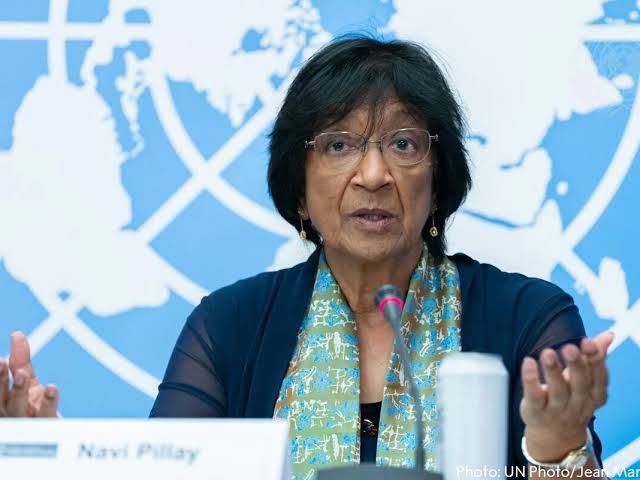
Navi Pillay Nobel Peace Prize recognition has brought international attention to the role of human rights, international law and justice in preventing conflict. Navanethem “Navi” Pillay, a South African jurist and former United Nations human rights chief, won the 2026 Nobel Peace Prize on 9 October 2026. The Norwegian Nobel Committee honoured her work to strengthen international legal institutions and hold those responsible for serious crimes accountable.
Thank you for reading this post, don't forget to subscribe!Why Navi Pillay Won the 2026 Nobel Peace Prize
The Norwegian Nobel Committee recognised Pillay for her long career in international justice and human rights. Her work has focused on strengthening the rule of law and ensuring that people responsible for war crimes, genocide and other serious violations can face legal accountability.
The award comes at a time when international courts and human rights organisations face growing pressure over conflicts around the world. The committee’s decision highlights the importance of legal institutions in addressing violence and supporting peaceful solutions to disputes.
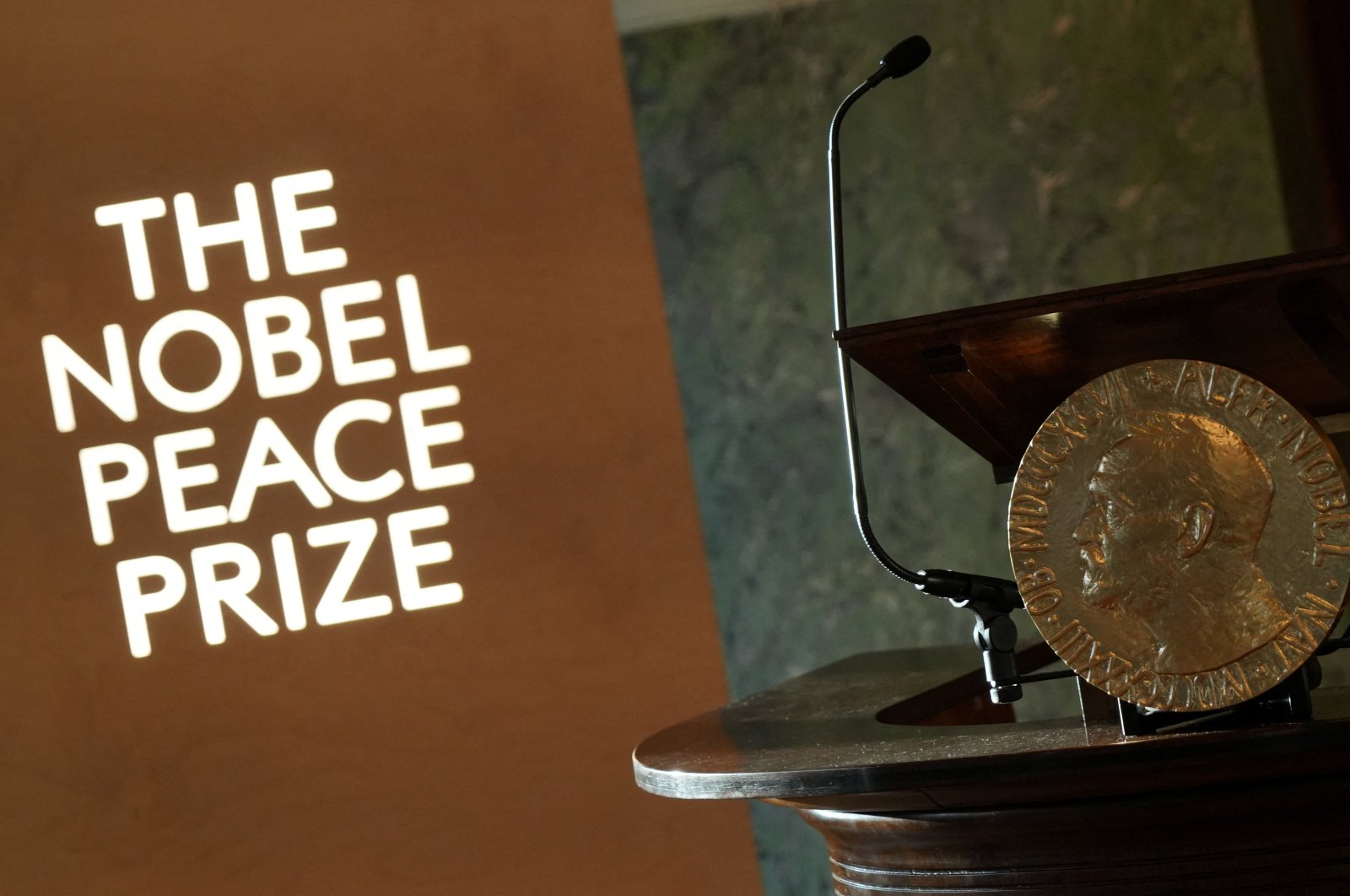
The 2026 prize carries an award of 12 million Swedish kronor. The official ceremony is scheduled for 10 December in Oslo, Norway, the anniversary of Alfred Nobel’s death.
Who Is Navi Pillay?
Navanethem Pillay was born in Durban, South Africa, in 1941. She grew up during apartheid, a system of racial segregation and discrimination that denied basic rights to the country’s Black population and other communities.
As a lawyer, Pillay challenged racial injustice and defended people facing political oppression. Her legal career developed during a period when opposition to apartheid carried serious risks.
Her work later expanded beyond South Africa, bringing her into international legal institutions and the United Nations. She became known for her efforts to promote human rights, protect vulnerable communities and strengthen accountability for serious crimes.
Her Role in International Courts
Navi Pillay held several important positions in international justice. She served as a judge and later president of the International Criminal Tribunal for Rwanda, which was established to prosecute people responsible for genocide and other serious crimes committed during the 1994 Rwandan genocide.
She also served as a judge at the International Criminal Court (ICC), a permanent court based in The Hague, Netherlands. The ICC prosecutes individuals accused of genocide, crimes against humanity, war crimes and the crime of aggression, subject to its jurisdiction.
These institutions aim to ensure that serious international crimes do not go unanswered. Their work can be difficult because investigations and prosecutions often involve political pressure, complex evidence and disputes over national sovereignty.
Navi Pillay and the United Nations
Pillay served as the United Nations High Commissioner for Human Rights from 2008 to 2014. In this role, she worked to promote human rights and draw attention to abuses across different countries.
The High Commissioner leads the UN human rights office, which monitors human rights concerns, supports international standards and works with governments and civil society.
Pillay has also been involved in international investigations into alleged violations during conflicts. Her work has included issues relating to the occupied Palestinian territory, including allegations concerning the war in Gaza. These findings have been strongly disputed by Israel, making the subject part of wider international legal and political debate.
Why International Law Matters Today
The award comes amid continuing wars, humanitarian crises and disputes over the enforcement of international law. Conflicts in Gaza, Ukraine, Sudan and other regions have raised questions about civilian protection, responsibility for violations and the role of international institutions.
The International Criminal Court and other legal bodies face challenges in carrying out investigations when governments refuse to cooperate or when suspects remain beyond their reach. International courts also depend on states to enforce many of their decisions and arrest warrants.
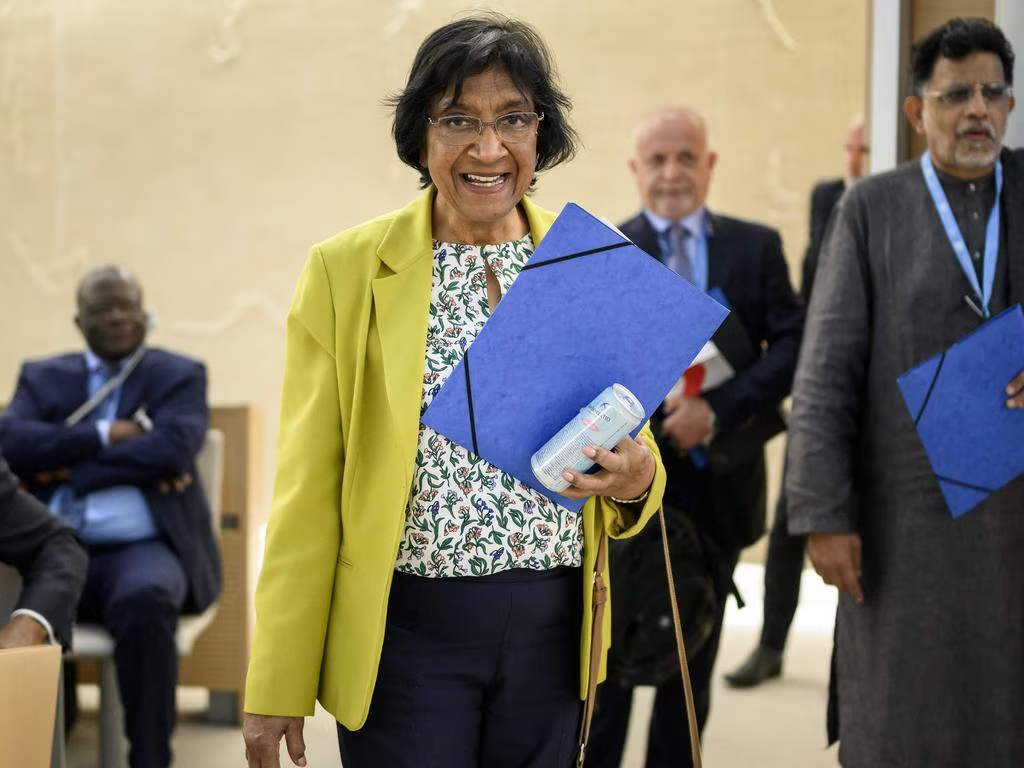
Pillay’s recognition draws attention to the importance of independent legal processes, evidence-based investigations and equal application of international law. Supporters argue that accountability can help victims seek justice and discourage future abuses, although legal proceedings alone cannot end wars or resolve every political dispute.
Nobel Peace Prize 2026: Award Details
The Nobel Peace Prize is awarded by the Norwegian Nobel Committee, whose members are appointed by the Norwegian Parliament. The first Nobel Prizes were presented in 1901, following the will of Swedish inventor Alfred Nobel.
The Peace Prize is presented in Oslo, unlike the other Nobel Prizes, which are presented in Stockholm. The 2026 announcement took place on 9 October, and the award ceremony is scheduled for 10 December.
Pillay’s award places international justice and human rights at the centre of this year’s recognition. Her career reflects the continuing debate over how the global community can protect civilians, respond to mass atrocities and ensure that serious crimes are investigated through legal processes.