

Disengagement Agreement Explained

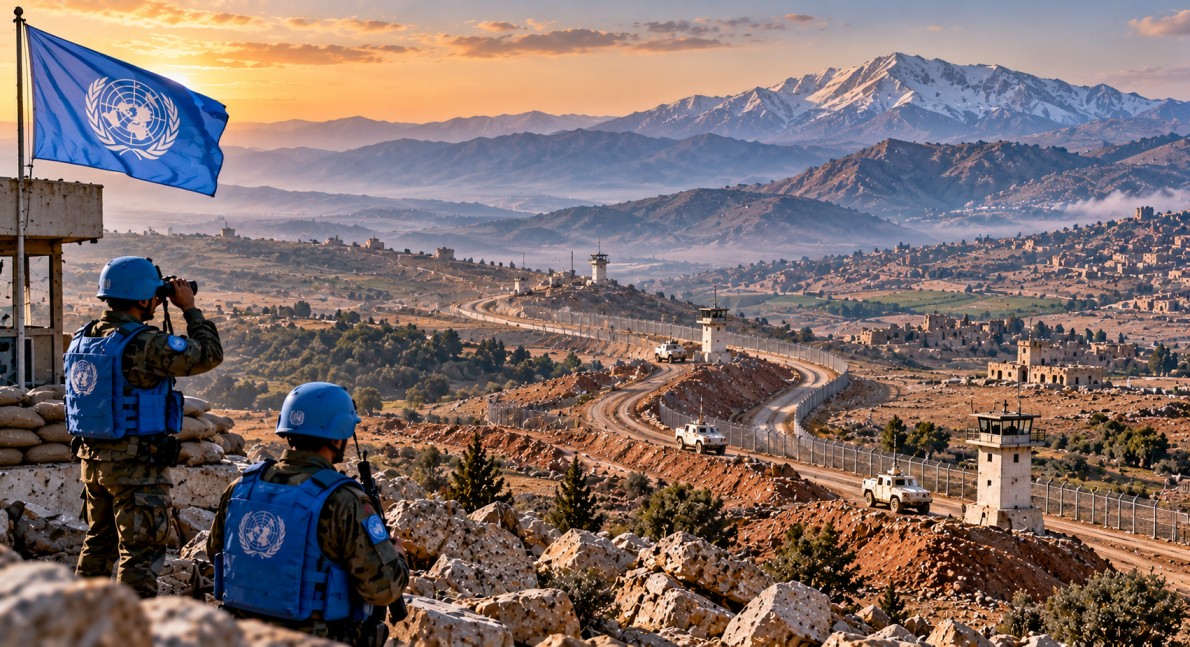
Disengagement Agreement arrangements help opposing forces stop fighting, maintain distance and reduce the risk of renewed conflict. They are especially important in regions where ceasefire lines and disputed borders remain sensitive. The 1974 Israel-Syria Disengagement Agreement is a key example. It created an area of separation in the Golan Heights and established a role for the United Nations in monitoring the security arrangements.
Thank you for reading this post, don't forget to subscribe!What Is an Armistice or Disengagement Agreement?
An armistice is a formal arrangement to stop fighting between opposing forces. However, it does not necessarily end a war or resolve the political issues behind it. A peace treaty, by contrast, is intended to establish a broader settlement between the parties.
A disengagement agreement focuses on separating military forces. It may define withdrawal lines, establish restricted areas and limit the number of troops or weapons near a sensitive border. International observers may be deployed to monitor compliance and report possible violations.
These arrangements aim to reduce accidental clashes, create space for diplomatic talks and prevent local incidents from turning into a wider conflict.
The 1974 Israel-Syria Disengagement Agreement
Israel and Syria signed the Agreement on Disengagement of Forces on 31 May 1974, following the 1973 Arab-Israeli War, also known as the Yom Kippur War. The agreement established a ceasefire framework and arrangements for separating the two armies along the Golan front.
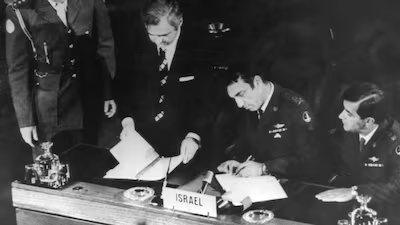
The Golan Heights had been captured by Israel from Syria during the 1967 Six-Day War. Fighting in 1973 increased the risk of further escalation, making a formal separation arrangement important for both sides.
The agreement established an Area of Separation between Israeli and Syrian forces. It also set restrictions on military deployments in nearby areas. These provisions were designed to reduce direct contact between the armies and create a more stable security environment.
However, the agreement did not settle the wider dispute over the Golan Heights or resolve the conflict between Israel and Syria.
UNDOF and Its Role in Monitoring the Agreement
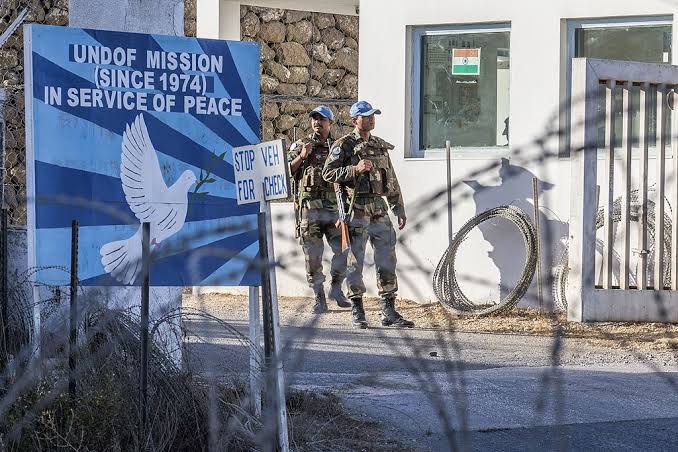
The United Nations Disengagement Observer Force (UNDOF) was established by UN Security Council Resolution 350 on 31 May 1974. Its main responsibility is to supervise the ceasefire and monitor the Area of Separation under the agreement.
UNDOF uses observation posts and patrols to monitor developments along the Golan front. It also reports relevant incidents and helps maintain communication between the parties.
The mission’s role is important because agreements depend on more than written commitments. Regular monitoring, access to sensitive areas and cooperation from the parties are essential for maintaining stability.
UNDOF does not independently resolve the territorial dispute. Its work is focused on carrying out the responsibilities set out in its mandate.
Why the Golan Heights Is Strategically Important
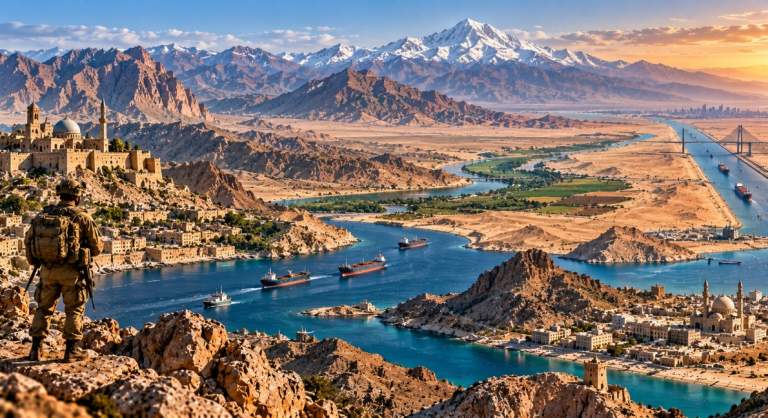
The Golan Heights is a rocky plateau captured by Israel from Syria in 1967. Its elevated terrain offers important observation and defence advantages. The area is also connected to regional water resources, adding to its strategic value.
Israel extended its laws and administration to the Golan Heights in 1981. The United Nations Security Council declared this action null and void in Resolution 497. Most of the international community does not recognise Israeli sovereignty over the territory.
Mount Hermon, near the borders of Syria and Lebanon and the Israeli-controlled Golan Heights, is another strategically important feature. Its high ground provides wide views across surrounding areas and has significance for military surveillance.
The location of the Golan Heights makes it central to Israel-Syria relations and wider regional security discussions.
Sufa 53: Military Construction in Southern Syria
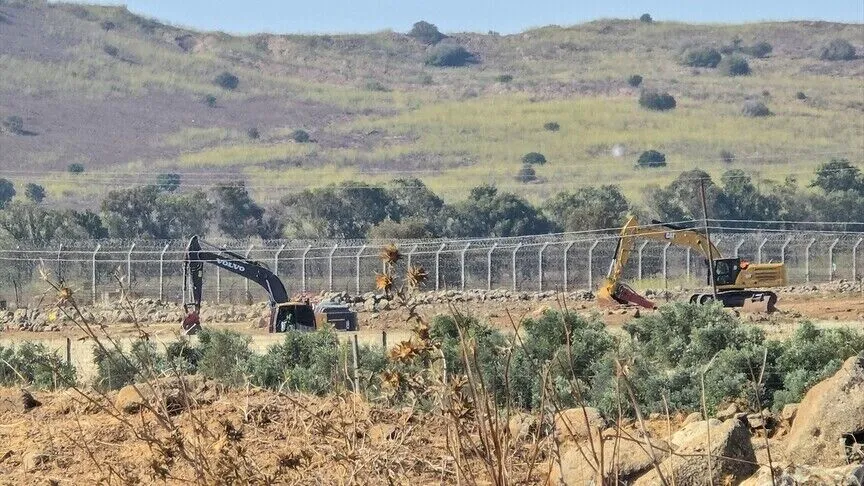
The Sufa 53 project, also called the Sufa Line or Great Storm, has drawn attention to the security situation in southern Syria. Reports describe it as an Israeli military and engineering project involving a fortified route, trenches, earth berms and observation positions near the Golan Heights separation area.
The project has been reported in the southern Quneitra countryside, with construction activity associated with areas near Hader and other nearby communities. Reports have described a military route around eight metres wide and earth berms reaching several metres in height. These specific measurements and the full extent of the work should be treated as reported details rather than independently confirmed facts.
Syrian sources have alleged that Israeli military activity has crossed into the Area of Separation and affected agricultural land. Such claims raise questions about compliance with the 1974 agreement, although each alleged violation requires careful assessment against the agreement and verified conditions on the ground.
Regional Reactions and Recent Developments
The security situation in southern Syria became more sensitive after the fall of Bashar al-Assad’s government in December 2024. Israel expanded its military activity in and around the separation area, citing security concerns. Syria and several regional governments have criticised Israeli actions and raised concerns about Syrian sovereignty.
In October 2026, Qatar, Jordan and Kuwait condemned reported construction associated with the Sufa 53 project. Türkiye also criticised Israeli activity in the area. These reactions reflect wider concern that changes along the separation line could weaken existing arrangements and increase regional tensions.
The 1974 agreement remains important in this situation because it provides a framework for separating Israeli and Syrian forces. Continued monitoring by UNDOF, respect for the agreed restrictions and diplomatic communication are central to preventing further escalation.
Why Disengagement Agreements Matter Today
Disengagement agreements remain useful in conflicts where opposing forces cannot reach a comprehensive peace settlement. They can reduce the risk of direct confrontation, establish clear military boundaries and provide international observers with a framework for monitoring events.
However, these arrangements have limits. They cannot resolve territorial disputes by themselves, and their effectiveness may weaken when parties disagree over the terms or carry out military activities near restricted areas.
The situation around the Golan Heights shows how a decades-old agreement can remain central to present-day security concerns. Its future effectiveness depends on compliance with its terms, credible monitoring and sustained diplomatic efforts.