Cross River Gorilla Faces Urgent Threats as Population Dwindles

The Cross River Gorilla remains one of the rarest and most elusive primates on the planet. Inhabiting the mountainous regions along the Nigeria-Cameroon border, fewer than 300 individuals are estimated to survive in the wild today. Conservationists warn that without immediate and coordinated efforts, this unique subspecies could vanish within decades. The challenges they face, from habitat loss to poaching, highlight the fragility of Africa’s biodiversity and the pressing need for action.
Thank you for reading this post, don't forget to subscribe!Habitat of the Cross River Gorilla
The Cross River Gorilla thrives in dense, remote forests along the Nigeria-Cameroon border. Key habitats include the Cross River basin, the Afi and Mbe Mountains, and Takamanda National Park. These regions are characterized by steep terrain, thick rainforest, and bamboo groves at elevations ranging from 1,500 to 3,500 meters. Such remote locations make sightings extraordinarily rare and research extremely challenging. The species’ survival depends heavily on the preservation of these isolated and fragile ecosystems.
Distinctive Features of the Cross River Gorilla
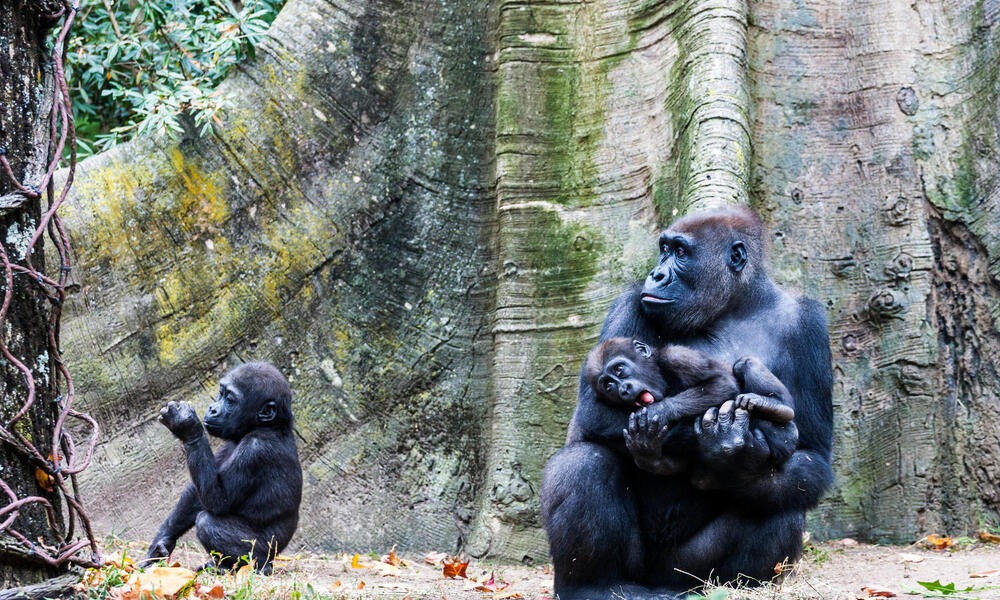
Scientifically known as Gorilla gorilla diehli, the Cross River Gorilla displays unique physical traits that set it apart from other western gorillas. Their fur ranges from brownish-grey to black, often with a distinctive reddish crest on their cone-shaped heads. Adult males, known as silverbacks, develop silver patches on their backs, signaling their dominance within the group. This silverback leads the family unit, playing a critical role in decision-making, protection, and social cohesion.
Social Structure and Behaviour of the Cross River Gorilla
The Cross River Gorilla lives in small family groups of 2 to 20 individuals. The silverback male leads the group, guiding feeding routines, nesting, and defense. Nests are intricately built using branches and leaves, either on the forest floor or elevated in trees during the rainy season. Their diet primarily consists of leaves, nuts, berries, and lianas. Despite foraging near local farmlands, they rarely damage crops, making them less of a nuisance compared to other wildlife species. The gorillas exhibit strong social bonds and intelligence, displaying behaviors such as coordinated foraging and intergroup communication.
Threats to the Cross River Gorilla
The Cross River Gorilla is critically endangered, with only 200 to 300 individuals surviving in fragmented habitats. Human activity is the primary threat to their survival. Poaching for bushmeat and the illegal pet trade has caused drastic population declines. Meanwhile, habitat destruction due to deforestation and agricultural expansion isolates groups, reducing food availability and increasing vulnerability. Infectious diseases such as Ebola pose additional risks, while natural predators like crocodiles and large jungle cats remain minor threats compared to human pressures. Furthermore, slow reproductive rates, with females giving birth once every four years and extended infant dependency, limit population recovery. Lifespans of 35 to 50 years further emphasize the urgency of protection.
Conservation Efforts for the Cross River Gorilla
Efforts to conserve the Cross River Gorilla rely on protecting their natural habitats rather than captive breeding, as the last captive individual died in 2016. Sanctuaries like the Afi Mountain Wildlife Sanctuary play a crucial role in research, habitat preservation, and community education. International and local organizations work together to enforce anti-poaching measures and engage local communities in sustainable practices. Wildlife documentaries and ecotourism initiatives have brought global attention to the plight of this subspecies, highlighting its ecological importance and the need for urgent action. Public education programs emphasize that protecting the Cross River Gorilla also safeguards broader forest ecosystems, which support numerous other species and help combat climate change.
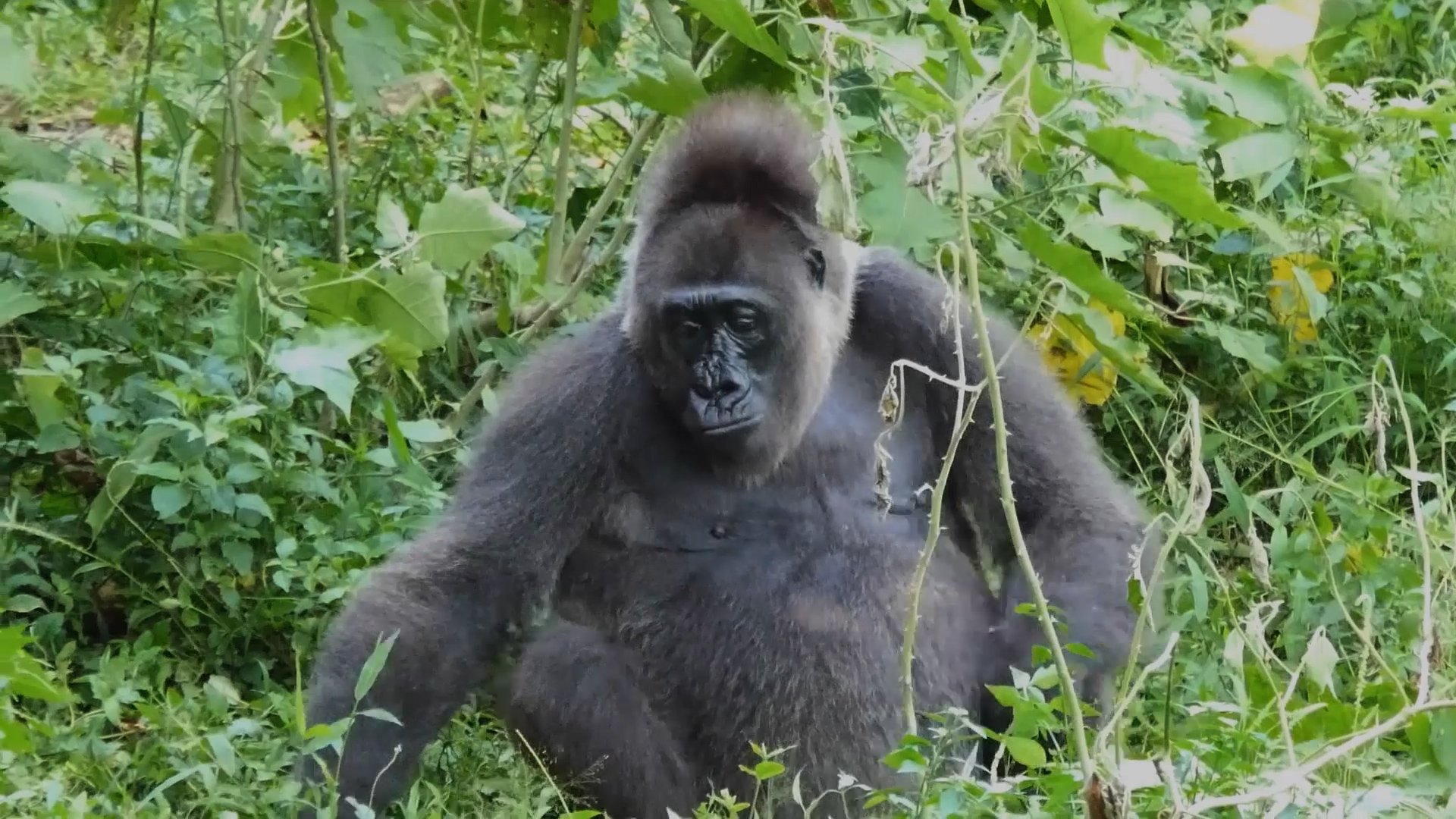
The Cross River Gorilla stands as a symbol of Africa’s endangered biodiversity. Its survival hinges on continued conservation, research, and awareness efforts that connect local communities, governments, and international organizations. Protecting this rare primate ensures that future generations may witness one of the world’s most remarkable and elusive species thriving in its natural habitat.