Delhi Bharat Taxi Tie-up Brings a New Chapter for Urban Mobility

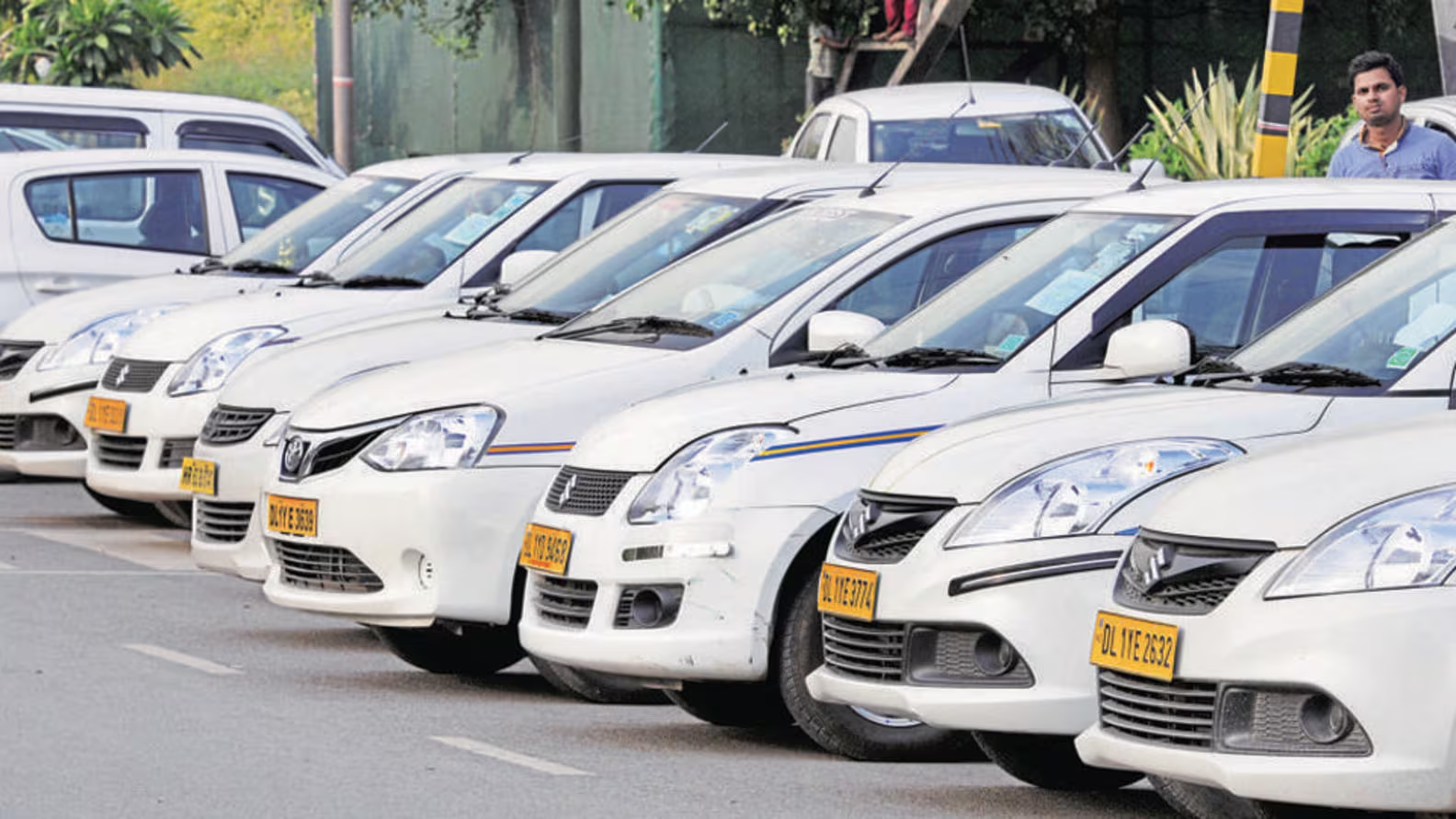
The Delhi Bharat Taxi Tie-up marks an important step in the way taxi services are planned and delivered in the national capital. Delhi has become the first state in India to formally partner with Bharat Taxi’s cooperative mobility platform. This move is aimed at creating a safer, more reliable and transparent taxi system for residents and tourists, while also improving income security, dignity and welfare for taxi drivers. The initiative reflects a shift toward organised, driver-owned mobility backed by modern technology and public support.
Thank you for reading this post, don't forget to subscribe!A Landmark Partnership for the Capital
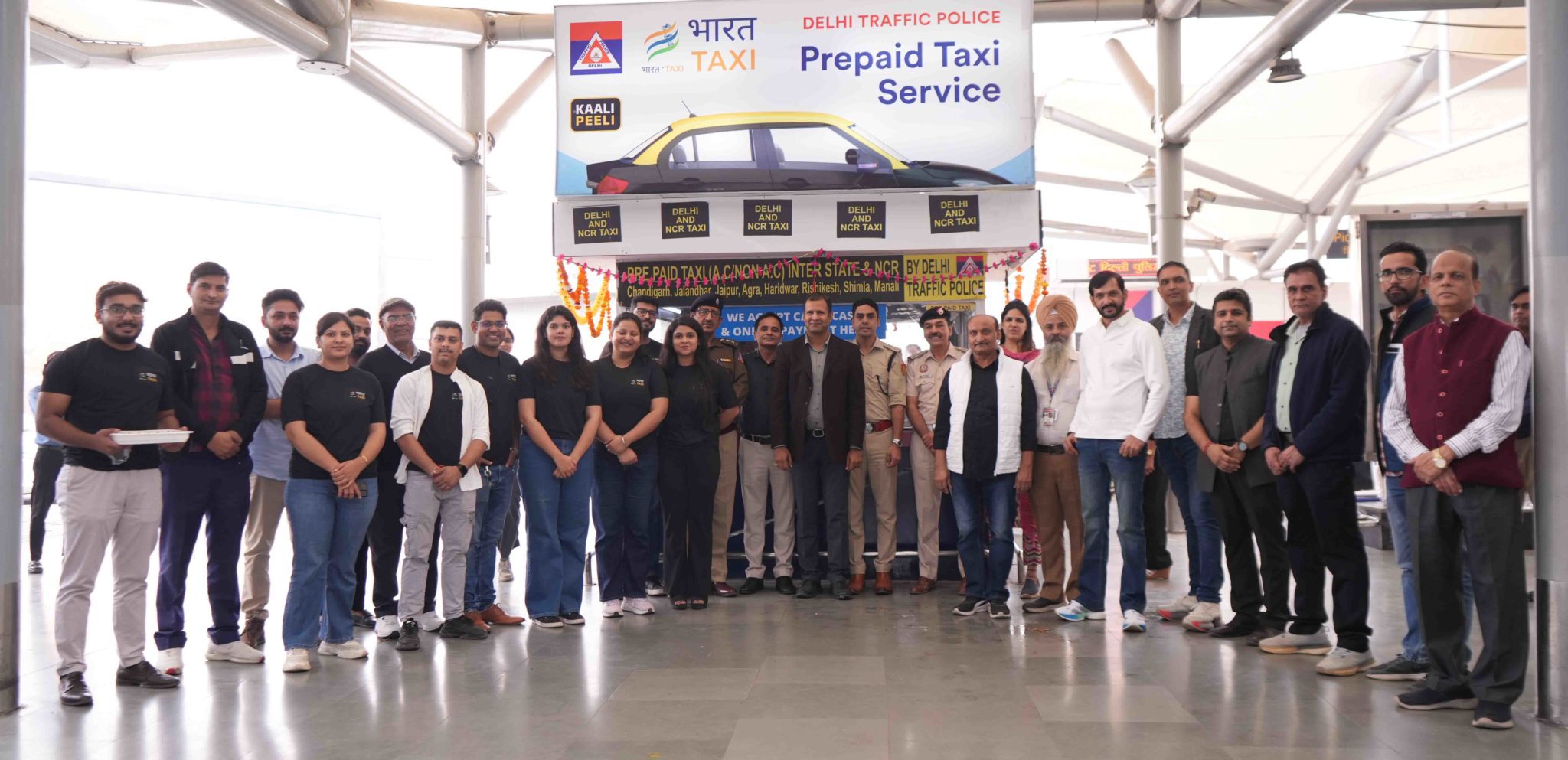
The partnership was formalised through a Memorandum of Understanding signed by the Delhi Tourism and Transportation Development Corporation and Sahkar Taxi Cooperative Limited, the cooperative arm of Bharat Taxi. The agreement was signed in the presence of Delhi Chief Minister Rekha Gupta and Tourism Minister and DTTDC Chairman Kapil Mishra, along with senior officials and cooperative representatives.
This collaboration connects the government’s public service goals with a driver-owned, technology-enabled mobility model. It signals Delhi’s intent to support ethical transport solutions that balance passenger needs with driver welfare.
Technology Meets Cooperative Ownership
At the heart of the Delhi Bharat Taxi Tie-up is a cooperative structure. Unlike many app-based taxi services where drivers work as independent contractors, this model gives drivers collective ownership and a voice in decision-making. Sahkar Taxi Cooperative Limited brings drivers together under a shared platform where earnings are more transparent and fairly distributed.
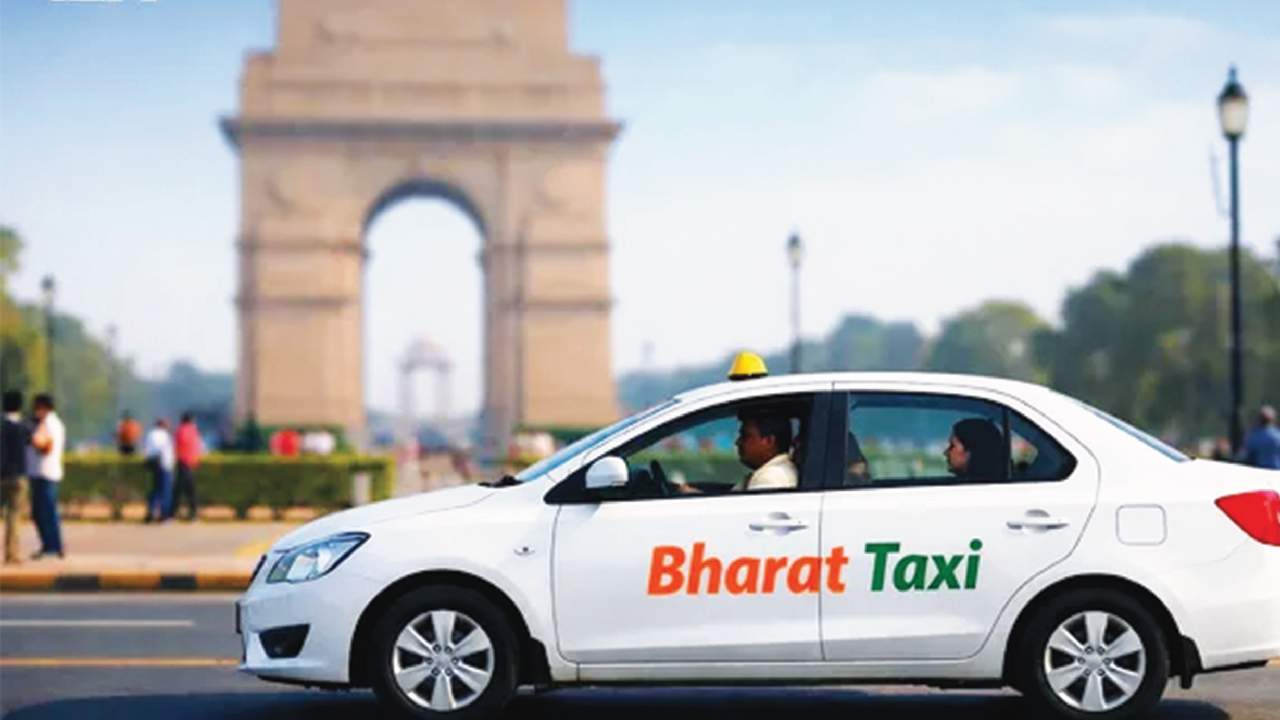
Bharat Taxi provides the digital backbone for the service. Bookings will be managed through technology-enabled systems that allow passengers to access taxis easily, see clear pricing and enjoy standardised service quality. This blend of technology and cooperation is expected to reduce disputes, increase trust and make daily travel smoother.
Role of DTTDC in Training and Branding
Under the agreement, DTTDC will act as the tourism and branding partner. One of its key roles is capacity-building for taxi drivers. Drivers will receive training in soft skills, customer interaction and basic communication to ensure a pleasant experience for passengers. They will also be sensitised to Delhi’s culture, history and heritage.
This approach positions taxi drivers as more than just transport providers. For many visitors, drivers are the first people they interact with in the city. By equipping drivers with local knowledge and etiquette, the Delhi Bharat Taxi Tie-up aims to turn them into brand ambassadors for Delhi Tourism.
Curated Tourist Circuits and Daily Travel
The partnership introduces curated taxi-based travel products designed especially for tourists. These include two-hour, four-hour and full-day sightseeing circuits that cover major attractions in and around Delhi. Such structured packages are expected to make sightseeing easier, especially for first-time visitors who may be unfamiliar with local transport options.
In addition to tourism-focused services, the tie-up also strengthens point-to-point city travel. Residents can use these taxis for daily commuting, airport transfers and last-mile connectivity. With standard service protocols and technology-backed operations, the system aims to serve both tourists and locals efficiently.
Transparency and Better Travel Experience
One of the main goals of the Delhi Bharat Taxi Tie-up is to bring transparency into urban taxi services. Technology-enabled bookings mean passengers can know fares in advance, reducing confusion and overcharging. Standardised service guidelines help ensure consistency, whether someone is travelling a short distance within the city or spending a full day on a sightseeing circuit.
For the government, this organised approach helps reduce dependence on unstructured taxi services. For passengers, it builds confidence and comfort. For drivers, it creates a predictable work environment with better support systems.
Focus on Driver Welfare and Dignity
Driver welfare is a core pillar of this initiative. Through cooperative ownership, drivers retain a higher share of their earnings compared to many traditional models. They are not just service providers but stakeholders in the system. This structure promotes dignity of labour and financial stability.
The Delhi Government sees this partnership as a way to support inclusive economic growth. By improving working conditions and income security for drivers, the initiative contributes to social welfare while also strengthening the city’s transport infrastructure.
A Model with Wider Implications
The Delhi Bharat Taxi Tie-up is being closely watched as a potential model for other states. By combining public institutions, cooperative ownership and modern technology, it offers an alternative to purely corporate ride-hailing systems. The emphasis on transparency, training and welfare aligns with broader policy goals related to tourism promotion and ethical urban mobility.
This initiative shows how cities can rethink transport systems to serve multiple objectives at once. Passengers benefit from safer and more reliable services, drivers gain stability and respect, and the city strengthens its image as a tourist-friendly destination.
Moving Ahead with Organised Mobility
As the partnership rolls out across the capital, expectations are high. The success of the Delhi Bharat Taxi Tie-up will depend on effective implementation, continuous training and public awareness. If executed well, it can reshape everyday travel and tourism experiences in Delhi.
By placing drivers at the centre, using technology wisely and involving public institutions, the initiative sets a new direction for urban taxi services. It reflects a growing understanding that mobility is not just about moving people, but also about fairness, trust and shared growth in a rapidly changing city.