


Puri Municipal Corporation Upgrade Marks New Urban Phase

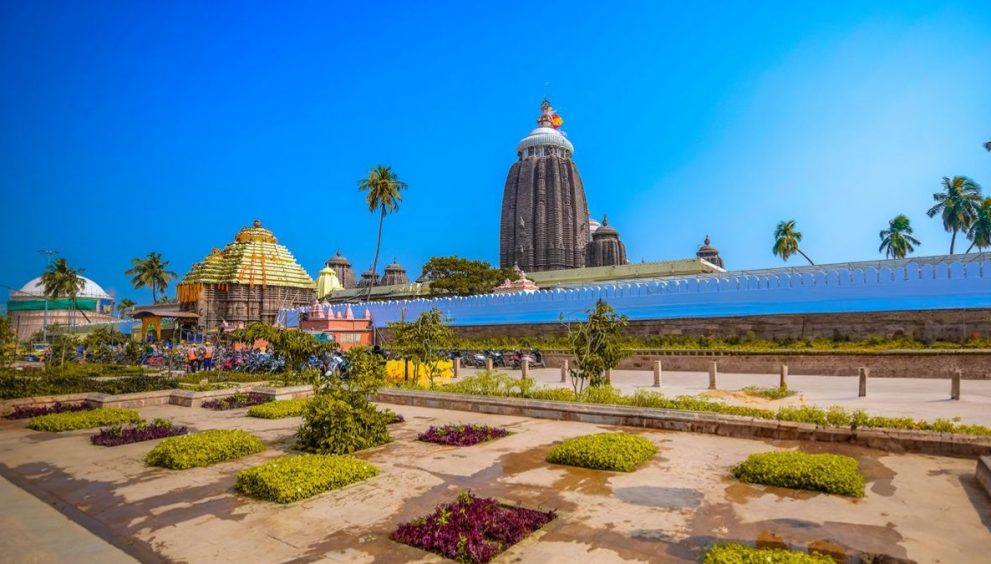
Puri Municipal Corporation Upgrade has become a key development in Odisha as the state government officially elevated Puri from a municipality to a Municipal Corporation. The announcement, made through a formal notification by the Housing and Urban Development Department, ends a long wait for residents of the historic coastal city. Known worldwide for the Jagannath Temple and its cultural heritage, Puri now enters a new phase of urban growth and governance.
Thank you for reading this post, don't forget to subscribe!This move places Puri among the state’s top urban centres and reflects Odisha’s broader push toward stronger city administration and improved public services. The decision was earlier indicated by Chief Minister Mohan Majhi and has now taken official shape.
Puri Municipal Corporation Upgrade and Odisha’s Urban Landscape
With this upgrade, Puri has become the sixth Municipal Corporation in Odisha, joining Bhubaneswar, Cuttack, Berhampur, Sambalpur and Rourkela. These cities serve as major hubs for administration, economy, education and tourism.
The inclusion of Puri in this list highlights its growing importance not only as a religious centre but also as an expanding urban area. Over the years, the city has seen increasing pressure on infrastructure due to rising population, tourist inflow and seasonal pilgrimage crowds. The new status aims to address these challenges more effectively.
Puri Municipal Corporation Upgrade and Administrative Strength
Municipal Corporation status brings greater administrative authority and flexibility. The city administration will now have enhanced powers to plan and manage urban development projects. Decision-making is expected to become faster and more structured, allowing officials to respond better to local needs.
For residents, this change is likely to mean more organised civic management. Areas such as road maintenance, drainage systems, street lighting and waste collection can now be handled on a larger scale with improved coordination.
Puri Municipal Corporation Upgrade and Better Civic Services
One of the most important outcomes of the upgrade is the expected improvement in daily civic services. Puri faces unique challenges due to its coastal location and heavy footfall of pilgrims and tourists throughout the year.
With municipal corporation status, the city can invest more in:
- Clean drinking water supply
- Modern sanitation systems
- Solid waste management
- Traffic and road improvement
- Flood control and coastal protection
These upgrades are especially important during major festivals like the Rath Yatra, when the city hosts lakhs of visitors.
Puri Municipal Corporation Upgrade and Access to Funding
Another key benefit of the Puri Municipal Corporation Upgrade is better access to central and state government funding. Cities with municipal corporation status are eligible for a wider range of urban development schemes.
This funding can support large infrastructure projects, including heritage conservation, public transport facilities and smart city-style initiatives. Given Puri’s religious and tourism value, such support can help balance development with preservation of cultural identity.
Puri Municipal Corporation Upgrade and Tourism Growth
Tourism is the backbone of Puri’s economy. Every year, millions of pilgrims and visitors arrive from across India and abroad. The new administrative structure is expected to improve facilities for tourists, including better roads, cleaner surroundings, improved public toilets and enhanced safety measures.
Stronger urban planning can also help manage crowd movement and reduce congestion during peak seasons. Improved public amenities will benefit not only visitors but also local residents who depend on tourism-related livelihoods.
Puri Municipal Corporation Upgrade and Heritage Protection
Puri is one of India’s oldest living cities, deeply rooted in tradition and spirituality. Urban growth often raises concerns about the protection of heritage sites and coastal ecology.
With more resources and planning authority, the city administration can focus on heritage-sensitive development. Restoration of old structures, better maintenance of temple surroundings and protection of beaches can be taken up more systematically under the new setup.
Puri Municipal Corporation Upgrade and Statewide Urban Reforms
Alongside the Puri upgrade, the Odisha government has announced other urban changes as part of its New Year initiatives. Four towns Loisingha in Bolangir, Chandikhol in Jajpur, Jashipur in Mayurbhanj and Basta in Balasore have been declared as Notified Area Councils.
This move reflects the state’s intention to bring growing towns under structured urban governance. Additionally, the expansion of the Berhampur Municipal Corporation limits shows a broader plan to reorganise urban boundaries in line with population growth and development needs.
Puri Municipal Corporation Upgrade and Local Expectations
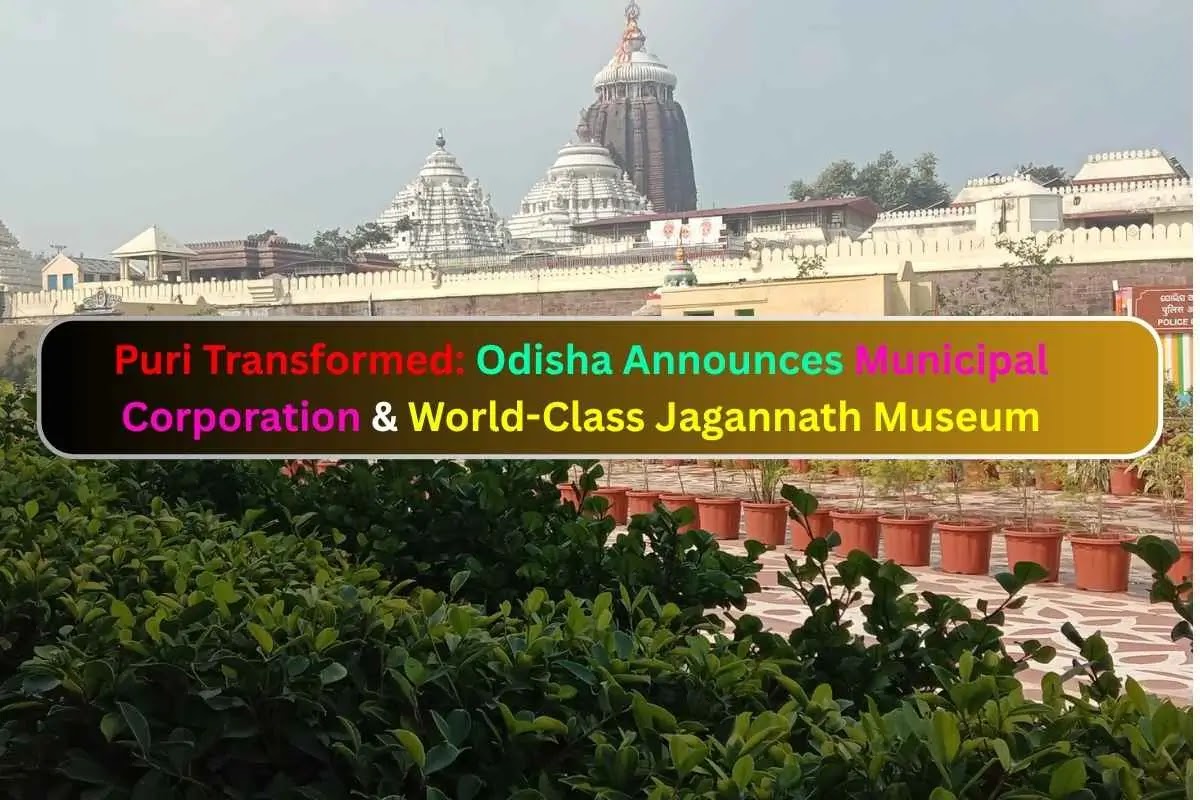
For the people of Puri, the upgrade has raised expectations of a better quality of life. Improved cleanliness, smoother roads, better drainage and efficient public services are among the top hopes.
Local businesses, shop owners and service providers also expect benefits from improved infrastructure and increased tourist satisfaction. With proper planning, the city can grow economically while maintaining its spiritual and cultural essence.
Puri Municipal Corporation Upgrade and Coastal City Challenges
As a coastal city, Puri faces challenges such as erosion, cyclones and rising sea levels. Municipal corporation status allows better coordination with disaster management agencies and environmental bodies.
Stronger planning can help develop resilient infrastructure, protect coastal zones and ensure faster response during natural events. This is increasingly important as climate-related risks continue to affect coastal regions.
Puri Municipal Corporation Upgrade and the Road Ahead
The transformation of Puri into a Municipal Corporation marks a significant step in Odisha’s urban journey. It reflects changing needs, rising population pressures and the growing importance of sustainable city planning.
As implementation begins, the success of this upgrade will depend on transparent governance, citizen participation and balanced development that respects Puri’s spiritual heritage while embracing modern urban needs.