
India Israel Free Trade Talks Begin With Focus On Stronger Economic Partnership

India Israel Free Trade Talks have entered a crucial phase with the launch of the first round of negotiations in New Delhi from 23 to 26 February 2026. These discussions mark an important step in strengthening economic ties between India and Israel, two countries that already share close cooperation in defence, technology, agriculture, and innovation. The proposed Free Trade Agreement is expected to provide a clear and stable framework for businesses and investors while opening new opportunities for growth on both sides.
Thank you for reading this post, don't forget to subscribe!Background Of The Trade Talks
The current negotiations follow the signing of the Terms of Reference in November 2025. This document set the foundation for structured and focused discussions on a wide range of trade and economic issues. With the framework now in place, both sides have moved quickly to begin technical-level talks, reflecting their shared intent to deepen economic cooperation.
Bilateral merchandise trade between India and Israel reached USD 3.62 billion in the financial year 2024–25. While this figure shows steady engagement, both governments believe that the actual potential of the partnership is far greater. The proposed agreement aims to unlock this potential by reducing trade barriers and improving ease of doing business.

Areas Covered In The Negotiations
The scope of the India Israel Free Trade Talks is broad and modern. Experts from both countries are holding detailed discussions on trade in goods and services. These talks include rules of origin, which are essential to determine which products qualify for trade benefits under the agreement. Sanitary and phytosanitary measures are also being discussed to ensure that agricultural and food products meet health and safety standards.
Another key focus is technical barriers to trade. By aligning standards and regulations, both sides aim to make it easier for products to move across borders. Customs procedures and trade facilitation are also part of the agenda, with an emphasis on faster clearances, digital processes, and reduced paperwork.
Intellectual property rights and regulatory cooperation are being addressed as well. These areas are especially important for sectors such as pharmaceuticals, technology, and innovation driven industries, where protection of ideas and predictable rules play a major role.
Strategic Timing Of The Negotiations
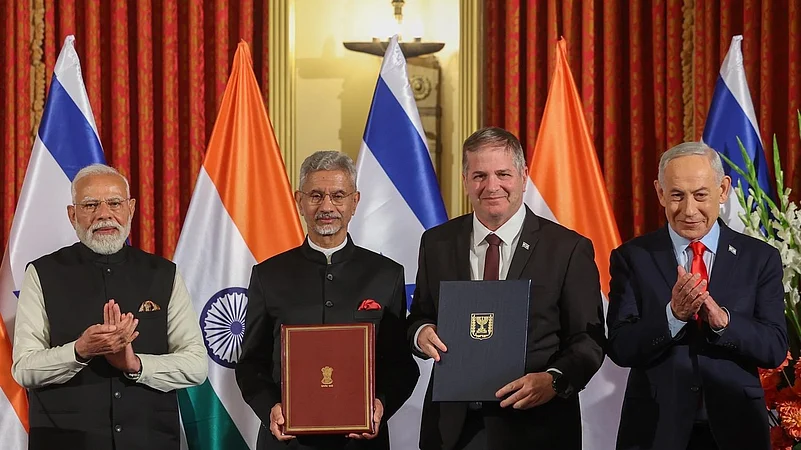
The timing of the talks carries strong political and strategic significance. The opening session coincided with Prime Minister Narendra Modi’s visit to Israel on 25 and 26 February 2026. This overlap highlights the high level of political support for the trade agreement and signals a shared vision for the future of the bilateral relationship.
Senior officials described the timing as ideal, pointing to growing cooperation in science and technology, artificial intelligence, cybersecurity, high technology manufacturing, agriculture, and services. These sectors are expected to benefit directly from a comprehensive trade framework that supports innovation and cross border collaboration.
A Balanced And Future Ready Agreement
Both sides have stressed the importance of balance in the agreement. India’s Chief Negotiator Ajay Bhadoo underlined the need for a deal that supports an evolving partnership and reflects the development priorities of both countries. The goal is not only to expand trade volumes but also to ensure inclusive growth and mutual benefit.
Israel’s Chief Negotiator Yifat Alon Perel highlighted the potential of the agreement to strengthen supply chains and open new markets. She noted that closer economic integration could help businesses from both countries become more resilient in a changing global trade environment.
Impact On Businesses And MSMEs
One of the key expectations from the India Israel Free Trade Talks is greater certainty and predictability for businesses. Clear rules and reduced barriers can help companies plan investments and expand operations with confidence. This is especially important for micro, small, and medium enterprises, which often face challenges in navigating complex trade regulations.
For Indian exporters, the agreement could improve access to the Israeli market in sectors such as textiles, engineering goods, chemicals, and pharmaceuticals. Israeli companies, on the other hand, may find new opportunities in India’s large and growing market, particularly in areas like water technology, agri tech, medical devices, and advanced manufacturing.
Strengthening Supply Chains And Innovation
The proposed agreement is also expected to play a role in strengthening supply chains. By improving cooperation and reducing delays, both countries can enhance the flow of goods and services. This is particularly relevant in a global context where supply chain disruptions have become more frequent.
Innovation driven sectors are likely to gain from closer ties. Collaboration in research, development, and technology transfer can be supported by clear trade and investment rules. This aligns well with India’s broader strategy of diversifying trade partnerships while promoting domestic manufacturing and innovation.
Broader Significance For Bilateral Relations
The trade talks underline how India Israel relations have expanded beyond traditional areas. Economic integration is now emerging as a central pillar of the partnership. A successful agreement would send a positive signal to global investors about the stability and openness of both economies.
As negotiations continue, attention will remain on how both sides address sensitivities while maintaining ambition. The focus on a comprehensive and forward looking framework suggests that the agreement, once finalised, could become a model for modern trade cooperation.