



Asia Oil Security Task Force: Japan’s New Proposal

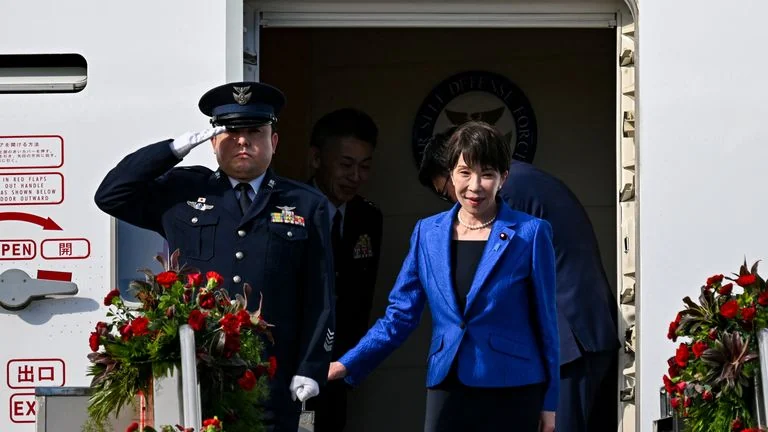
Asia Oil Security has become an important regional concern as Japan has proposed a new voluntary task force to improve cooperation among Asian countries during oil supply emergencies. Japanese Prime Minister Sanae Takaichi announced the proposal on 17 November 2026 in Manila, Philippines. The announcement was made at the Asia Zero Emission Community summit, held alongside the 49th Association of Southeast Asian Nations (ASEAN) Summit. The initiative aims to help Asian countries manage oil shortages through shared storage facilities, coordinated reserves and emergency supply arrangements.
Japan Proposes a Regional Oil Security Task Force
The proposed Asia Oil Security Task Force will provide a platform for Asian countries to work together on energy security. Its main purpose is to improve regional preparedness for unexpected disruptions in oil supplies.

Under the proposal, participating countries would coordinate the storage of oil and arrange the release of supplies during emergencies. This could help countries respond more effectively when international events interrupt the movement of crude oil and petroleum products.
Japan also plans to allow other Asian countries to use its unused oil storage capacity. Countries with limited storage facilities could benefit from this arrangement by keeping emergency supplies in Japan. This shared approach may reduce the pressure on individual countries to build large storage facilities of their own.
Cooperation with the Philippines
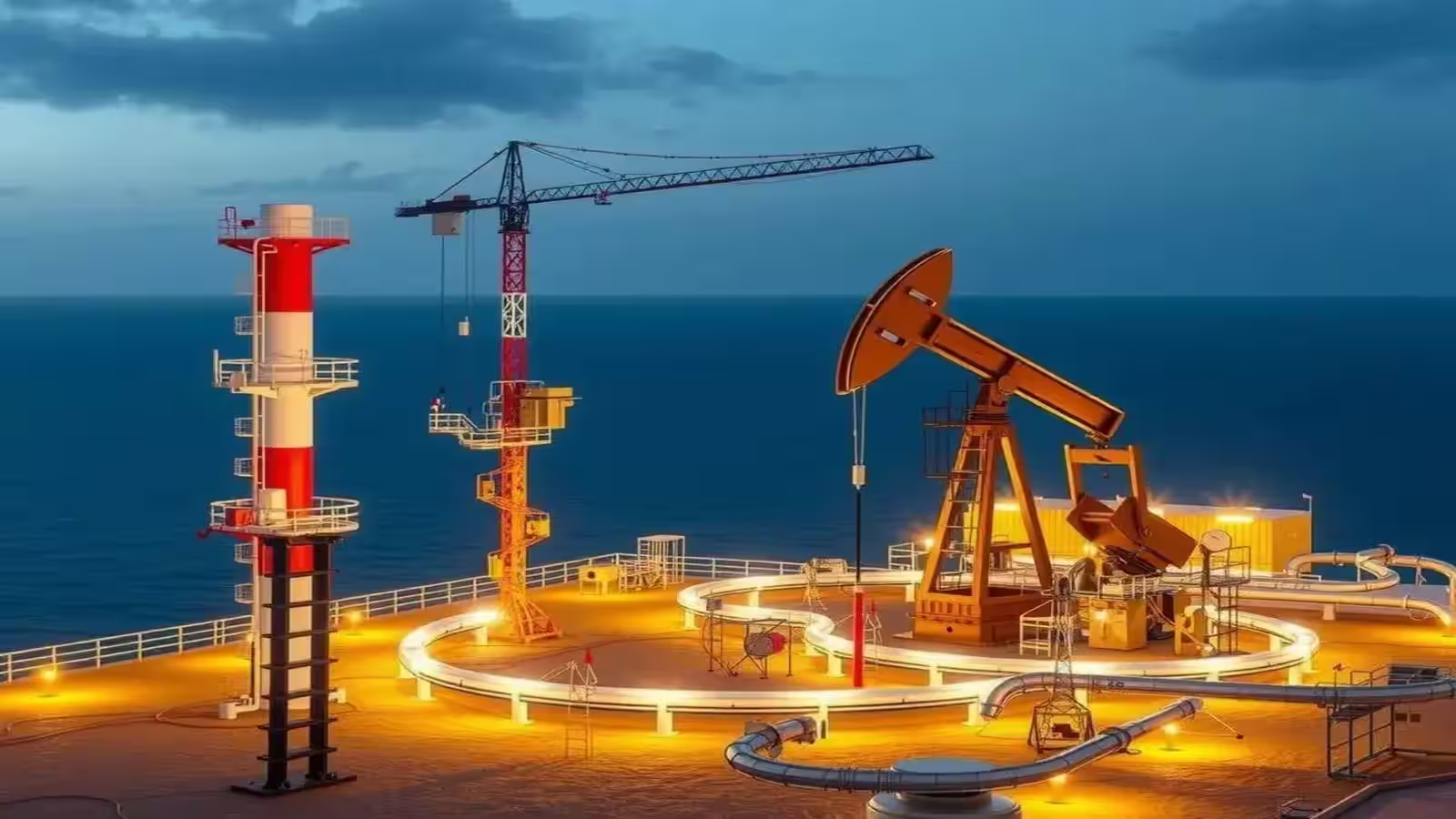
Japan’s proposal also includes cooperation with a joint oil stockpiling scheme led by the Philippines. The plan is expected to connect existing regional efforts and encourage countries to share resources during supply disruptions.
The Philippines has been working on regional cooperation to improve oil stockpiling arrangements. By coordinating with this initiative, Japan wants to develop a wider system in which Asian countries can support one another during energy emergencies.
Such cooperation is important for countries that depend heavily on imported oil. A sudden shortage can affect transportation, electricity generation, industries and the prices of essential goods.
An Asian Version of the International Energy Agency
Japan has also proposed creating an Asian version of the International Energy Agency (IEA). The proposed organisation could have a central hub in Tokyo.
The International Energy Agency is an important international organisation that works on energy security, energy policies and cooperation among its member countries. Japan’s proposal aims to develop a similar regional framework that considers the energy needs and challenges of Asian nations.
The new task force would work with the International Energy Agency and the Economic Research Institute for ASEAN and East Asia (ERIA). ERIA is based in Jakarta, Indonesia, and could serve as the secretariat for the proposed initiative.
This cooperation could help Asian countries improve information sharing, coordinate emergency measures and develop stronger regional energy policies.
Why Japan Proposed the Initiative
The proposal comes after serious disruptions in international oil supplies following the US-Israeli war with Iran, which began in February 2026. The conflict led to the effective closure of the Strait of Hormuz, one of the world’s most important routes for transporting oil.
The Strait of Hormuz connects the Persian Gulf with the Gulf of Oman and the Arabian Sea. A large share of global oil shipments passes through this narrow waterway. Any disruption in this route can affect international energy markets and create difficulties for countries that depend on imported oil.
Asian countries are particularly concerned because many of them rely on oil supplies transported through the Middle East. The recent disruption has highlighted the need for better emergency planning and alternative supply arrangements.
Japan’s Earlier Financial Support for Asian Countries
Japan had already taken steps to support regional energy security before announcing the new task force. In April 2026, the Japanese government launched a financial support framework worth US$10 billion for Asian countries with limited oil stockpiles.
The support was intended to help countries facing difficulties because of disruptions in oil supplies. It also reflected Japan’s interest in strengthening energy cooperation across Asia.
The proposed task force could build on these earlier efforts by creating a more organised system for sharing storage capacity and coordinating emergency oil supplies.
Role of the International Energy Agency
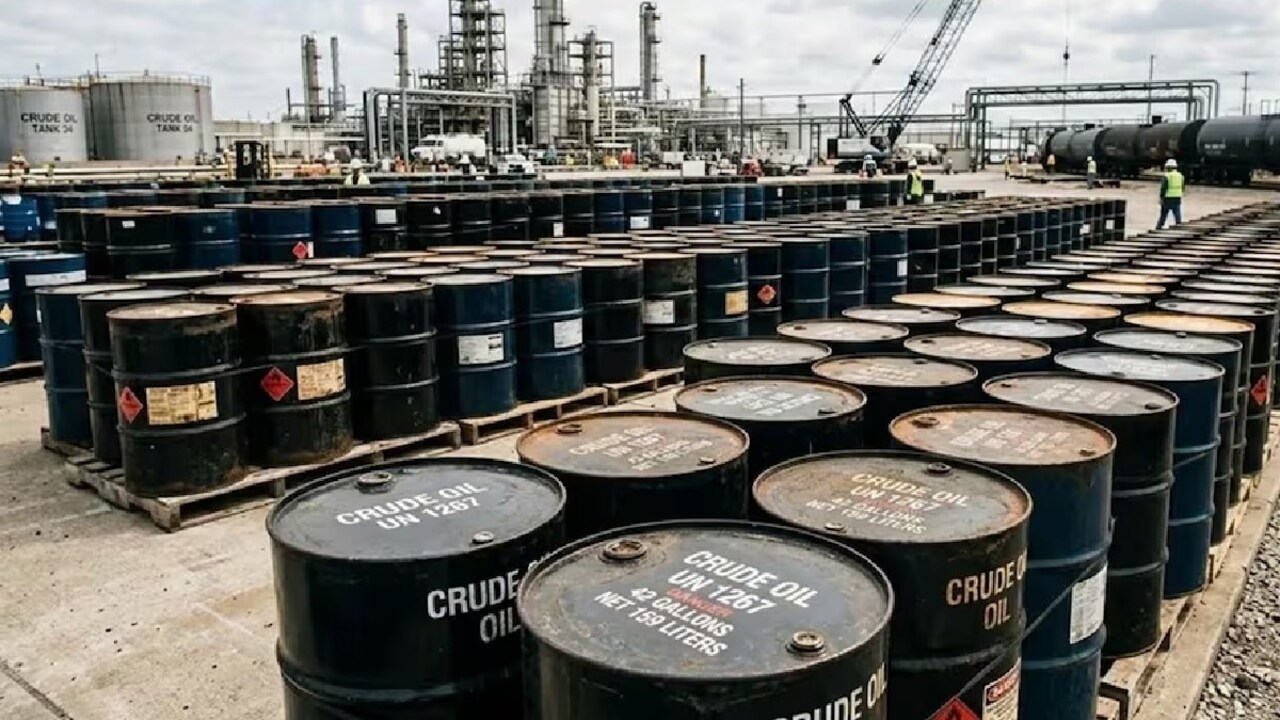
The International Energy Agency was established within the framework of the Organisation for Economic Co-operation and Development (OECD) after the 1973 oil crisis. Its creation was a response to concerns about the security of international oil supplies.
Full members of the IEA must also be members of the OECD. They are required to maintain emergency oil stocks equivalent to at least 90 days of net oil imports.
IEA members also agree to take collective action during major oil supply disruptions. These coordinated responses are designed to increase the amount of oil available in the global market and reduce the impact of shortages.
Japan’s proposed regional task force seeks to develop stronger cooperation among Asian countries, taking inspiration from this system.
Importance for Asia’s Energy Future
The Asia Oil Security Task Force could become an important platform for regional energy cooperation. Many Asian economies depend on imported crude oil to support transport, manufacturing, electricity production and other economic activities.
By sharing storage facilities and coordinating emergency supplies, countries may become better prepared for unexpected disruptions. The initiative could also encourage governments to improve their energy planning and strengthen cooperation with international organisations.
However, the proposal is voluntary, and its success will depend on the participation of Asian countries, the development of clear operating arrangements and agreement on how emergency supplies will be managed.
The initiative highlights Japan’s efforts to promote regional energy security at a time when geopolitical tensions and supply disruptions continue to create uncertainty in international oil markets.