UAE-WFP Sudan Aid Agreement: UAE Commits US$20 Million to Support Emergency Food Relief in Sudan

UAE-WFP Sudan Aid Agreement marks a significant step in strengthening humanitarian support for millions of people affected by Sudan’s ongoing conflict. The United Arab Emirates has signed a new cooperation agreement with the United Nations World Food Programme (WFP), pledging US$20 million to help deliver urgent food assistance to communities facing severe hunger, displacement, and economic hardship. This move reflects the UAE’s continued commitment to easing human suffering and supporting stability in one of the world’s most challenging humanitarian crises.
Thank you for reading this post, don't forget to subscribe!A Timely Response to a Growing Humanitarian Crisis
Sudan has been experiencing prolonged conflict that has disrupted daily life across large parts of the country. Fighting has damaged infrastructure, halted agricultural production in many regions, and made it difficult for families to access basic necessities. As a result, millions of people now face food shortages, rising prices, and limited income opportunities.
The new funding from the UAE aims to support emergency food operations that address these urgent needs. By working closely with the World Food Programme, the assistance will help reach communities where hunger levels are highest and where access to food has become increasingly uncertain.
What the Agreement Means in Practical Terms
Under the UAE-WFP Sudan Aid Agreement, the US$20 million grant will be used to accelerate WFP’s emergency response. This includes:
- Procuring and distributing essential food supplies
- Supporting food delivery to hard-to-reach areas
- Strengthening logistics and supply chains affected by conflict
The focus will be on areas experiencing intense fighting, displacement, and severe food insecurity. By providing predictable and timely funding, the agreement allows WFP to plan and scale up operations more effectively.
Support for Displaced People and Host Communities
One of the key priorities of this initiative is helping people who have been forced to flee their homes. Sudan’s conflict has created large numbers of internally displaced persons, many of whom are living in temporary shelters or with host families.
The assistance will also benefit Sudanese refugees who have crossed borders into neighbouring countries such as Chad, South Sudan, Uganda, and Ethiopia. These host countries are under increasing pressure as they try to meet the needs of growing refugee populations. The UAE’s support will help WFP provide food assistance in these areas, reducing the strain on local resources and improving living conditions for displaced families.
Institutional Cooperation Between UAE and WFP
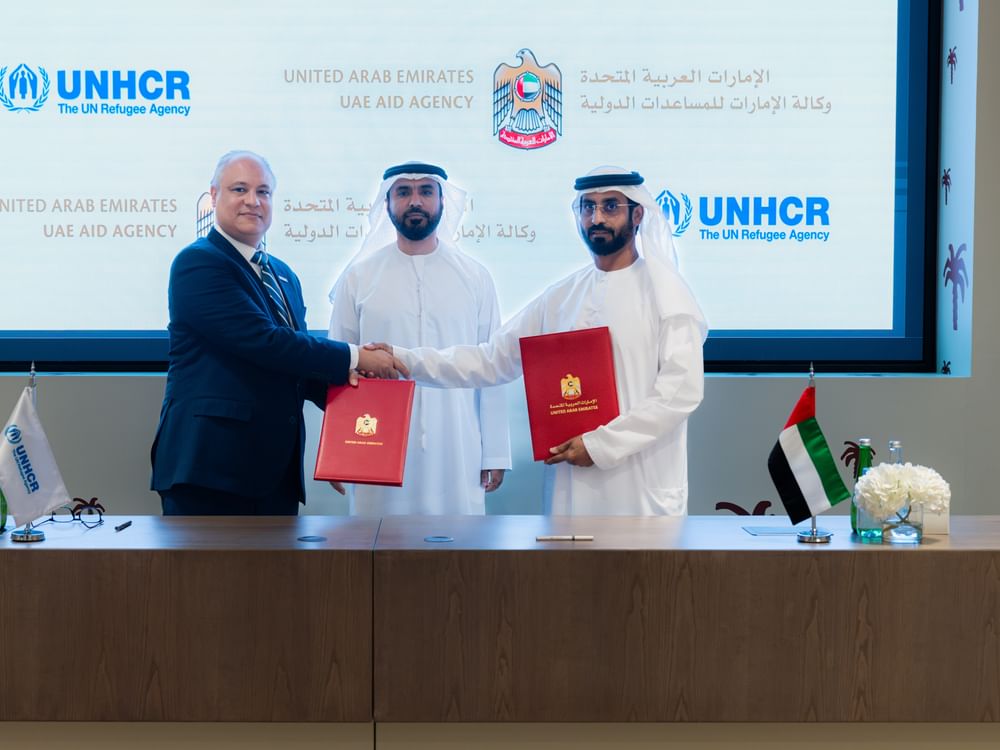
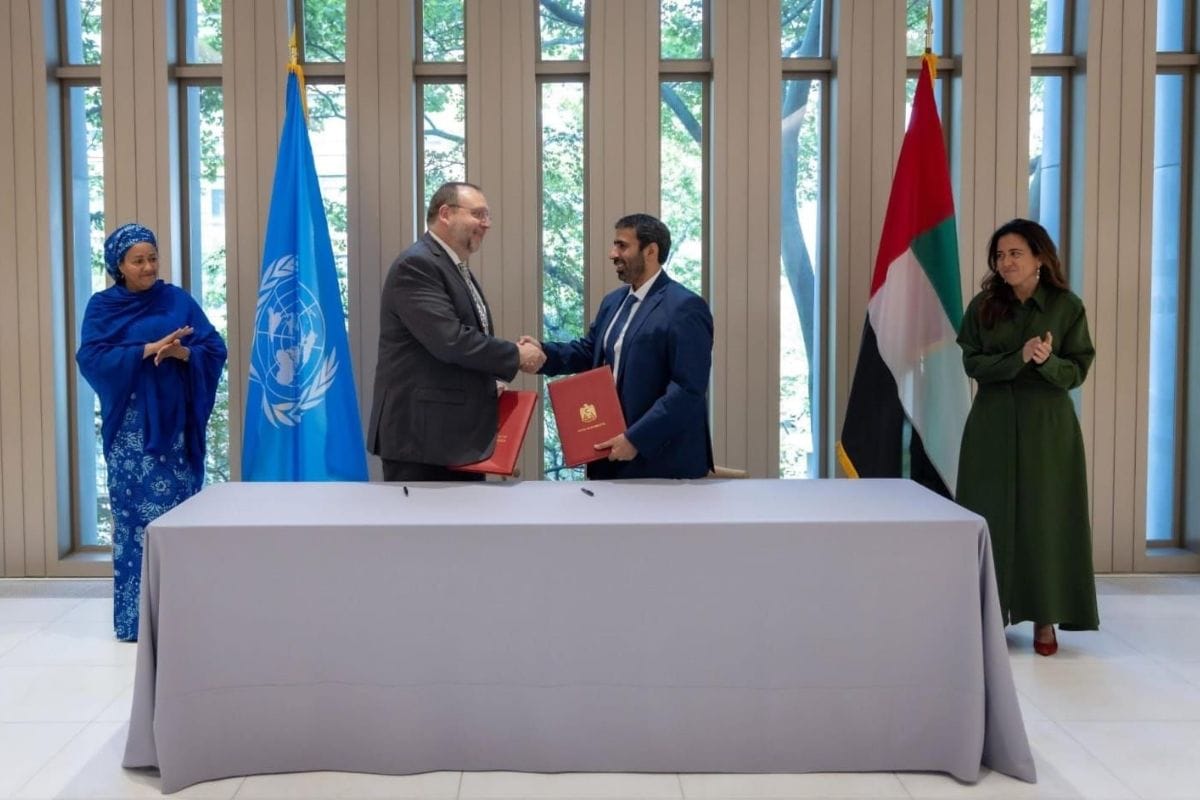
The agreement was signed through the UAE Aid Agency, highlighting the country’s structured and institutional approach to humanitarian assistance. The signing ceremony was attended by senior representatives from both sides, showing strong cooperation between the UAE and the United Nations system.
This partnership ensures that funds are used efficiently and directed toward priority needs. It also reflects shared values between the UAE and WFP in responding quickly to humanitarian emergencies and protecting vulnerable populations.
Part of a Broader Humanitarian Commitment
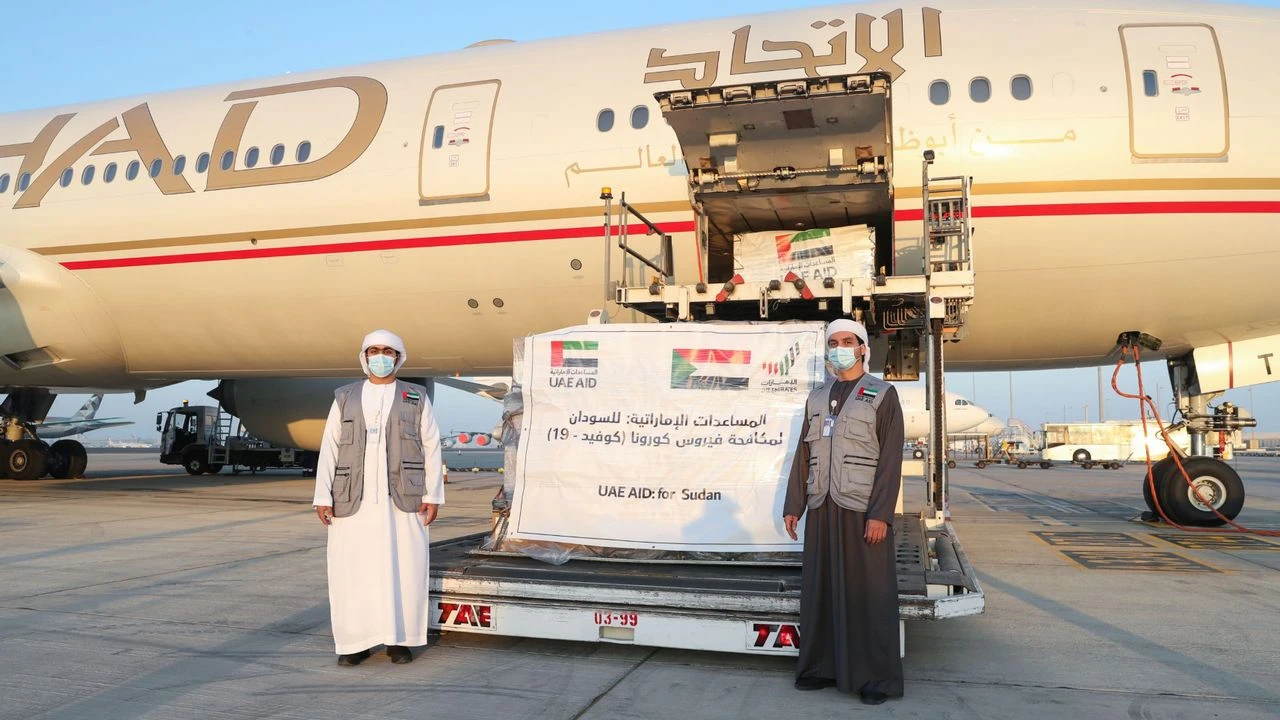
The UAE-WFP Sudan Aid Agreement is not a one-time effort but part of a long history of UAE support for Sudan. Over the past decade, the UAE has provided billions of dollars in aid to Sudan, covering humanitarian relief, development projects, and recovery efforts.
Since the outbreak of civil war in 2023, the UAE has increased its focus on emergency assistance, particularly in food security, healthcare, and shelter. This sustained engagement shows the UAE’s recognition that Sudan’s crisis requires long-term international attention and consistent support.
Emphasis on Safe and Unhindered Humanitarian Access
Alongside financial contributions, the UAE continues to call for humanitarian pauses and safe access corridors that allow aid workers to reach people in need. Ongoing fighting and insecurity often make it dangerous or impossible for relief teams to operate in certain areas.
By advocating for safe and unimpeded access, the UAE aims to ensure that humanitarian supplies reach civilians without delay. This approach aligns with international efforts to protect non-combatants and uphold humanitarian principles during conflict.
Strengthening Regional Stability
Food insecurity in Sudan does not only affect the country itself. Large-scale displacement and refugee flows have regional consequences, impacting neighbouring nations and regional stability. By supporting food assistance both inside Sudan and in nearby countries, the UAE-WFP Sudan Aid Agreement contributes to reducing these wider risks.
Helping families meet their basic food needs can prevent further displacement, lower tensions in host communities, and support social cohesion. In this way, humanitarian aid also plays a role in supporting longer-term peace and stability.
Looking Ahead
As Sudan’s crisis continues, sustained international cooperation will be essential. The UAE-WFP Sudan Aid Agreement demonstrates how partnerships between governments and international organisations can make a real difference on the ground.
Through this US$20 million commitment, the UAE is reinforcing its position as a major humanitarian donor and a strong supporter of global efforts to fight hunger. For millions of Sudanese families struggling to survive, this assistance offers not just food, but also hope for a more secure and dignified future.