


Giant Waterlily: New Species Found in Colombia

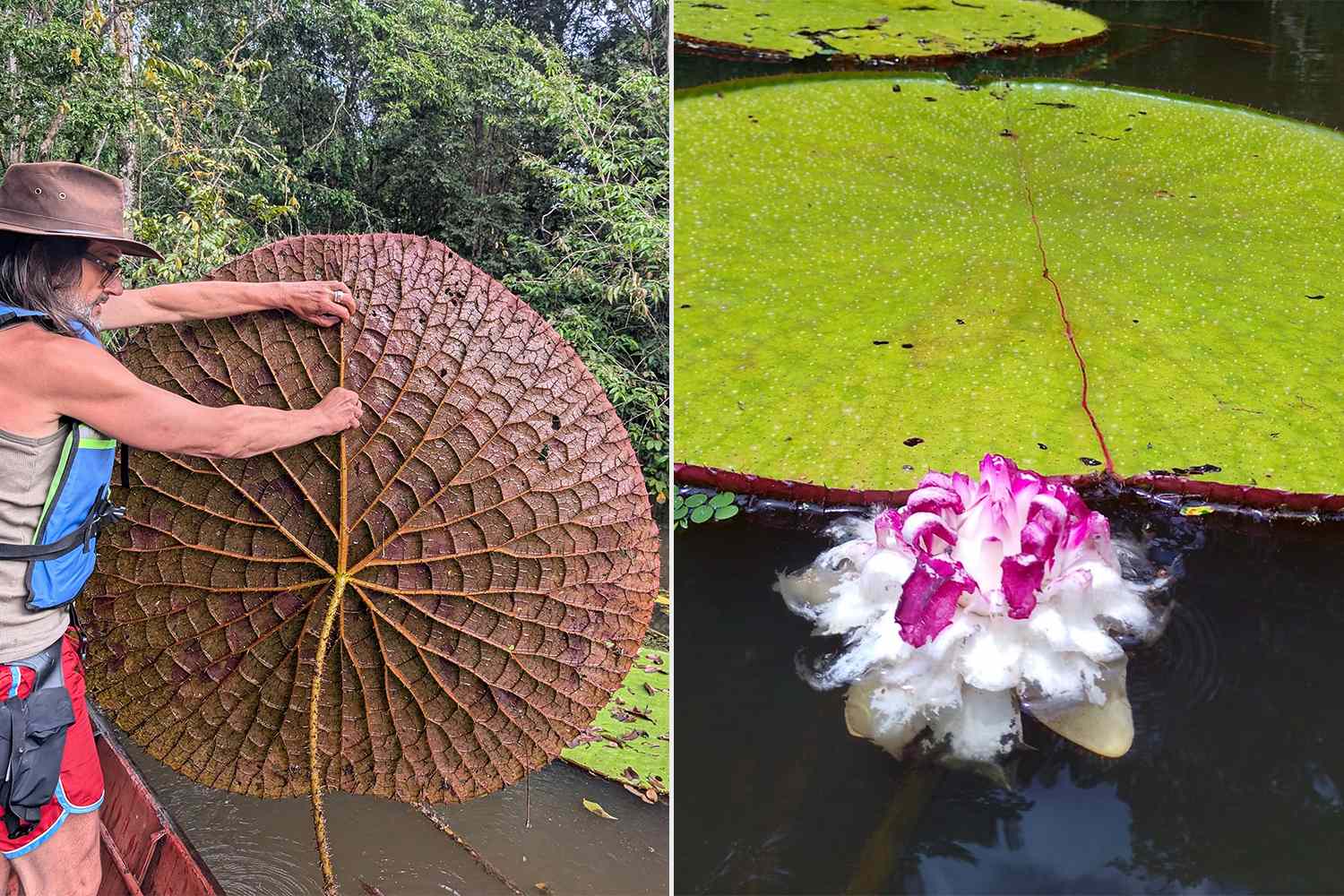
Giant Waterlily Victoria colombiana was formally identified as a distinct species by scientists on 9 October 2026. The findings were published in the botanical journal Phytotaxa. Native to Colombia in South America, this remarkable aquatic plant has floating leaves that can grow up to two metres across. It is the fourth scientifically recognised species in the genus Victoria. However, researchers estimate that only 30 to 50 individual plants may remain in the wild, making its conservation an important concern.
What Is Victoria colombiana?
Victoria colombiana belongs to the genus Victoria, a group of giant waterlilies in the plant family Nymphaeaceae. These plants grow in freshwater habitats and are known for their exceptionally large floating leaves.

The genus includes three other recognised species: Victoria amazonica, Victoria cruziana and Victoria boliviana. Scientists distinguish these plants by studying features such as their leaves, flowers and other physical structures.
The leaves of Victoria colombiana can reach around two metres in diameter. Large floating leaves help aquatic plants capture sunlight while remaining on the water’s surface. Their size and shape also make giant waterlilies some of the most striking plants found in tropical freshwater environments.
The formal identification of Victoria colombiana adds to scientific knowledge of plant diversity in South America and highlights how much there is still to learn about tropical ecosystems.
How Scientists Identified the New Species
The research that led to the identification began in 2021. Carlos Magdalena, a horticulturist at the Royal Botanic Gardens, Kew, noticed photographs of an unusual giant waterlily shared on Instagram by American plant enthusiast Jeremiah Harris.
The plant appeared different from the giant waterlilies already known to scientists. This prompted further investigation to establish its identity.
Magdalena later joined researchers from the Bogotá Botanical Garden and members of Indigenous communities on a five-day expedition to Colombia’s Inírida region, in the department of Guainía.
The team searched for the unusual plant in its natural habitat. With help from Gustavo Melo, a boatman from the Indigenous Tucano community, the researchers located a flowering specimen in a secluded lake.
Finding a flowering plant was important because flowers and other physical features can provide valuable evidence when scientists compare a plant with related species. The field observations helped researchers investigate its characteristics and establish its identity.
The case also shows how photographs, local knowledge, botanical expertise and field research can work together to support scientific discoveries.
Why the Flowering Specimen Was Important
Identifying a new plant species requires more than finding a plant that looks unusual. Scientists must examine its physical characteristics and compare them with those of known species.
For giant waterlilies, features of the leaves and flowers can help researchers understand how different plants are related. A flowering specimen provides additional details that may not be visible when examining leaves alone.
The research team used its field findings to support the formal recognition of Victoria colombiana. The results were published in Phytotaxa on 9 October 2026, making the identification available to the scientific community.
The discovery also demonstrates the value of exploring remote freshwater habitats. Some plant species may remain poorly documented because they grow in places that are difficult to reach or receive limited scientific attention.
Critically Endangered Giant Waterlily
Although Victoria colombiana is scientifically important, its reported wild population is extremely small. Researchers estimate that between 30 and 50 individual plants survive in the wild, and the species is classified as critically endangered.
A very small population can face serious risks. Habitat damage, changes in water conditions, pollution and other environmental pressures can threaten the survival of rare aquatic plants.
Freshwater habitats are especially important because they support a wide range of plants, animals and microorganisms. Protecting these environments can help preserve biodiversity and maintain the ecological balance of lakes and wetlands.
Researchers are considering conservation measures that include growing plants from collected seeds in Bogotá and at Kew Gardens. Establishing protected populations within Indigenous territories is another proposed approach.
Growing plants outside their original habitat can provide an additional safeguard, but successful conservation also depends on preserving suitable natural environments and understanding the plant’s needs.
Role of Indigenous Communities in Conservation
Local and Indigenous communities can contribute valuable knowledge about the plants and wildlife found in their territories. In this discovery, assistance from a member of the Indigenous Tucano community helped researchers reach the secluded lake where the flowering specimen was located.
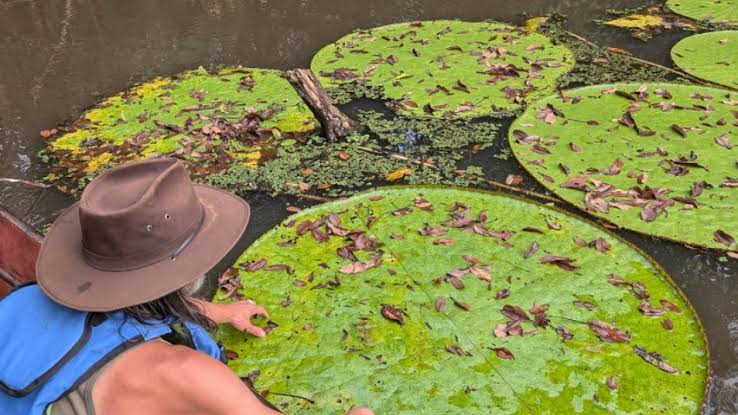
Cooperation between scientists and local communities can improve field research and support conservation planning. Local knowledge may help researchers understand where rare plants grow and how seasonal changes affect their habitats.
Conservation projects also benefit when communities are involved in decisions about protecting natural areas. Respect for Indigenous rights and local knowledge is important when planning long-term protection measures.
What the Discovery Means for Plant Science
The formal recognition of Victoria colombiana adds another species to the known diversity of giant waterlilies. It also highlights the importance of botanical gardens, scientific journals and field expeditions in identifying and protecting plant life.
Modern research often begins with an observation, photograph or local report, but formal identification requires careful scientific study. This discovery shows how an unusual plant spotted online can lead to years of investigation and a documented addition to scientific knowledge.
With its large floating leaves and limited reported wild population, Victoria colombiana is both a remarkable botanical discovery and a reminder of the need to protect rare freshwater species.