
India Mexico PTA Talks Begin

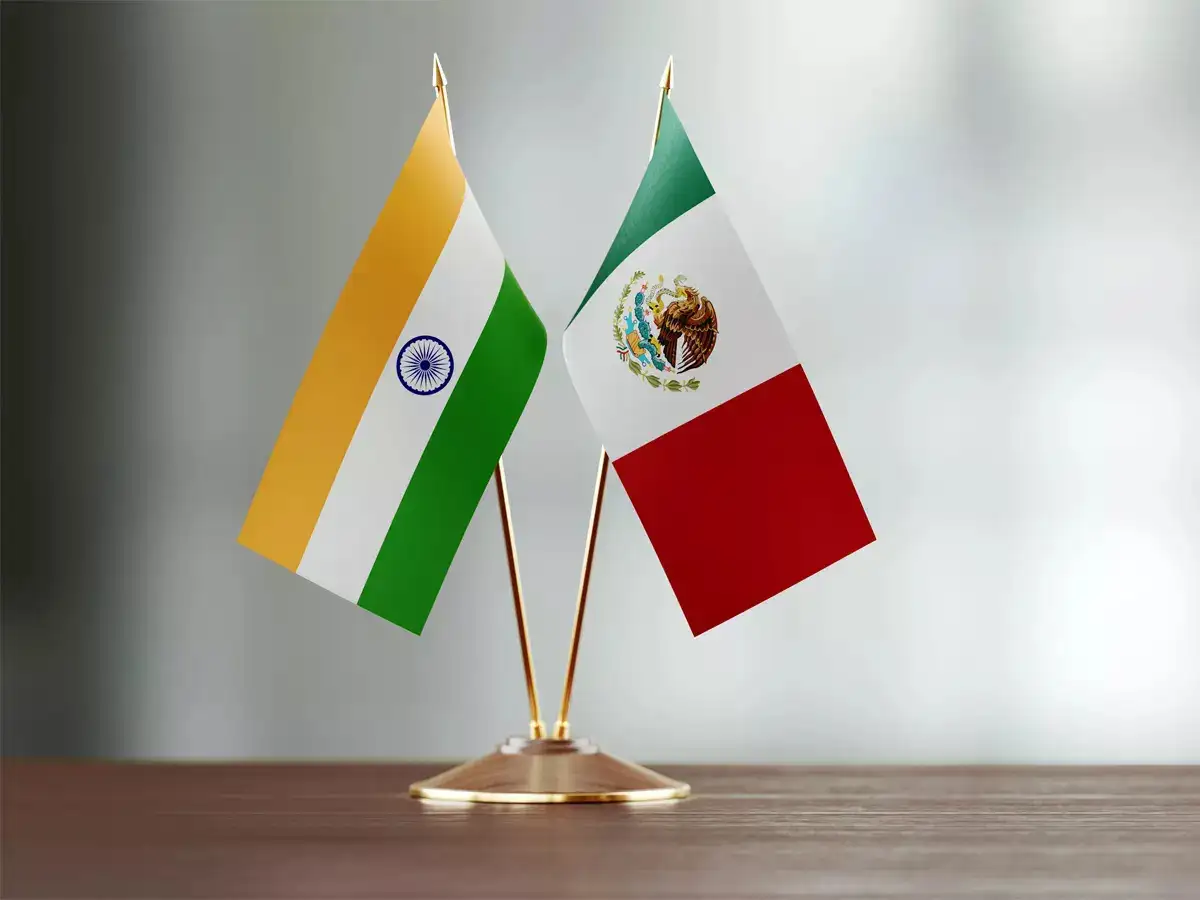
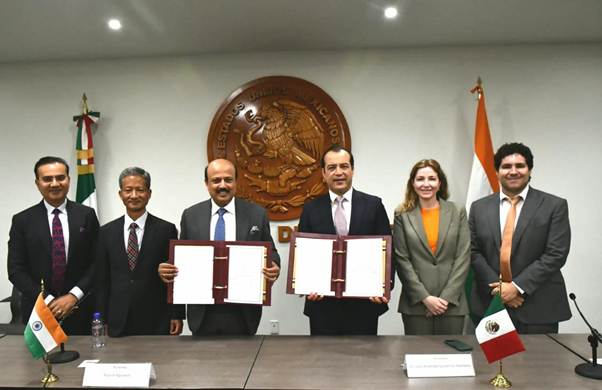
India Mexico PTA negotiations have officially started after India and Mexico signed the Terms of Reference (ToR) in Mexico City on 26 October 2026. The agreement marks an important step towards improving trade relations between the two countries and creating better opportunities for businesses. The signing took place during the visit of India’s Commerce Secretary, Rajesh Agrawal. Both countries will now work towards a Preferential Trade Agreement (PTA) that could provide tariff benefits on selected goods and strengthen commercial ties.
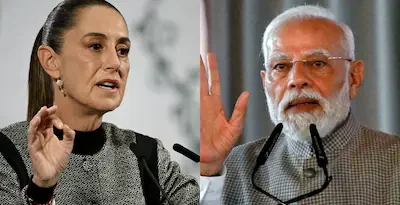
The proposed agreement follows an understanding reached between Indian Prime Minister Narendra Modi and Mexican President Claudia Sheinbaum during the G7 Summit in Canada in June 2025. The negotiations are particularly important for Indian exporters because Mexico introduced higher tariffs on certain imported products from countries that do not have bilateral trade agreements with it.

What Is the India Mexico PTA?
A Preferential Trade Agreement is a trade arrangement in which participating countries offer lower tariffs or other trade benefits on selected goods. A tariff is a tax imposed on imported or exported products, depending on the country’s trade rules. Under a PTA, countries identify specific products that may receive preferential treatment. This can make goods more competitive in the importing market by reducing the cost of customs duties. A PTA generally covers a narrower range of products than a comprehensive free trade agreement. A free trade agreement may cover a wider range of goods and services, depending on the terms negotiated by the participating countries. The Terms of Reference signed by India and Mexico establish the framework for their negotiations. It sets out the scope of discussions, the methods to be followed and the roadmap for working towards the proposed agreement. The final benefits will depend on the terms agreed upon by both countries. The signing of the ToR begins the formal negotiating process; it does not mean that the PTA has already come into force.
Why Are India and Mexico Negotiating a Trade Agreement?
One of the major reasons behind the negotiations is Mexico’s new tariff policy. On 1 January 2026, Mexico introduced tariffs of up to 50% on 1,463 items imported from countries without bilateral trade agreements. These tariffs can increase the cost of products entering the Mexican market. As a result, exporters from affected countries may face difficulties competing with suppliers that receive more favourable tariff treatment. India’s exports to Mexico include automobiles, textiles, footwear, plastics, steel, chemicals and toys. Higher tariffs can affect the prices of these products and create challenges for Indian companies seeking to maintain or expand their market share. The proposed India Mexico PTA is intended to address these trade concerns. Through negotiations, India will seek better market access for selected products and opportunities to reduce the effect of tariff barriers. If both countries agree on favourable terms, the arrangement could help Indian businesses compete more effectively in Mexico. However, the exact products covered and the tariff concessions available will depend on the final agreement.
India-Mexico Trade Reaches US$7.83 Billion
India and Mexico already have a significant trading relationship. According to the figures provided for the financial year 2025–26, bilateral merchandise trade between the two countries was approximately US$7.83 billion. India exported goods worth around US$5.73 billion to Mexico during this period. Automobiles were an important part of these exports, with their value reaching US$1.92 billion. These figures show the importance of the Mexican market for Indian exporters, particularly the automobile industry. The proposed PTA could provide an opportunity to improve the trading conditions for automobiles and other selected products.
| Trade Indicator | Details |
|---|---|
| Total bilateral merchandise trade | Approximately US$7.83 billion |
| India’s exports to Mexico | US$5.73 billion |
| India’s automobile exports to Mexico | US$1.92 billion |
| Financial year covered | 2025-26 |
| Date of signing the Terms of Reference | 26 October 2026 |
| Place of signing | Mexico City, Mexico |
The figures reflect merchandise trade, which refers to trade in physical goods. The negotiations described in the announcement focus on goods and related customs and regulatory matters.
Which Indian Industries Could Benefit?
Several Indian industries could benefit if the PTA improves market access and reduces tariffs on their products.
Automobile industry: Automobiles accounted for US$1.92 billion of India’s exports to Mexico in 2025–26. Better tariff conditions could help Indian automobile manufacturers and exporters compete in the Mexican market.
Textiles and footwear: India has a large textile and footwear industry. Preferential tariffs on selected products could make Indian goods more competitive for Mexican importers and customers.
Steel and chemicals: These sectors supply products used in manufacturing, construction and other industries. Improved trade conditions could create additional opportunities for Indian suppliers.
Plastics and toys: These products are also among the Indian exports that may be affected by Mexico’s higher tariffs. Negotiations could help address tariff barriers for selected goods.
However, no industry is guaranteed to receive benefits at this stage. The impact will depend on the products included in the final agreement, the tariff reductions negotiated and the rules that exporters must follow.
Key Areas Covered in the Negotiations
The Terms of Reference provide a framework for discussions on several important trade-related issues. These areas are intended to help both countries establish clear rules for exchanging goods.
Market Access for Goods
Market access refers to the conditions under which products from one country can enter another country’s market. India and Mexico will negotiate how selected goods may receive preferential tariff treatment.
Rules of Origin
Rules of origin determine where a product is considered to have been made or produced. These rules are important because only goods that meet the agreed conditions may qualify for preferential tariffs. For example, a product assembled in one country using materials from several countries may need to meet specific requirements before receiving the benefits of the agreement.
Customs Procedures and Trade Facilitation
Customs procedures cover the checks, documents and formalities required when goods cross international borders. Trade facilitation aims to make these processes more efficient and predictable. Clearer procedures may help businesses reduce delays and understand the requirements for exporting products.
Sanitary and Phytosanitary Measures
Sanitary and phytosanitary measures deal with food safety and the health of animals and plants. These rules help countries manage risks associated with imported agricultural and related products.
Technical Barriers to Trade
Technical barriers to trade include product standards, testing requirements, labelling rules and other technical regulations. Negotiations in this area can help clarify the requirements that exporters must meet.
Dispute Settlement and Trade Remedies
The framework also covers dispute settlement and trade remedies. Dispute settlement provisions establish ways to address disagreements over the interpretation or implementation of trade commitments. Trade remedies refer to measures that countries may use in certain circumstances to address problems such as unfair trade practices or a sudden increase in imports.
Mexico Suggests an Early Harvest Arrangement
Mexico has expressed interest in an early harvest arrangement. This approach would allow the two countries to liberalise trade in selected goods before the full negotiations are completed. An early harvest arrangement can help participating countries begin receiving some trade benefits while broader negotiations continue. It may also provide an opportunity to test agreed procedures and build confidence between the negotiating sides. However, the details of any such arrangement, including the products covered and the timing of implementation, would need to be negotiated and agreed upon by both countries. The early harvest proposal is therefore an option under discussion rather than a confirmed part of an agreement already in force.
Possible Mexican Business Mission to India in 2027
India and Mexico have also discussed the possibility of a Mexican business mission visiting India in the first quarter of 2027. The proposed visit could support direct engagement between businesses and help explore opportunities for trade and investment. Business missions can bring companies, industry representatives and other commercial stakeholders together. Such meetings may help businesses understand market conditions, identify potential partners and explore new commercial opportunities. The proposed mission could complement the PTA negotiations by encouraging closer contact between Indian and Mexican companies. However, the visit was discussed as a possibility, and its final details would need to be confirmed.
What Happens Next?
Following the signing of the Terms of Reference, India and Mexico will continue negotiations on the scope and conditions of the proposed PTA. Discussions will focus on tariff preferences, market access, rules of origin, customs procedures and other trade-related matters. Both countries will need to agree on the final terms before the proposed agreement can be implemented. The benefits for exporters will depend on the negotiated product coverage, applicable rules and the timeline for putting the agreement into effect. For India, the negotiations offer an opportunity to address the effect of Mexico’s higher tariffs and strengthen access to an important overseas market. For Mexico, the process could support closer commercial engagement with India and create a framework for expanding trade. The start of the India Mexico PTA negotiations is an important development in bilateral economic relations. The next stages of the talks will determine how far the proposed arrangement can improve trading conditions for businesses in both countries.