


CBD COP-17: India Reaffirms Biodiversity Commitment

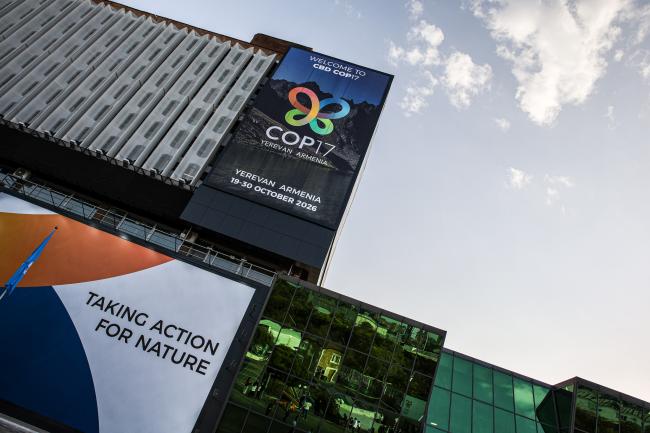
CBD COP-17 has become an important international meeting for biodiversity conservation, with India reaffirming its commitment to protecting nature and implementing global biodiversity goals. The 17th Conference of the Parties to the Convention on Biological Diversity (CBD COP-17) is being held in Yerevan, Armenia, from 19 to 30 October 2026. On 27 October, Union Minister for Environment, Forest and Climate Change Bhupender Yadav delivered India’s National Statement during the conference’s High-Level Segment.
India highlighted the importance of implementing the Kunming-Montreal Global Biodiversity Framework (KMGBF), which provides international goals and targets for protecting biodiversity. India also stressed the need for financial support, technology transfer and capacity building to help countries achieve these goals. The statement underlined that global biodiversity commitments should be implemented according to each country’s national priorities, circumstances and laws.

What Is CBD COP-17?
CBD COP-17 is the 17th meeting of the Conference of the Parties to the Convention on Biological Diversity. It brings together representatives of countries and other stakeholders to discuss biodiversity protection, the sustainable use of natural resources and ways to share the benefits arising from genetic resources.
The Convention on Biological Diversity is an international treaty adopted at the 1992 United Nations Conference on Environment and Development in Rio de Janeiro, Brazil. The treaty entered into force on 29 December 1993.
The Conference of the Parties, commonly known as the COP, is the main decision-making body of the convention. Its meetings provide a platform for countries to review progress, discuss challenges and agree on actions related to biodiversity conservation.
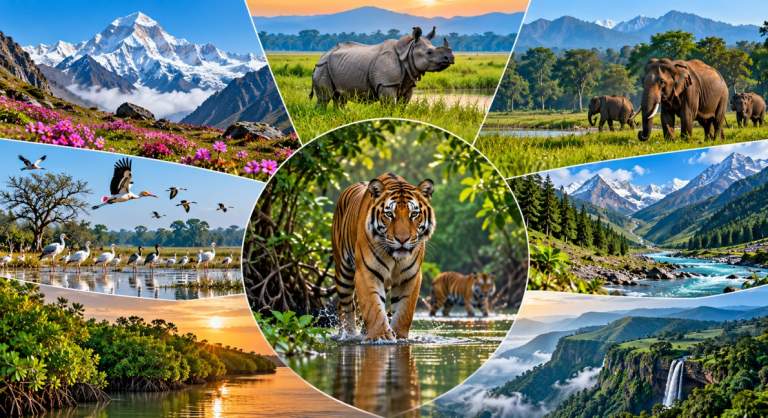
The CBD is important because biodiversity supports human life, food production, clean water, healthy soils and the balance of ecosystems. Forests, rivers, wetlands, grasslands, mountains and oceans all contain different forms of life that need protection.
Three Main Objectives of the Convention on Biological Diversity
The Convention on Biological Diversity has three main objectives.
Conservation of biological diversity: This means protecting plants, animals, microorganisms and the ecosystems in which they live. It includes measures to protect forests, wetlands, wildlife habitats and endangered species.
Sustainable use of biodiversity: Natural resources should be used in ways that do not cause long-term damage to ecosystems. Sustainable use helps meet human needs while allowing nature to recover and continue supporting future generations.
Fair and equitable sharing of benefits: Genetic resources may be used in scientific research, agriculture, medicine and other fields. The convention promotes the fair sharing of benefits arising from their use.
These objectives guide international cooperation on biodiversity and influence national conservation policies.
Kunming-Montreal Global Biodiversity Framework
The Kunming-Montreal Global Biodiversity Framework is a major international plan for stopping and reversing biodiversity loss. It was adopted at CBD COP-15 in Montreal, Canada, in December 2022. The framework sets four long-term goals for 2050 and 23 targets to be achieved by 2030. It encourages countries to protect ecosystems, restore damaged natural areas, reduce threats to biodiversity and use natural resources sustainably. One of its best-known targets is the goal of conserving at least 30 per cent of the world’s terrestrial, inland-water, coastal and marine areas by 2030. This is commonly called the 30-by-30 target. The framework also focuses on reducing pollution, addressing invasive alien species, supporting sustainable production and consumption, and improving financial resources for biodiversity protection. At CBD COP-17, India reaffirmed its commitment to implementing the framework. India also emphasised that countries need adequate resources and support to turn international targets into practical action.
India’s National Biodiversity Strategy and Action Plan
India has updated its National Biodiversity Strategy and Action Plan to connect the global biodiversity framework with national conservation priorities.
The updated plan contains 23 national biodiversity targets and 142 indicators. These indicators can help track progress towards the country’s biodiversity goals and assess the effectiveness of conservation measures.
The plan provides a national approach to protecting ecosystems, conserving species and promoting the sustainable use of biological resources. It also supports the integration of biodiversity concerns into development and environmental planning. India’s position is that the implementation of global biodiversity commitments should consider national conditions, priorities and legislation. Countries have different ecological systems, development needs and available resources, so their approaches may differ while contributing to shared international goals.
The national strategy helps India organise its conservation efforts and measure progress towards biodiversity protection.
India Calls for More Financial Support and Technology Transfer
During CBD COP-17, India called for adequate and predictable financial support to help countries implement global biodiversity goals. It also highlighted the importance of capacity building and technology transfer, particularly from developed countries.
Biodiversity conservation requires long-term investment. Protected areas need management, threatened species require monitoring, and damaged ecosystems may need restoration. Governments also need trained staff, scientific information and suitable technology to carry out conservation programmes. Predictable funding helps countries plan these activities over several years rather than depending on uncertain financial support.
Capacity building means improving the skills, knowledge and resources of institutions and people involved in conservation. Technology transfer can help countries access tools and methods needed to monitor wildlife, assess ecosystems and manage natural resources. India’s statement highlighted that international cooperation is important for turning biodiversity commitments into effective action on the ground.
The Role of the Cali Fund in Benefit-Sharing
India supports benefit-sharing from the use of digital sequence information on genetic resources through multilateral mechanisms, including the Cali Fund.
Digital sequence information refers to digital data related to genetic resources, such as genetic sequence information used in research and development. Such information can support work in areas including medicine, agriculture and biotechnology. The use of genetic information can create economic and scientific benefits. Benefit-sharing mechanisms aim to ensure that the benefits associated with its use are shared fairly through agreed arrangements.
The Cali Fund is linked to benefit-sharing from the use of digital sequence information on genetic resources. It forms part of wider international efforts to address how benefits from genetic information can support biodiversity conservation and sustainable use. India’s support for multilateral benefit-sharing mechanisms reflects the importance of international cooperation in managing genetic resources and ensuring that the benefits of scientific progress are shared fairly.
India’s Position on Synthetic Biology and Biosafety
India also advocates a science-based, risk-proportionate and precautionary approach to synthetic biology and biosafety. Synthetic biology involves designing or modifying biological systems for specific purposes. It can have applications in medicine, agriculture, industry and environmental research. However, some developments may raise concerns about possible effects on human health, other organisms or ecosystems. Biosafety measures aim to manage risks associated with biological research and technology. A science-based approach uses available evidence to assess possible risks, while a risk-proportionate approach matches safety measures to the level of risk.
The precautionary approach recognises the need to take appropriate care when there is uncertainty about potential harm. India supports considering scientific evidence and possible risks while addressing developments in synthetic biology. These discussions are important because advances in biotechnology should be considered alongside the need to protect biodiversity and the environment.
India’s Protected Areas and Conservation Achievements
India has several types of protected and conservation areas that help safeguard wildlife, plants and natural habitats. According to the figures reported as of 27 October 2026, the country had:
- 1,134 Protected Areas
- 103 Ramsar sites
- 57 Biodiversity Heritage Sites
- 18 Biosphere Reserves
Protected Areas include national parks, wildlife sanctuaries and other designated areas managed for nature conservation. They provide important habitats for wildlife and help protect ecosystems from damaging activities.
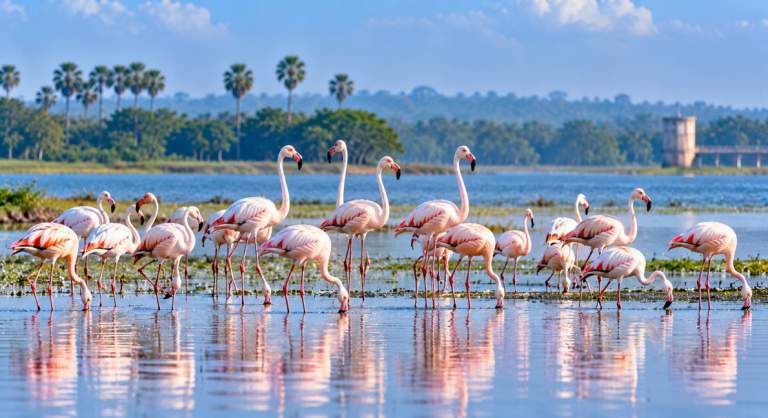
Ramsar sites are wetlands recognised under the Ramsar Convention, an international treaty concerned with the conservation and wise use of wetlands. Wetlands provide habitats for birds, fish and other wildlife, while also supporting water regulation and other ecological functions.
Biodiversity Heritage Sites are areas of ecological, biological or cultural importance that are recognised for their biodiversity value. They help conserve unique ecosystems and traditional knowledge associated with nature.
Biosphere Reserves are areas intended to support biodiversity conservation while also encouraging sustainable relationships between people and their environment.
India’s Biosphere Reserves and UNESCO
India has 18 Biosphere Reserves, of which 13 are part of UNESCO’s Man and the Biosphere Programme, according to the figures reported on 27 October 2026. The Man and the Biosphere Programme promotes the conservation of biodiversity while encouraging sustainable development and research. It supports cooperation between communities, scientists and public authorities to improve the management of natural areas. Biosphere Reserves can include core areas for strict conservation, buffer zones for compatible activities and transition areas where communities may pursue sustainable development. These areas help protect important habitats and species while recognising the role of local communities in managing natural resources. India’s protected areas, wetlands, Biodiversity Heritage Sites and Biosphere Reserves form important parts of its broader biodiversity conservation efforts.
Why CBD COP-17 Matters for India
CBD COP-17 provides an international platform for India to present its conservation priorities and discuss the implementation of global biodiversity commitments. India’s National Statement on 27 October 2026 reaffirmed its support for the Kunming-Montreal Global Biodiversity Framework. It also highlighted the importance of adequate funding, technology transfer, capacity building and fair benefit-sharing from genetic resources. The discussions are significant because biodiversity loss affects ecosystems, food security, water resources and the long-term health of the environment. Protecting biodiversity requires action by governments, research institutions, businesses and local communities. India’s updated National Biodiversity Strategy and Action Plan, together with its protected areas and other conservation measures, provides a framework for national action. International cooperation can help strengthen these efforts by improving access to financial resources, scientific knowledge and technology. The conference in Yerevan continues to bring countries together to discuss how global biodiversity goals can be translated into practical conservation measures and how progress can be supported over the coming years.