



Veeranam Flamingos: Rare Inland Sighting

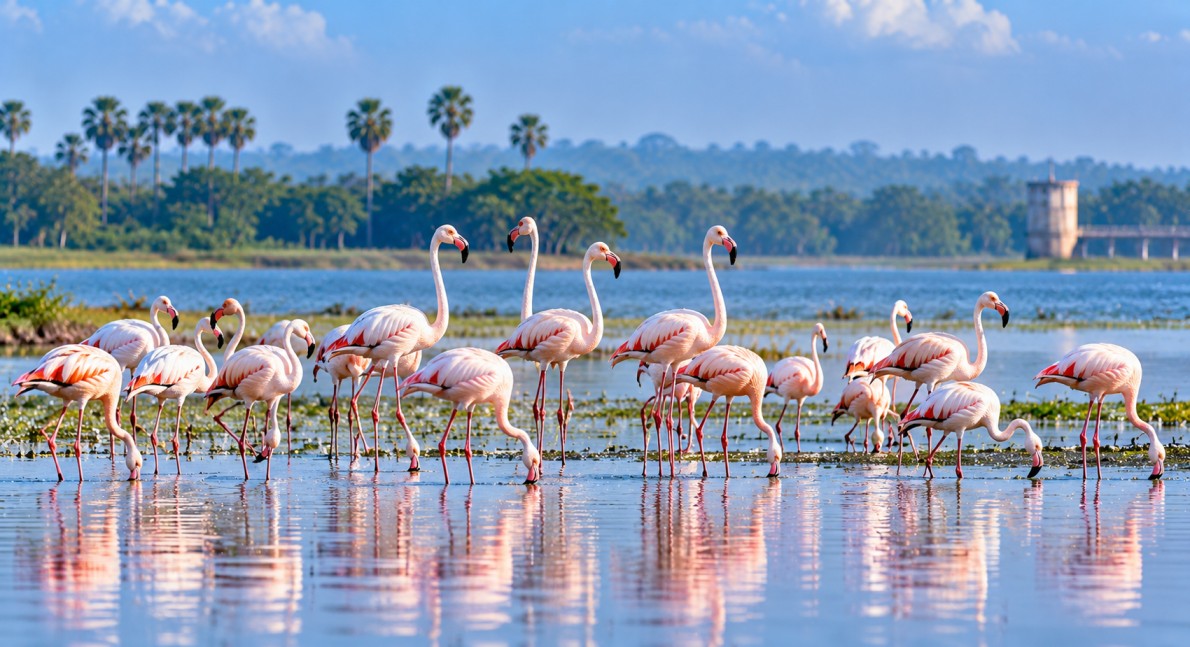
Veeranam Flamingos were spotted at Veeranam Lake in Tamil Nadu on 25 October 2026, when researchers recorded 18 greater flamingos at the freshwater reservoir in Cuddalore district. The sighting attracted attention because these birds are more commonly found in coastal wetlands, lagoons and mudflats. Veeranam Lake lies around 50 kilometres inland, making the appearance of the birds an interesting development for local bird researchers. Changes in rainfall, water levels and food availability may have influenced their presence, although further monitoring is needed to understand the exact reasons.
Greater Flamingos Spotted at Veeranam Lake
The sighting was recorded by Professor J. Pandiyan, an associate professor and bird researcher at A.V.C. College in Mayiladuthurai. Research scholars Saravanakumar and Veerasamy were also involved in documenting the occurrence.

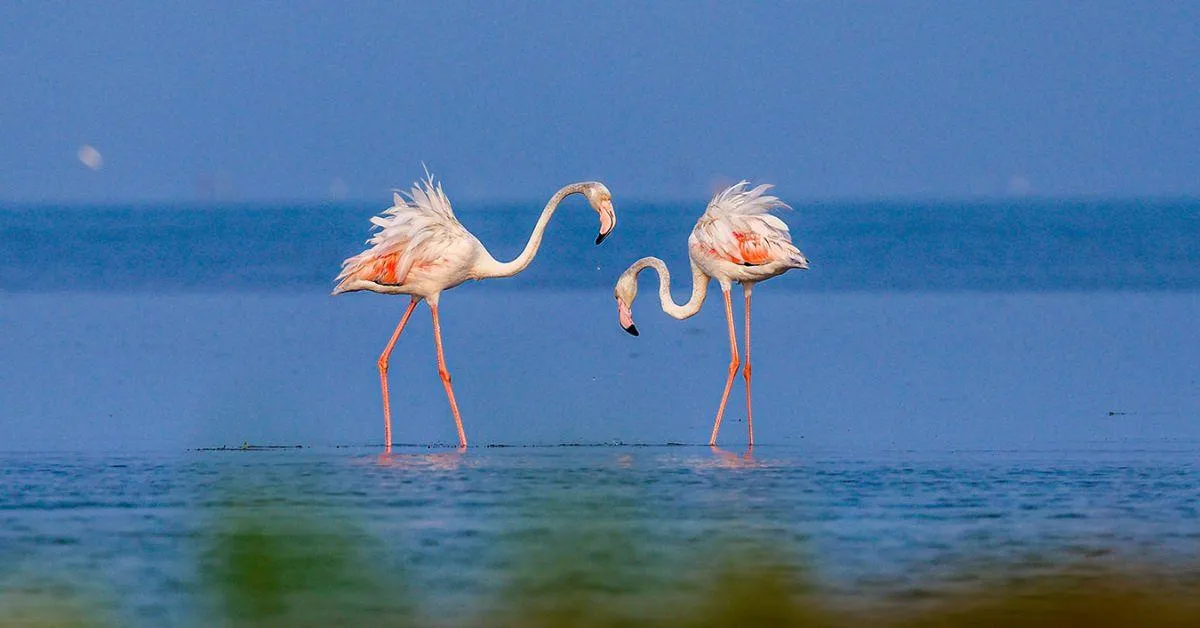
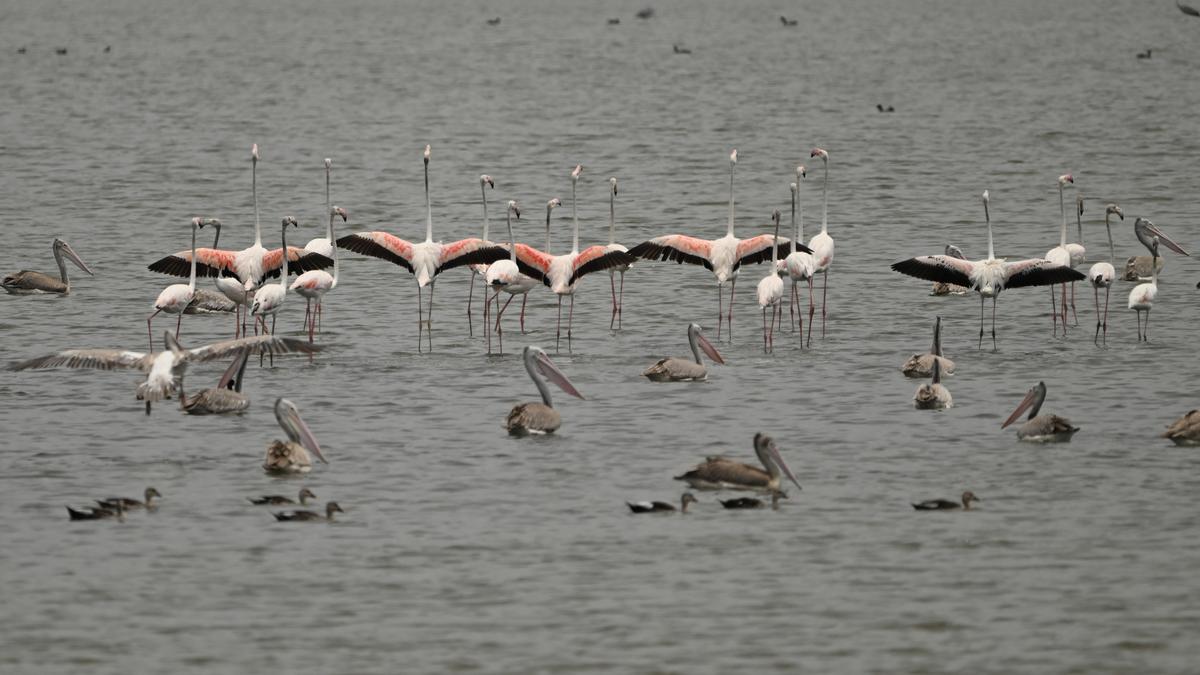
A group of 18 greater flamingos was observed at the lake on 25 October. The birds are known for their long legs, curved bills and pink colouring. They usually feed in shallow water, where they search for small aquatic organisms.
The appearance of these birds at an inland freshwater reservoir has drawn attention to the role that changing wetland conditions can play in bird movement. Birds may visit locations outside their usual habitats when suitable feeding opportunities become available.
Researchers can learn more about such movements by recording bird numbers, observing feeding behaviour and monitoring changes in water levels over time.
What Is Veeranam Lake?
Veeranam Lake is a freshwater reservoir in Cuddalore district, Tamil Nadu. It is connected to the Cauvery river system through channels that carry water from the Kollidam River.
The reservoir is important for irrigation and forms part of the water supply system serving Chennai. Its water levels can change depending on rainfall, river flows, water transfers and local weather conditions.
During the period of the reported flamingo sighting, reduced Southwest monsoon rainfall and lower Cauvery flows were associated with a water deficit in the region. These conditions may have affected water levels and exposed shallow areas of the lake.
When water recedes, mudflats and shallow feeding zones can become available to birds that search for food in soft sediments. The suitability of these areas depends on the presence of aquatic organisms and other food resources.
Why Did Flamingos Visit an Inland Lake?
Greater flamingos are commonly associated with coastal wetlands, including lagoons, estuaries, salt pans and mudflats. However, they can also use suitable inland wetlands when conditions allow.
Researchers linked the Veeranam sighting to several possible factors. These included reduced food availability in coastal habitats, changes in rainfall and the formation of shallow feeding areas at the lake.
When coastal wetlands become dry or food resources decline, birds may explore other places where they can find suitable feeding conditions. A receding water level can expose areas rich in small aquatic organisms.
Evaporation may also concentrate certain food resources in remaining shallow water. However, this does not happen equally in every wetland, and food availability depends on local conditions.
The report also mentioned a possible connection with a strong El Niño-related weather pattern. Climate events can influence rainfall and water availability, but it is not possible to establish that a single weather event caused this particular sighting without further evidence.
Greater Flamingo: Features and Feeding Habits
The greater flamingo, scientifically known as Phoenicopterus roseus, is the largest living flamingo species. It has long legs, a long neck and a specialised bill that helps it filter food from water.
Its diet includes algae, small crustaceans and other aquatic organisms. Fine, comb-like structures inside the bill help separate food particles from water and sediment.
Flamingos often feed in groups, moving through shallow water while filtering food from the surrounding environment. Their feeding behaviour allows them to use wetlands with suitable water depths and food supplies.
Although greater flamingos are widely associated with coastal habitats, their ability to feed in different kinds of shallow wetlands can allow them to use inland water bodies when conditions are favourable.
Climate Change and Wetland Conditions
Changes in rainfall and temperature can affect wetlands by altering water depth, salinity and the availability of food. These changes may influence where birds feed and how long they remain at a particular location.
In parts of India, irregular monsoon rainfall and periods of water shortage can affect both natural wetlands and reservoirs. When water levels fall, new feeding areas may appear, but prolonged drying can also reduce the amount of suitable habitat available.
The Veeranam Flamingos sighting highlights why researchers need to monitor bird movements alongside water levels and local weather conditions. Regular observations can help determine whether birds are using the lake temporarily or returning during similar conditions in the future.
Long-term records are especially useful because a single sighting cannot establish a lasting change in a species’ migration or feeding pattern.
Why Monitoring Inland Wetlands Matters
Inland reservoirs can provide temporary feeding and resting places for birds, particularly when other wetlands experience unfavourable conditions. Protecting these areas can therefore support biodiversity beyond the coastal habitats where many waterbirds are usually found.
Monitoring bird populations also helps researchers identify changes in habitat use. Records of species, numbers, feeding behaviour and water conditions can provide valuable information about wetland health.
At Veeranam Lake, continued observation may help researchers understand how greater flamingos respond to changing water levels and food availability in Tamil Nadu.
The sighting of 18 greater flamingos on 25 October 2026 provides a useful opportunity to study the relationship between bird movement, seasonal weather and inland wetland conditions.