

Sports Diplomacy: How Sport Builds Global Ties

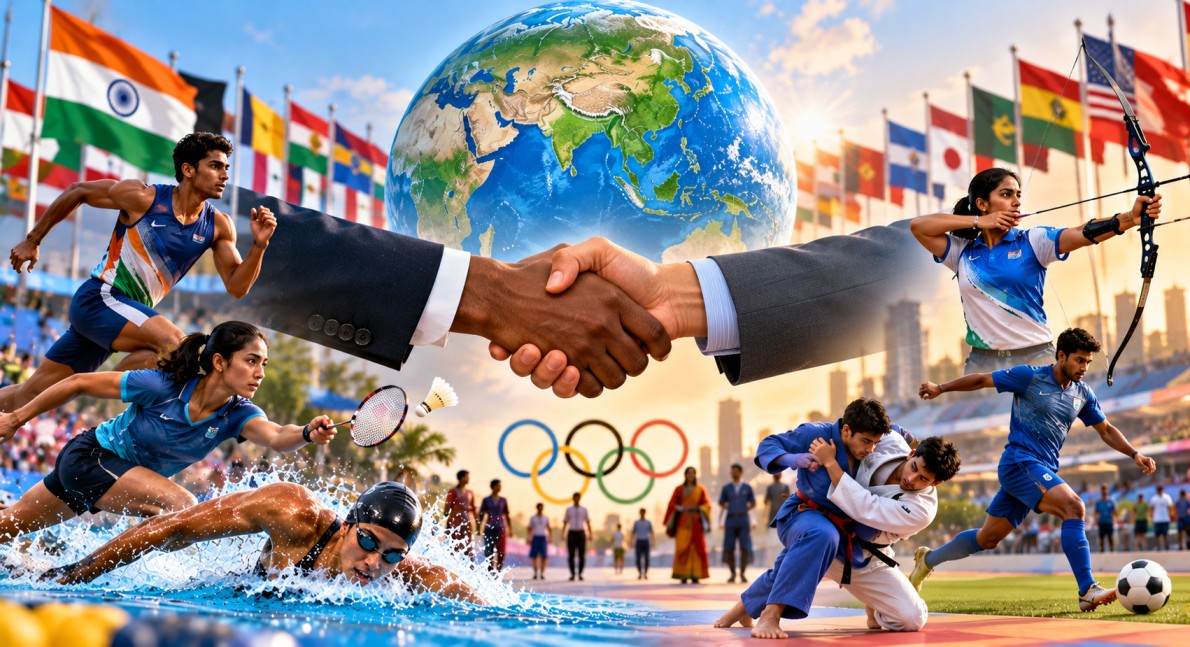
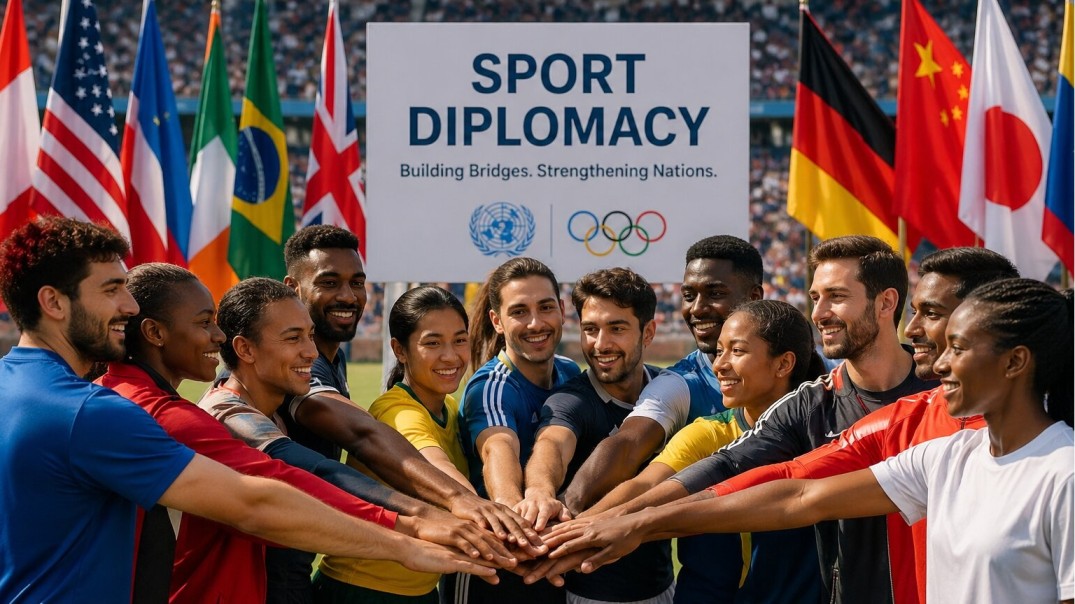
Sports Diplomacy uses sporting events, athlete exchanges and international competitions to build relationships between countries. It creates opportunities for cultural exchange, mutual understanding and cooperation, even when political differences exist. From the historic table tennis exchanges between the United States and China to India’s sporting partnerships with other nations, sports can support communication beyond the playing field. In 2026, international events such as the Dakar Summer Youth Olympic Games are also providing opportunities for young athletes and sports organisations to connect across borders.
What Is Sports Diplomacy?
Sports diplomacy is a form of public diplomacy that uses sport to support international relations. It includes hosting major competitions, arranging training exchanges, signing cooperation agreements and bringing athletes from different countries together.

Sport can help people learn about other cultures through shared experiences. Athletes and coaches often build personal relationships while training and competing together. These connections can encourage respect and understanding between communities.
Governments and sporting organisations may also use sports diplomacy to promote their country’s culture, values and sporting achievements. This is sometimes linked to soft power, which means influencing how other countries view a nation through culture, education, sport and other non-military activities.
However, sports diplomacy does not automatically solve political disagreements. Its value often comes from keeping communication open and creating opportunities for future cooperation.
History of Sports Diplomacy
The connection between sport and peace has a long history. In ancient Greece, the Olympic Truce was associated with the Olympic Games and aimed to provide a period of safer travel and participation for those involved in the event.
In modern times, sports diplomacy became more visible through international competitions and exchanges after the Second World War. One of the best-known examples is Ping-Pong Diplomacy in 1971, when American table tennis players visited China.
The sporting exchange helped improve contact between the United States and China during a period of limited relations. It was followed by wider diplomatic engagement between the two countries.
This episode showed that sport can create an opening for communication. However, sporting exchanges work alongside political negotiations and other diplomatic efforts rather than replacing them.
Major international events have also created opportunities for informal meetings between leaders, cultural exchanges and public discussion. At the same time, sport can become a platform for political messages, showing that its role in international relations can be complex.
Role of International Sports Organisations
International sports organisations connect athletes, national bodies and governments across borders. They help organise competitions, set rules and create opportunities for cooperation.
The International Olympic Committee (IOC) leads the Olympic Movement and promotes the Olympic values of excellence, friendship and respect. National Olympic Committees represent their countries within the Olympic Movement and coordinate participation in major sporting events.
The Indian Olympic Association (IOA) is India’s National Olympic Committee. It coordinates India’s participation in events such as the Olympic Games, Asian Games and Commonwealth Games.
International sports federations also play an important role. They establish rules for individual sports, organise championships and help countries work towards common sporting standards.
These organisations can support sports diplomacy through athlete exchanges, training programmes, technical assistance and agreements between national sporting bodies.
Main Tools of Sports Diplomacy
Sports diplomacy can take different forms depending on the goals of the countries and organisations involved.
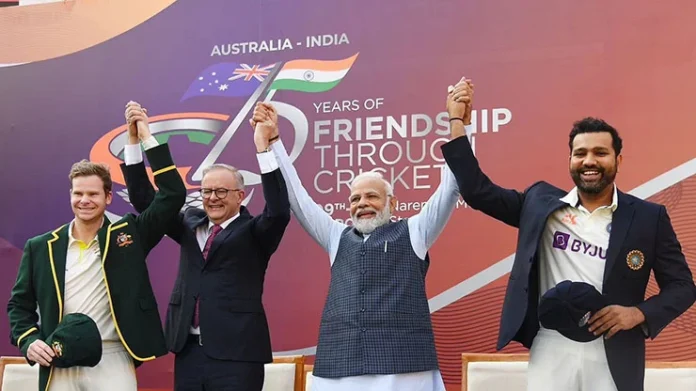
International sporting events: Hosting events such as the Olympic Games and world championships gives countries an opportunity to welcome international visitors, showcase local culture and encourage interaction.
Bilateral agreements: Governments and sports organisations may sign memoranda of understanding (MoUs) to support joint training, competitions and other sporting activities.
Athlete and coach exchanges: Training visits allow athletes and coaches to share techniques, learn from different approaches and develop personal connections.
Technical cooperation: Countries can exchange knowledge about coaching, sports science, facilities, event management and athlete development.
Youth programmes: International youth competitions and scholarships help young athletes meet people from other cultures and develop a broader understanding of the world.
Long-term cooperation is important because a single competition may create attention, but regular exchanges can build stronger relationships over time.
India and Sports Diplomacy
India uses international sporting participation and cooperation to strengthen connections with other countries. The Indian Olympic Association plays a central role in coordinating the country’s participation in multi-sport events and building relationships with other National Olympic Committees.
Sports exchanges can create opportunities to share coaching knowledge, improve athlete preparation and encourage participation among young people. They can also help countries learn from each other’s experience in organising competitions and developing sports facilities.
India’s international sporting links include participation in the Olympic Games, Asian Games, Commonwealth Games and other competitions. These events allow Indian athletes to compete internationally while interacting with sportspeople from different backgrounds.
Agreements between sporting organisations can further support these connections through training opportunities, technical cooperation and youth development programmes.
Dakar 2026 Youth Olympic Games and International Cooperation
The Dakar 2026 Summer Youth Olympic Games are scheduled to take place in Senegal from 31 October to 13 November 2026. The event is significant because it is the first Olympic event scheduled to be hosted on the African continent.
Around 2,700 athletes from 207 delegations are expected to compete in 25 sports. The Games are designed for young athletes and combine sporting competition with cultural and educational activities.
The Indian Olympic Association announced a 17-member Indian contingent on 26 October 2026. The team is scheduled to compete in 11 sports. Athletes named in the announcement include table tennis players Sarthak Arya and Syndrela Das, swimmer Dhinidhi Desinghu and badminton player Tanvi Patri.
The Games also provide a setting for wider sporting cooperation. IOA President P. T. Usha is expected to sign memoranda of understanding with National Olympic Committees from several African countries, including Namibia and Mauritius. The proposed agreements concern sports exchanges and technical cooperation.
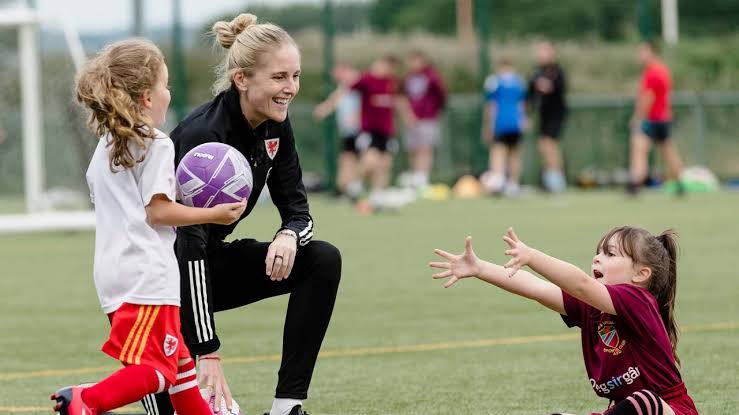
These partnerships could provide opportunities for organisations to share knowledge and strengthen connections between Indian and African sporting communities.
Benefits and Challenges of Sports Diplomacy
Sports diplomacy can improve cultural understanding, support youth development and create new links between institutions. It can also help countries share sporting knowledge and provide athletes with opportunities to learn from international experience.
Hosting a major competition may bring global attention to a country and support tourism and local business activity. Training exchanges can help improve coaching methods and encourage the development of young talent.
However, sports diplomacy also faces challenges. Political disputes can affect sporting relationships, while unequal access to facilities and funding can limit participation. Major events may also require significant spending and careful planning.
For sports diplomacy to have lasting value, cooperation needs to continue beyond the final match or closing ceremony. Fair access, transparent agreements and sustained programmes can help turn sporting contact into meaningful international relationships.
The Dakar 2026 Games and proposed sporting agreements between India and African countries show how competitions can create opportunities for cultural exchange, technical learning and cooperation among nations.