Zhuque-3 Booster Lands in China

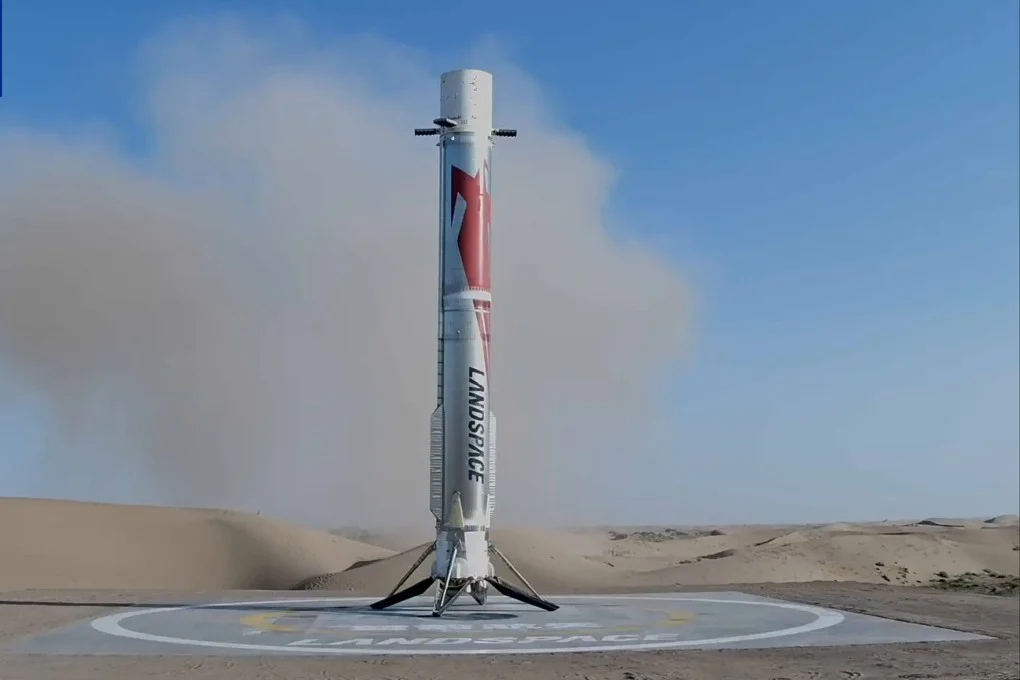
Zhuque-3 achieved a major milestone for China’s commercial space sector after LandSpace successfully launched the rocket and recovered its first-stage booster on 19 August 2026. The Beijing-based private space company used its Zhuque-3 Y2 rocket to place the Honghu-3 commercial internet satellite into orbit and then brought the first stage back to Earth for a controlled vertical landing. The achievement marks an important development in China’s efforts to build reusable launch vehicles.
Thank you for reading this post, don't forget to subscribe!Zhuque-3 Rocket and Its Technology
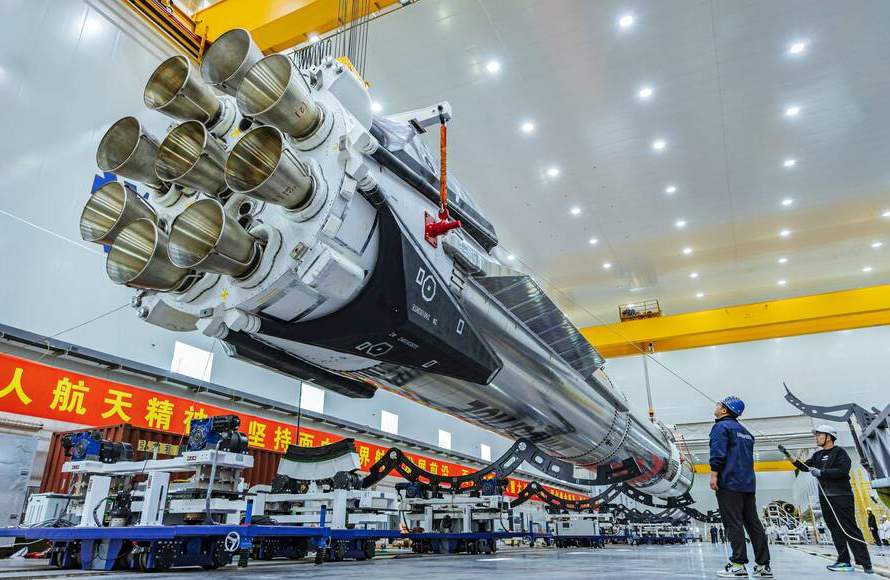
Zhuque-3 is a two-stage rocket developed by LandSpace. The vehicle is around 66 metres tall and uses liquid oxygen and methane as its propellants. Its design includes technologies intended to support the recovery and reuse of the first stage.
Reusable rockets are becoming increasingly important in the global space industry because recovering and flying a booster again can reduce the cost and time needed for future launches. Companies around the world are working on similar technologies, with SpaceX and Blue Origin among the leading private companies in reusable orbital launch systems.
LandSpace’s latest achievement places the company among the private space companies that have demonstrated orbital-class booster recovery. Reuters reported that the successful landing was LandSpace’s second attempt to recover the Zhuque-3 first stage.
Successful Launch and Booster Landing
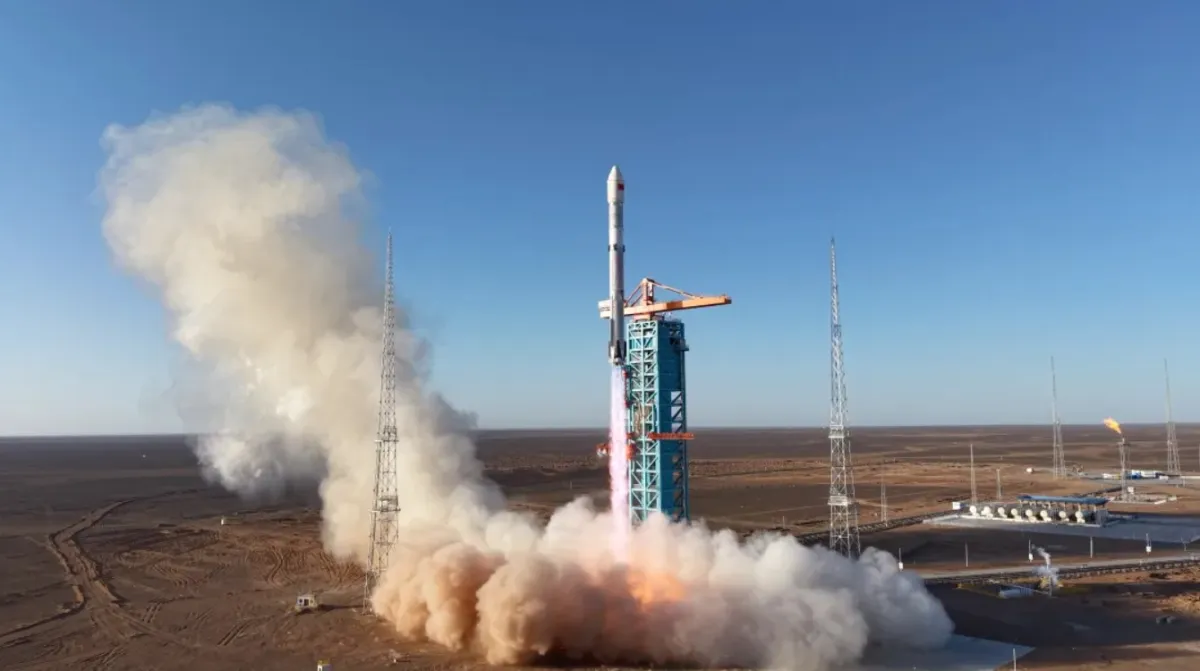
The Zhuque-3 Y2 mission lifted off from China’s Dongfeng Commercial Space Innovation Pilot Zone in the northwest of the country. The rocket carried the Honghu-3 satellite, which was successfully delivered to its planned orbit.
After separating from the upper stage, the first-stage booster followed a planned return path. It travelled hundreds of kilometres downrange before reaching a designated landing area in Minqin County in Gansu province. The booster used deployable landing legs to make a controlled vertical touchdown.
The successful recovery is particularly important because the booster was not simply tested in isolation. It performed its main launch task and then attempted to return safely to Earth. This demonstrates the practical potential of combining orbital launch operations with booster recovery.
A Second Chance After the First Flight
The achievement also comes after a difficult first flight for Zhuque-3. During its maiden orbital mission in December 2025, the rocket successfully reached orbit, but the first-stage booster failed during the final part of its landing attempt.
The second flight showed improvements in the recovery process. LandSpace successfully controlled the booster during its descent and completed the landing using its own landing system. This progress demonstrates how repeated flight attempts can help commercial space companies improve complex rocket technologies.
The latest success also makes LandSpace the first Chinese private company to recover an orbital-class rocket booster on land. China had previously demonstrated orbital booster recovery through a state-owned aerospace programme, which used a different sea-based net-capture approach in July 2026.
Honghu-3 Adds a Commercial Dimension
The mission was not only a technology demonstration. The rocket also carried the Honghu-3 commercial internet satellite into its designated orbit. This connects the reusable rocket programme with China’s growing commercial space and satellite communication industry.
Successful recovery could allow LandSpace to prepare boosters for future flights instead of manufacturing an entirely new first stage for every launch. The company has stated ambitions for the Zhuque-3 booster to be reused multiple times, potentially helping lower launch costs and increase launch frequency.
LandSpace and China’s Commercial Space Industry
LandSpace is part of a growing group of Chinese private space companies developing launch vehicles, satellites and other space technologies. China has increasingly encouraged commercial participation in the space sector, creating new opportunities for private companies to compete alongside established state-owned aerospace organisations.
The Zhuque-3 milestone also comes as LandSpace prepares for a major fundraising effort. The company is seeking to raise about 7.5 billion yuan through a proposed listing on the Shanghai Stock Exchange’s STAR Market, according to reports.
The successful landing could strengthen the company’s position as it works toward more frequent commercial launches. LandSpace has also targeted the eventual reuse of recovered Zhuque-3 boosters, with the latest achievement providing an important demonstration of the technology required for that goal.
Reusable Rockets and the Global Space Race
Reusable launch technology is changing the way modern space missions are planned. Instead of treating a rocket’s first stage as disposable hardware, companies are developing systems that can return the booster to Earth, undergo inspection and refurbishment, and potentially fly again.
The Zhuque-3 landing therefore has significance beyond China. It adds another commercial player to the growing global effort to make orbital launches more reusable and potentially more affordable. The next major step for LandSpace will be proving that a recovered booster can successfully complete another launch, which would move the technology from recovery demonstration toward routine reuse.