

Maharashtra Snakebite Becomes Notifiable Disease

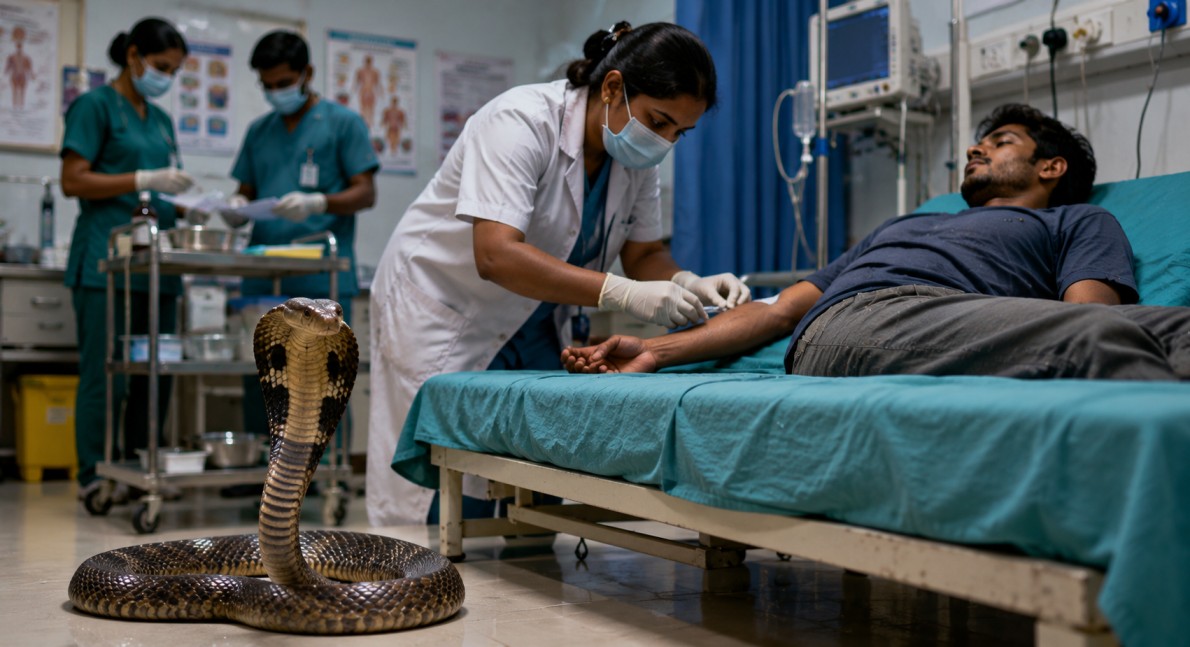
Maharashtra Snakebite cases will now come under mandatory health reporting after the state government declared snakebite a notifiable disease on 18 August 2026. The new system requires government hospitals, private hospitals, medical colleges and healthcare professionals to report suspected, probable and confirmed snakebite cases, as well as deaths linked to snakebite. The move is aimed at creating better information about where snakebites happen, how patients are treated and which areas need stronger medical support.
Thank you for reading this post, don't forget to subscribe!What Does Notifiable Disease Mean?
A notifiable disease is a health condition that hospitals and healthcare professionals are legally or officially required to report to public health authorities. Such reporting helps authorities understand how often a disease or medical condition occurs and where cases are concentrated.
Although snakebite is different from infectious diseases such as dengue or malaria, it remains an important public health problem because venomous bites can quickly become life-threatening. Accurate reporting can help health departments identify high-risk districts and ensure that hospitals have the medicines and equipment needed to treat patients.
Under Maharashtra’s new system, healthcare facilities will need to maintain detailed information about each reported snakebite case.
Hospitals Must Record Snakebite Details
The reporting process requires medical institutions to record important information, including the date and location of the snakebite, the patient’s age and gender, symptoms linked to envenomation and details about treatment.
Hospitals must also record the exact amount of Anti-Snake Venom (ASV) administered to the patient. This information can help health officials understand treatment patterns and estimate how much ASV different hospitals and districts require.
Cases will be reported through government health information and disease-surveillance systems. The Director of Hospitals will oversee the process at the state level, while district surgeons and district health officers will have important responsibilities within individual districts.
This reporting chain is expected to create a clearer statewide picture of snakebite incidents.

Why Anti-Snake Venom Is Important
Anti-Snake Venom is the specific treatment used for serious envenomation from venomous snakebites. Treatment needs depend on the type of bite and the patient’s symptoms, and rapid access to appropriate medical care can be critical.
Snakebite remains an especially serious concern in rural, agricultural and forest regions. Farmers, agricultural workers and people living close to snake habitats may face greater exposure. Delays in reaching hospitals can increase the danger when a venomous bite occurs.
By collecting information about ASV use along with individual cases, Maharashtra can better understand where supplies are most needed and improve planning for hospitals in high-risk regions.
Gadchiroli Tragedy Preceded the Decision
The policy change came shortly after a serious incident in Maharashtra’s Gadchiroli district. On 9 August 2026, a snakebite incident was reported at a government-aided residential school in Japtalai village.
Three tribal schoolgirls died, while three other girls were hospitalised following the incident. The tragedy drew attention to snakebite risks as well as the importance of emergency medical response in remote areas.
Following the incident, the Maharashtra government took action against the residential school. Its licence was cancelled on 19 August 2026.
The incident also highlighted a wider problem faced by communities living in areas where access to emergency healthcare can require significant travel.
Maharashtra Records Thousands of Snakebite Cases
Available state figures show the scale of the problem. Maharashtra recorded around 1.29 lakh snakebite cases between April 2023 and March 2026, with 655 related deaths reported during the same period.
The number shows why detailed surveillance is important. Earlier records may show the total number of cases, but the new reporting requirements are designed to capture more specific information about location, symptoms, treatment and ASV use.
This information could help authorities identify districts with repeated incidents and improve the distribution of medical supplies.
Better Data Could Improve Emergency Response
The latest Maharashtra Snakebite policy connects emergency treatment with a wider public health surveillance system. A detailed database can help officials study seasonal patterns, identify areas with frequent snakebite incidents and assess whether hospitals have sufficient supplies of Anti-Snake Venom.
The move also comes as India continues to focus on reducing deaths and disabilities caused by snakebite envenomation. In areas where farming, forest work and outdoor activities are common, awareness, quick transportation to medical facilities and access to trained healthcare professionals remain important parts of reducing the impact of venomous snakebites.