US Museum Returns Indian Bronze Sculptures: A Step Towards Cultural Restitution

US Museum Returns Indian Bronze Sculptures to India, marking a significant moment in international efforts to restore cultural heritage. The Smithsonian’s National Museum of Asian Art in the United States has announced the repatriation of three ancient bronze sculptures following a detailed provenance investigation. The move highlights the growing global emphasis on ethical museum practices and the importance of returning artefacts acquired through illegal or questionable means.
Thank you for reading this post, don't forget to subscribe!Sculptures Identified for Repatriation
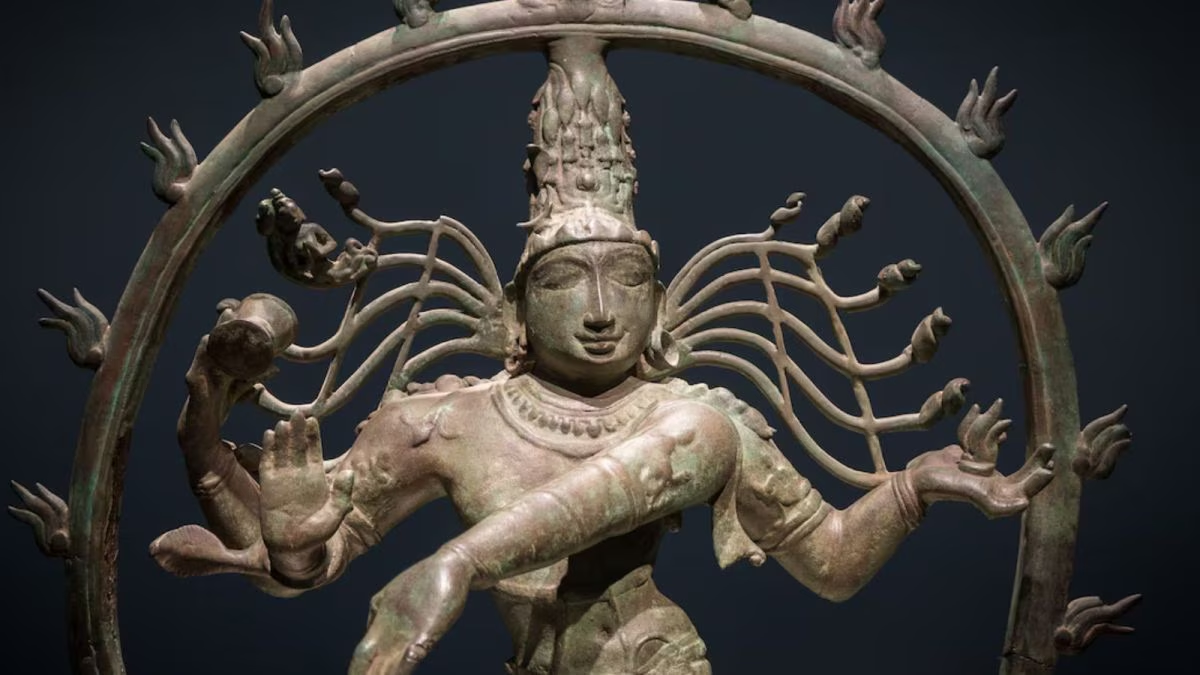
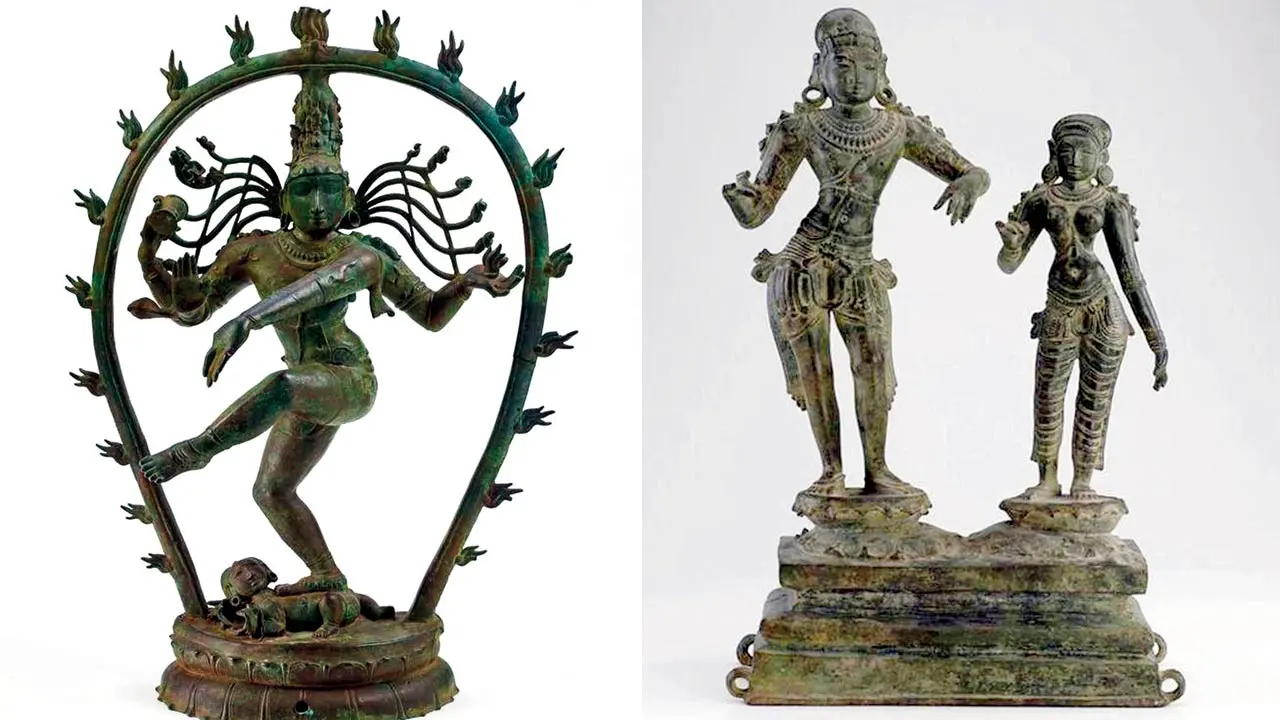
The artefacts chosen for return include some of the finest examples of South Indian bronze artistry. Among them is the famous Shiva Nataraja, a Chola-period sculpture dating back to the 10th century, celebrated for its intricate craftsmanship and depiction of the cosmic dance of Lord Shiva. Another is Somaskanda, a 12th-century Chola bronze showing Lord Shiva, Parvati, and their child Murugan, which exemplifies the finesse of Chola bronze-casting traditions. The third sculpture, Saint Sundarar with Paravai, belongs to the 16th-century Vijayanagar period and illustrates the devotional saint with his sacred bird, reflecting the spiritual life of that era.
All three were originally temple icons, used in religious ceremonies and processions. These objects were not merely decorative; they carried deep spiritual significance for worshippers and were integral to South India’s ritual practices. Their removal represents not just a physical loss but a cultural and religious void in the communities they originally served.
Provenance Investigation and Legal Findings
The decision to return the sculptures came after a thorough investigation into their provenance. The museum conducted a systematic review of its South Asia collection, closely examining transaction records, ownership histories, and archival photographs. Research in 2023 revealed photographs of the artefacts in Tamil Nadu temples between 1956 and 1959.
The Archaeological Survey of India confirmed that these objects were removed in violation of Indian antiquities law. Detailed verification showed that the Shiva Nataraja had been taken from the Sri Bhava Aushadesvara Temple and later sold to the museum in 2002 using falsified documents. This discovery highlighted the challenges museums face in ensuring that collections are ethically sourced and legally obtained.
The findings reinforce the importance of provenance research, a process that traces the history of an object to determine its legal and ethical ownership. This step is essential in addressing historical wrongs and building trust between countries in matters of cultural heritage.
Loan Agreement and Ethical Commitments
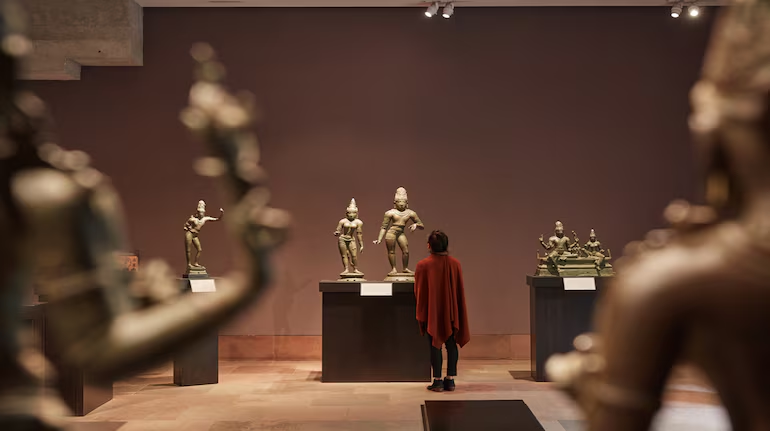
Although all three sculptures will be formally repatriated to India, an agreement has been made for the Shiva Nataraja to be placed on a long-term loan at the Smithsonian museum. This arrangement ensures the sculpture remains accessible to global audiences while fully acknowledging its history of removal and restitution.
Museum officials emphasized that such transparency is key to modern curatorial practices. By displaying the sculpture alongside information about its provenance and repatriation, visitors can learn about both the artistic significance of the work and the ethical issues surrounding cultural heritage. This approach combines education with accountability, setting an example for other institutions worldwide.
Significance of Chola Bronzes
Chola bronzes are internationally recognised for their exquisite artistry and advanced lost-wax casting techniques. These sculptures are more than just works of art; they are symbols of religious devotion and cultural identity. Temple icons like Shiva Nataraja and Somaskanda were used in ceremonial processions, carrying divine presence into the community.
India’s antiquities law strictly prohibits the unauthorised removal of heritage objects. This legislation protects cultural treasures from illegal export and ensures that sacred objects remain connected to their original communities. The repatriation of these bronzes reflects adherence to these laws and supports broader efforts to preserve India’s rich artistic heritage.
India–US Cooperation on Cultural Heritage
The repatriation process involved close collaboration between the Smithsonian museum, the Indian Embassy, and various international research and archival institutions. This partnership helped establish the sculptures’ provenance and facilitated a transparent and respectful return process.
Officials from both countries have described the move as a milestone in bilateral cooperation. It strengthens ties on cultural heritage protection and may serve as a precedent for further restitution of illegally removed artefacts. Such cooperation underscores the shared responsibility of nations and museums to ensure that cultural treasures are preserved and returned to their rightful homes.
Promoting Global Awareness and Ethical Practices
The return of these bronzes also plays an educational role. By highlighting the objects’ original context and the circumstances of their removal, museums can raise awareness about the importance of ethical collecting practices. Visitors gain insight into how cultural artefacts are intertwined with history, religion, and identity, and why respecting their provenance matters.
This initiative by the Smithsonian aligns with a broader international trend. Museums worldwide are increasingly recognising the moral and cultural imperative to investigate the origins of their collections and to return objects obtained through illicit or unethical means. The act of restitution is not only about correcting past mistakes but also about fostering global respect for cultural diversity.
A Historic Moment for Cultural Heritage as US Museum Returns Indian Bronze Sculptures
The US Museum Returns Indian Bronze Sculptures case highlights the evolving role of museums in the 21st century. Institutions are no longer just repositories of art; they are active participants in cultural diplomacy and ethical stewardship. By returning these masterpieces to India, the Smithsonian sets an example for transparency, collaboration, and respect for heritage.
For India, the repatriation of these iconic bronzes is a reaffirmation of its rich cultural legacy and a reminder of the importance of preserving and safeguarding heritage for future generations. These sculptures, once lost to foreign collections, can now inspire and educate in their rightful cultural and spiritual context.