



Bay of Bengal Ozone Discovery

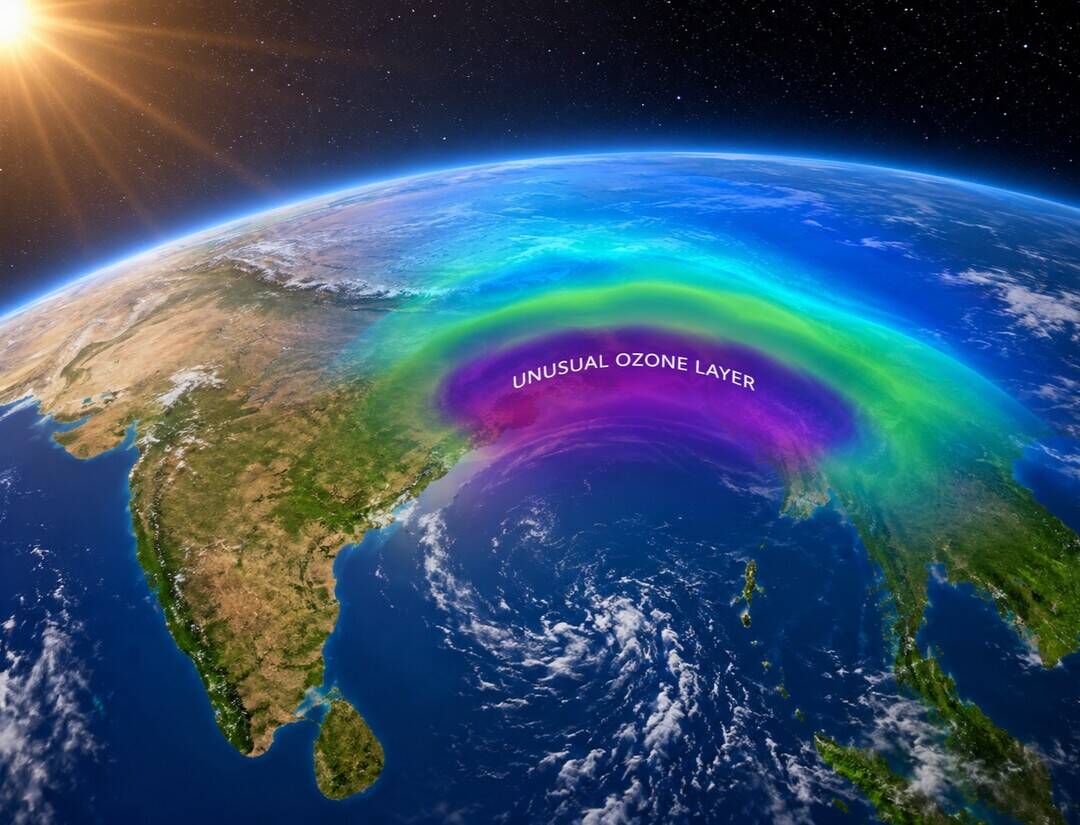
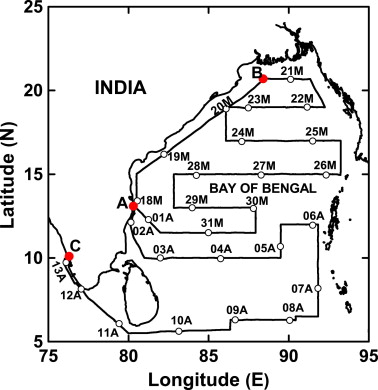
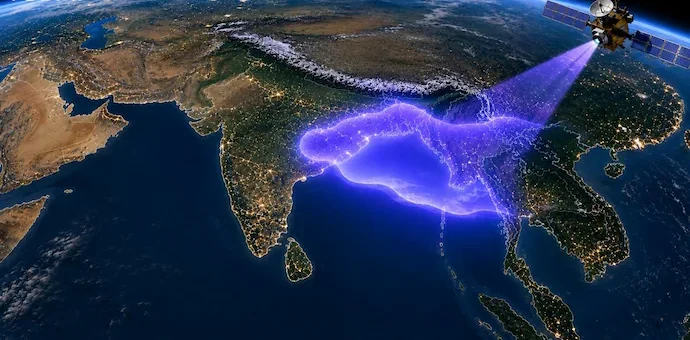
Bay of Bengal ozone has attracted scientific attention after researchers detected an unusually thick and highly concentrated layer of ozone over the North Bay of Bengal at an altitude of about 21 to 23 kilometres above the Earth’s surface. The observation was recorded during Phase-I of the NetRAD-ASMA campaign and was documented on 10 August 2026. The finding provides scientists with new information about how ozone-rich air can move and become concentrated in different parts of the atmosphere.
Thank you for reading this post, don't forget to subscribe!The discovery is important because the ozone layer normally shows its highest concentration at a somewhat greater height, generally around 25 to 30 kilometres above the Earth’s surface. The unusual layer observed over the North Bay of Bengal was therefore lower than the usual peak region. Researchers studied the event using advanced atmospheric observation systems and found that the increase was linked to the downward movement and redistribution of ozone-rich air.
Unusual Ozone Layer Over the North Bay of Bengal
Ozone is a form of oxygen made up of three oxygen atoms and is represented by the chemical formula O₃. A large amount of atmospheric ozone is found in the stratosphere, a layer of Earth’s atmosphere located above the troposphere.
The ozone layer is extremely important for life because it absorbs much of the Sun’s harmful ultraviolet radiation. Changes in the amount and distribution of ozone can therefore have important effects on the atmosphere and the environment.
The newly observed Bay of Bengal ozone layer was unusual not simply because of its concentration but also because of its location. Researchers detected the ozone enhancement between 21 and 23 kilometres above the surface, below the altitude where ozone concentration commonly reaches its maximum.
What Is the Ozone Layer?
The ozone layer is not a solid sheet surrounding Earth. It is a region within the stratosphere where ozone molecules are present in relatively higher concentrations.
Ozone is continuously created and destroyed through chemical reactions involving sunlight and oxygen. This natural cycle helps maintain a balance in the atmosphere.
When ultraviolet radiation from the Sun reaches oxygen molecules, it can split them into individual oxygen atoms. These atoms can then combine with oxygen molecules to form ozone.
Ozone can also be broken down by sunlight and other chemical reactions. The balance between ozone production, destruction and movement determines how much ozone is present at different heights and locations.
Why the Discovery Is Significant
The unusual Bay of Bengal ozone observation gives researchers a closer look at atmospheric transport over the Indian region. The atmosphere is constantly moving, and air from one region can travel vertically and horizontally over long distances.
The study found that the enhanced ozone concentration was connected with the downward movement of ozone-rich air from higher parts of the atmosphere. This process is known as downward transport.
Understanding this movement can help scientists improve their knowledge of the stratosphere and its connection with the lower atmosphere.
NetRAD-ASMA Campaign Studies the Atmosphere
The observation was made during Phase-I of the NetRAD-ASMA campaign, a nationwide scientific effort designed to study atmospheric processes and transport patterns over India.
The campaign brings together observations from different scientific instruments. These include satellites, weather balloons and atmospheric radars.
Using several observation methods allows researchers to study the atmosphere from different perspectives. Satellites provide large-scale information, while ground-based instruments can provide detailed measurements over particular regions.
Atmospheric radars are especially useful for studying the movement and structure of air at different heights.
Advanced Radar Technology Used in the Study
One of the important instruments used in the research was an indigenously developed 206.5 MHz Stratosphere-Troposphere Radar at the Aryabhatta Research Institute of Observational Sciences, or ARIES, in Nainital.
Similar radar systems were also used at Haringhata, Gadanki and Kochi. These observation stations provide information about atmospheric conditions over different parts of India.
The use of multiple radar locations is important because atmospheric conditions can change considerably from one region to another. By comparing observations, researchers can develop a better understanding of how air moves through different layers of the atmosphere.
Ozone Enhancement Lasted More Than 24 Hours
One of the notable features of the observation was its duration. The unusual ozone enhancement continued for more than 24 hours.
A temporary increase in ozone can occur because of changes in atmospheric circulation and air movement. However, observing the event for such an extended period gave researchers an opportunity to study the process in greater detail.
The measurements suggested that the ozone did not simply appear suddenly at the observed altitude. Instead, ozone-rich air was transported downward and redistributed in the region.
This provides useful information about the connection between different parts of the atmosphere.
Downward Transport of Ozone-Rich Air
The researchers identified downward transport as the main reason for the unusual ozone concentration.
Air in the atmosphere is constantly moving. Under certain weather and circulation conditions, air from higher altitudes can move downward. When that air contains a relatively high concentration of ozone, it can create an ozone enhancement at lower levels.
The process is important for atmospheric science because ozone distribution is influenced not only by chemical reactions but also by physical movement of air.
The North Bay of Bengal observation therefore provides a useful example of how atmospheric transport can change the concentration of gases at particular heights.
Importance of the Bay of Bengal Region
The Bay of Bengal is an important region for atmospheric research because it is influenced by tropical weather systems, seasonal winds, monsoon circulation and large-scale changes in the atmosphere.
The region also plays an important role in India’s climate system. Moisture from the Bay of Bengal contributes significantly to rainfall over eastern, northeastern and northern parts of the Indian subcontinent.
Because atmospheric circulation over the region can change with seasons and weather systems, scientists closely monitor its upper atmosphere as well as conditions near the surface.
The new Bay of Bengal ozone observation adds another area of scientific interest to the region.
Connection With India’s Atmospheric Research
The discovery also highlights India’s growing ability to conduct detailed atmospheric research using domestic scientific infrastructure.
The 206.5 MHz radar used at ARIES was developed within India. Ground-based radar networks allow scientists to continuously monitor atmospheric conditions without depending entirely on observations from other countries.
Combining these measurements with satellite data and balloon observations provides a more complete picture of atmospheric behaviour.
Such research can support studies related to weather, climate, atmospheric chemistry and the interaction between different layers of the atmosphere.
Role of ARIES in the Research
The Aryabhatta Research Institute of Observational Sciences, known as ARIES, is an autonomous research institute under India’s Department of Science and Technology.
The institute is located in Nainital, Uttarakhand, and is known for research in astronomy, astrophysics and atmospheric sciences.
For the ozone study, researchers from ARIES played an important role in examining the atmospheric observations. Dr. Manish Naja and Dr. Samaresh Bhattacharjee were identified as key researchers associated with the work.
Their research contributes to India’s broader efforts to understand atmospheric processes over the Indian region.
Why Atmospheric Monitoring Matters
Continuous monitoring of the atmosphere helps scientists identify changes that may not be visible from surface observations.
The atmosphere extends hundreds of kilometres above Earth and is divided into different layers. Each layer has different temperatures, gases and physical processes.
The troposphere, where most weather occurs, extends upward from Earth’s surface. Above it is the stratosphere, where the main ozone layer is located.
Events involving the movement of gases between these layers can affect atmospheric chemistry and circulation. Regular observations help scientists identify such events and understand their causes.
Ozone and Ultraviolet Radiation
The importance of ozone is closely linked with its ability to absorb ultraviolet radiation from the Sun.
Ultraviolet radiation includes different types of radiation, some of which can damage living cells. Excessive exposure can increase risks to human health and can also affect plants, animals and marine ecosystems.
The ozone layer acts as a natural protective system by absorbing a large portion of harmful ultraviolet radiation before it reaches Earth’s surface.
For this reason, scientists around the world monitor ozone levels and study changes in its concentration and movement.
Ozone Distribution Is Not the Same Everywhere
The amount of ozone in the atmosphere is not constant. It changes with altitude, season, latitude, atmospheric circulation and chemical processes.
The largest concentration is generally found within the stratosphere, but the exact distribution can change with atmospheric conditions.
The unusual layer observed over the North Bay of Bengal demonstrates this changing nature of atmospheric gases. It also shows why observations at different heights are important.
Instead of viewing the ozone layer as a fixed region, scientists study it as a dynamic part of Earth’s atmosphere.
Importance for Climate and Weather Research
Ozone is also connected with atmospheric temperature and circulation. Because ozone absorbs ultraviolet radiation, it contributes to heating in the stratosphere.
Changes in ozone distribution can therefore influence atmospheric processes at different levels.
Researchers studying the Bay of Bengal ozone event can use the observations to better understand how air moves between the upper and lower parts of the atmosphere.
Such knowledge can contribute to broader research into weather patterns, monsoon behaviour and long-term atmospheric changes.
India Expands Atmospheric Observation Network
India has developed several facilities for monitoring the atmosphere. These include radar systems, satellite missions, weather stations, balloon-based instruments and research centres.
A network of observation systems is particularly useful in a country as geographically diverse as India. The Himalayan region, Indo-Gangetic plains, peninsular India and coastal areas experience different atmospheric conditions.
Observations from Nainital, Haringhata, Gadanki and Kochi can therefore provide valuable information about atmospheric processes across different regions.
A New Look at Ozone Movement
The unusual ozone layer over the North Bay of Bengal is important because it provides quantitative experimental evidence of ozone redistribution over India’s subtropical region.
Rather than being explained only through chemical production, the observation points to the role of atmospheric movement in changing ozone concentration.
This makes the finding useful for scientists studying the relationship between stratospheric circulation and atmospheric composition.
The event also demonstrates why long-term atmospheric monitoring is necessary. A single observation can identify an unusual event, while repeated measurements can help scientists understand whether similar patterns occur during other seasons and under different weather conditions.
The Role of Technology in Atmospheric Science
Modern atmospheric research increasingly depends on the combination of different technologies. Satellites can monitor large areas, radar can track atmospheric movement, and balloons can collect measurements at different heights.
When these sources are combined, scientists can develop a more detailed understanding of atmospheric events.
The NetRAD-ASMA campaign is an example of this multi-instrument approach. Its observations can help researchers study atmospheric transport across India and identify unusual conditions such as the ozone enhancement detected over the Bay of Bengal.
What the Discovery Adds to Current Science
The 2026 observation adds new information to the understanding of stratospheric ozone behaviour over the Indian region. It shows that ozone-rich air can move downward and create an unusual concentration at an altitude below the normal peak ozone region.
The finding is especially valuable because it was supported by measurements from advanced radar observations and other atmospheric data sources.
For scientists, such observations can help improve atmospheric models and encourage further research into seasonal circulation and vertical transport.
The Bay of Bengal ozone event therefore represents an important atmospheric observation from India, linking modern radar technology, atmospheric chemistry and regional climate research.