



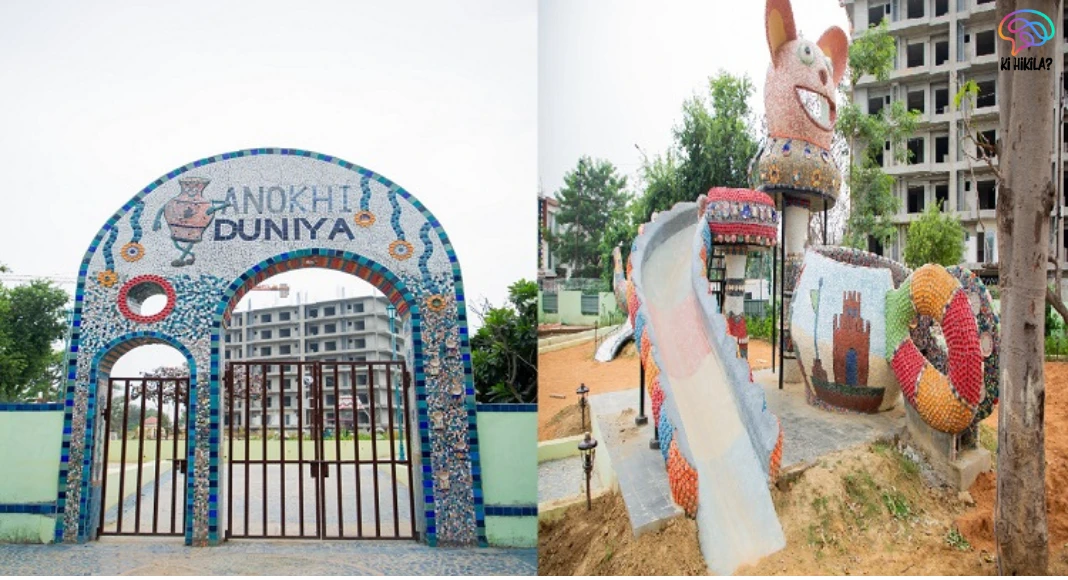
Anokhi Duniya: Uttar Pradesh’s First Ceramic Waste Park Redefining Sustainability and Art

Anokhi Duniya is a groundbreaking initiative launched by the state government of Uttar Pradesh, marking a global milestone as the world’s first park made entirely from ceramic waste. Located in Khurja, Bulandshahr district, known as India’s “ceramic capital,” this unique park stands as a symbol of sustainability, innovation, and artistic transformation. The park is scheduled to open by the end of September 2025, blending eco-friendly design with cultural heritage and creative excellence.
Thank you for reading this post, don't forget to subscribe!Anokhi Duniya Project Overview
Built on a two-acre site in Khurja, Bulandshahr, Anokhi Duniya has been developed under a Public-Private Partnership (PPP) model. This model ensures collaboration between the state and private entities for sustainable development. The park transforms more than 80 tonnes of discarded ceramic waste into mesmerizing artistic installations, giving a second life to materials that would otherwise pollute the environment.
The project is part of Uttar Pradesh’s One District One Product (ODOP) scheme, an initiative designed to promote traditional crafts and boost local industries. Khurja’s ceramics have long been recognized for their intricate designs and craftsmanship, and this park showcases their global potential.
Anokhi Duniya Significance and Innovation
The Anokhi Duniya project is more than just a creative space; it represents a significant step toward waste management and environmental consciousness. The park features around 100 unique ceramic artworks crafted by a team of six talented artists and 120 local artisans. These installations include 28 large-scale structures made from broken cups, kettles, plates, and pitchers, which beautifully demonstrate how waste can be turned into wonder.
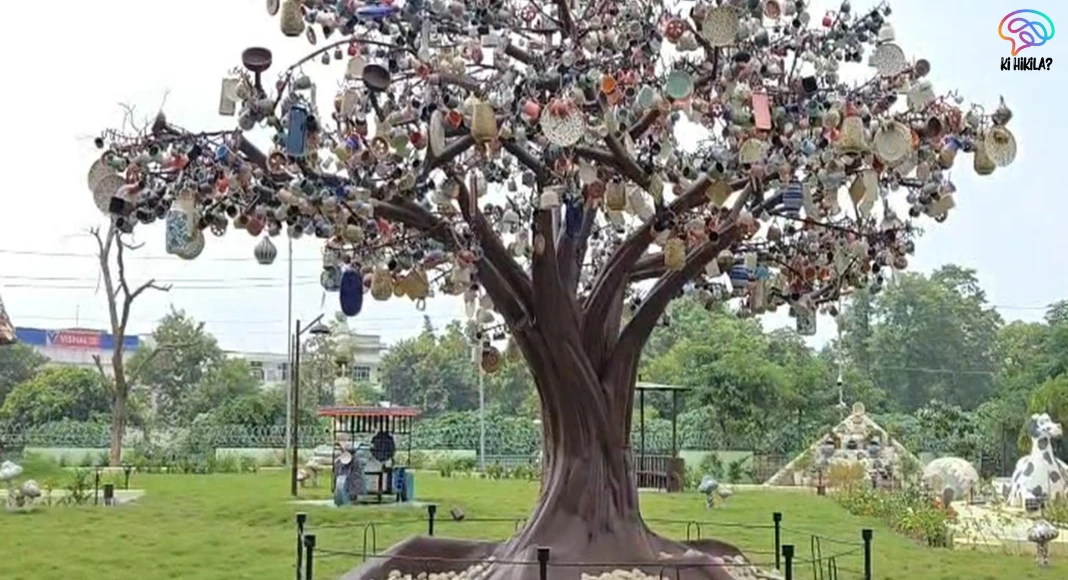
The initiative also aligns with the Swachh Bharat Abhiyan, promoting cleanliness, recycling, and sustainable art. It encourages visitors to rethink waste, not as an unwanted material, but as a valuable resource for creativity and innovation.
Anokhi Duniya Design and Visitor Experience
Designed to captivate both locals and tourists, Anokhi Duniya offers a vibrant and immersive experience. Visitors will be greeted by colorful and artistic installations made entirely from discarded ceramics, blending culture with sustainability.
The park features dedicated selfie points, a relaxing café, and landscaped gardens that provide an inviting and aesthetic atmosphere. It is envisioned to become a major tourist attraction for both domestic and international visitors, helping Khurja gain global recognition as a center for artistic excellence and eco-friendly innovation.
The layout of Anokhi Duniya ensures inclusivity, offering an engaging space for all age groups—from children fascinated by the artwork to adults inspired by its environmental message. Every corner of the park tells a story of transformation, from waste to wonder, from neglect to beauty.
Its Economic and Cultural Impact
Constructed with an estimated investment of Rs 5.86 crore, Anokhi Duniya is expected to significantly boost the local economy of Khurja. By creating employment opportunities for artisans, designers, and maintenance staff, the project not only sustains livelihoods but also strengthens the region’s identity as a global ceramic hub.
The minimal entry fee will ensure that the park remains accessible while generating revenue for upkeep and expansion. This approach guarantees long-term sustainability while maintaining affordability for families and students.
Moreover, Anokhi Duniya acts as a live gallery that celebrates India’s traditional craftsmanship. It revitalizes interest in Khurja pottery and connects younger generations to their cultural roots. The park’s model demonstrates how traditional industries can evolve by integrating sustainability with modern innovation.
Government Vision for Sustainability
The creation of Anokhi Duniya reflects the Yogi Adityanath government’s broader vision to revive traditional industries while ensuring environmental conservation. By creatively repurposing ceramic waste, the project promotes sustainable development and contributes to waste management solutions.
This initiative underscores the government’s commitment to balancing industrial growth with ecological responsibility. It not only transforms waste into art but also spreads awareness about environmental consciousness among citizens.
The project is in harmony with national missions like Swachh Bharat Abhiyan and Make in India, reflecting how regional innovation can support national goals. By converting discarded ceramics into creative expressions, Anokhi Duniya sends a powerful message about reusing, recycling, and reimagining materials for a cleaner and greener future.
Anokhi Duniya as a Model for Sustainable Art Parks
Anokhi Duniya has the potential to inspire similar projects across India and beyond. As the world grapples with the challenges of waste management, this park provides a replicable model of how art and sustainability can coexist. It combines environmental awareness with local skill development and tourism promotion.

With its blend of creativity, sustainability, and economic empowerment, Anokhi Duniya stands as a beacon of innovation and cultural pride. It demonstrates that progress does not always mean industrial expansion; sometimes, it means finding beauty and purpose in what we discard.
The success of Anokhi Duniya could encourage other states to create eco-art installations using locally available waste materials. Such projects can transform waste disposal challenges into opportunities for artistic expression and social development.
As Anokhi Duniya prepares to welcome visitors, it carries a message that art can change perspectives, innovation can reshape industries, and sustainability can redefine progress.