Defence TPCR 2025: India’s Strategic Roadmap for Advanced Military Modernisation

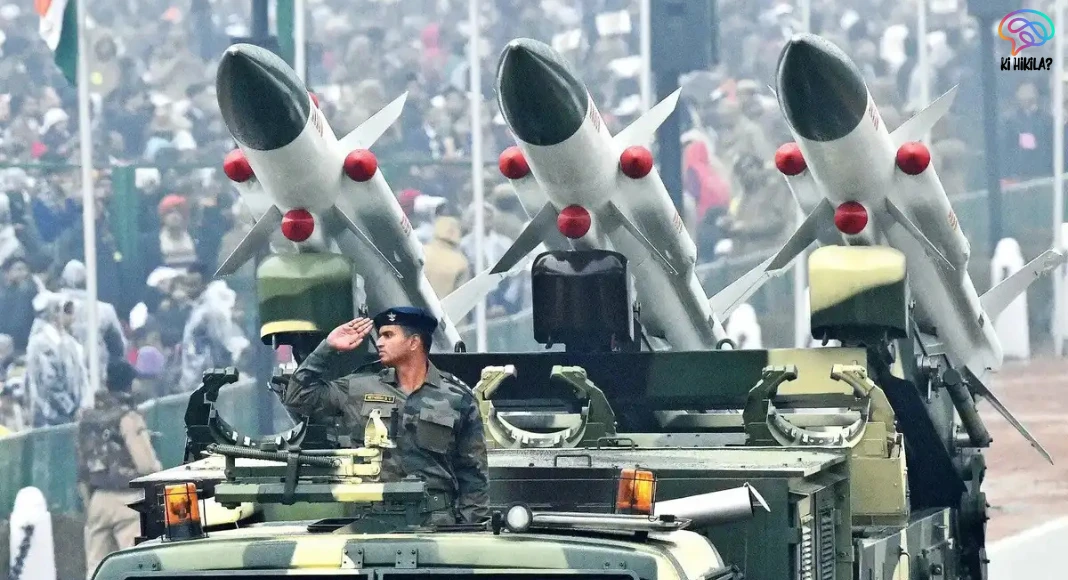
Defence TPCR 2025 marks a transformative moment in India’s defence strategy. The Ministry of Defence has unveiled the Technology Perspective and Capability Roadmap (TPCR-2025) a 15-year visionary blueprint that outlines how India plans to strengthen its nuclear deterrence, enhance drone warfare, and achieve technological self-reliance. This document reflects India’s ambition to build a future-ready armed force capable of tackling multi-domain warfare challenges across land, sea, air, cyber, and space.
Thank you for reading this post, don't forget to subscribe!The roadmap aligns closely with the government’s ‘Atmanirbhar Bharat’ mission, calling for greater domestic innovation, production, and research to ensure self-sufficiency in critical defence technologies.
Defence TPCR 2025 and Its Strategic Vision
The Defence TPCR 2025 serves as a guiding document for India’s Army, Navy, and Air Force, mapping technological and capability development goals up to the year 2040. This roadmap encourages the Indian defence industry, academic institutions, and research bodies to align their efforts with national military objectives.
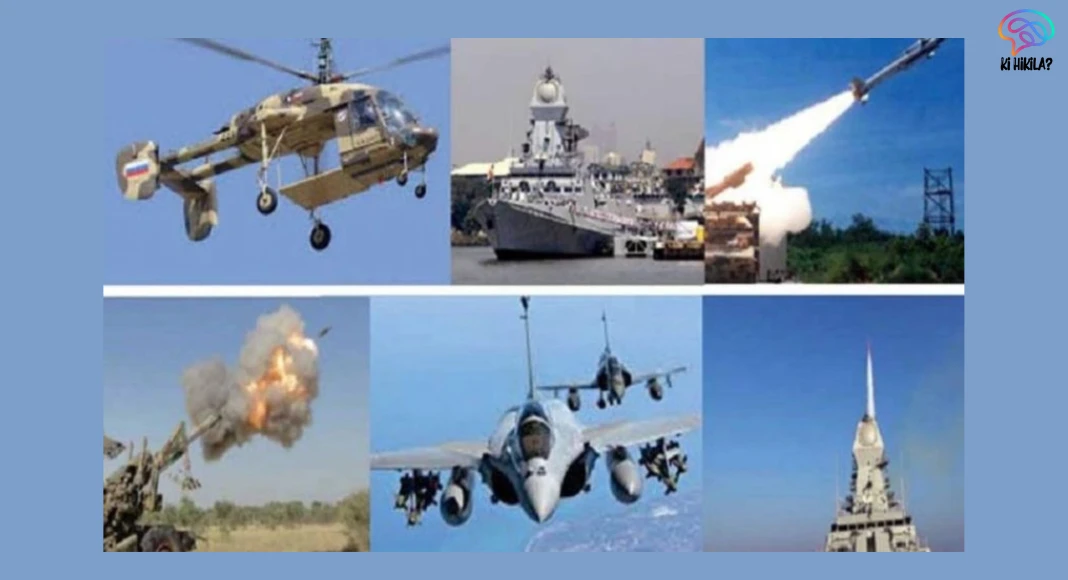
At its core, the plan seeks to reduce foreign dependence by promoting indigenous research, production, and collaboration. This approach not only boosts national security but also positions India as a global hub for defence innovation and exports.
Defence TPCR 2025: Strengthening Nuclear Deterrence
A key highlight of the Defence TPCR 2025 is the enhancement of India’s nuclear deterrence capabilities. The roadmap focuses on improving survivability and operational readiness through new delivery platforms, upgraded command systems, and robust communication infrastructure.
The plan envisions the development of advanced nuclear command-and-control systems, mobile decontamination units, and unmanned ground vehicles for Chemical, Biological, Radiological, and Nuclear (CBRN) reconnaissance. These measures will ensure swift response during nuclear contingencies and reinforce India’s defensive resilience against chemical or radiological threats.
By integrating advanced detection systems and autonomous tools, the roadmap aims to maintain strategic stability while ensuring India’s nuclear assets remain secure and operational under all circumstances.
Expansion of Drone Warfare Capabilities
The Defence TPCR 2025 places significant emphasis on expanding India’s drone and unmanned warfare capabilities. The Indian Army plans to introduce stealth drones capable of operating at altitudes up to 60,000 feet with ranges exceeding 1,500 kilometres. These drones will be equipped with electronic warfare payloads, NBC (nuclear, biological, and chemical) detection systems, and AI-based targeting sensors.
Loitering munitions, featuring reusable warheads and precision-guided systems, will enhance India’s strike capabilities in both conventional and asymmetric warfare. Integrated drone networks will support mechanised units by providing real-time surveillance, reconnaissance, and target acquisition data.
This development marks a major leap in India’s pursuit of modern combat readiness, enabling the armed forces to operate seamlessly across terrains and environments.
DCounter-Drone and Electronic Warfare Focus
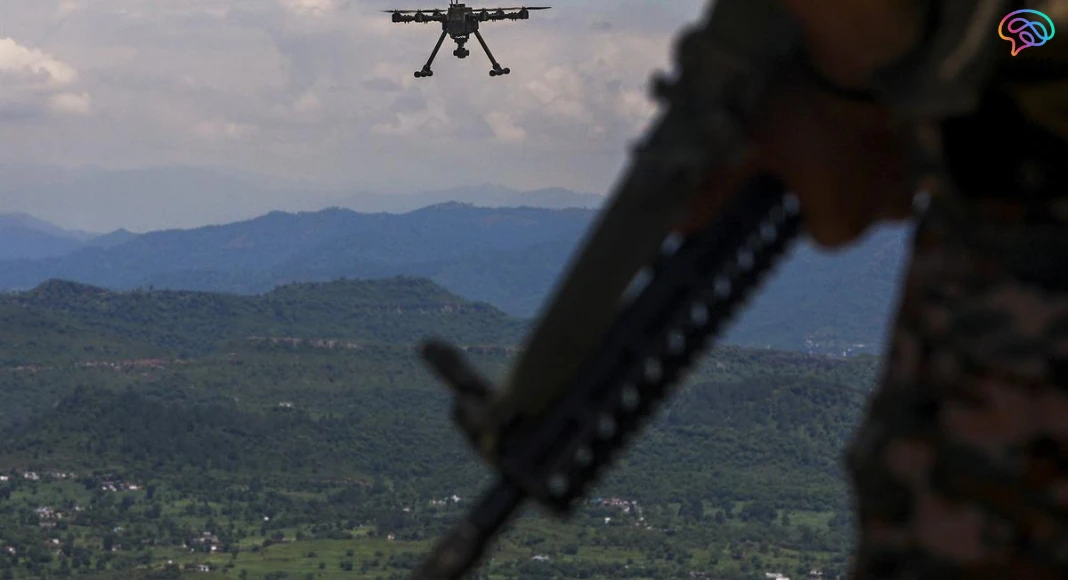
The Defence TPCR 2025 addresses one of the most pressing challenges in modern combat countering hostile drone swarms and electronic threats. The roadmap includes adaptive jamming technologies capable of neutralising enemy drones within a 15-kilometre radius through electronic denial zones.
The integration of AI-driven cyber defence tools, quantum communication systems, and space-based surveillance networks highlights India’s commitment to building a comprehensive electronic and cyber warfare ecosystem.
This section of the roadmap underscores the growing importance of digital dominance in contemporary and future warfare, where information superiority can determine victory or defeat.
Service-Specific Modernisation Initiatives
The Defence TPCR 2025 envisions distinct modernisation goals for each service branch while ensuring joint operability across missions.
- Indian Navy: Plans include the development of nuclear propulsion systems, a next-generation aircraft carrier featuring an Electromagnetic Aircraft Launch System (EMALS), and the induction of autonomous underwater vehicles and fast interceptor craft.
- Indian Army: Focused on replacing outdated vehicles with 1,800 Future Ready Combat Vehicles and introducing light tanks designed for mountain warfare.
- Indian Air Force: Set to deploy directed-energy laser weapons, stealth bomber drones, and high-altitude pseudo-satellites for persistent aerial surveillance.
These initiatives will collectively elevate India’s defence readiness and ensure seamless coordination among the three services.
Defence TPCR 2025: Cross-Cutting Technologies for the Future
The Defence TPCR 2025 identifies over 500 technologies as critical to future warfare. Among them, hypersonic missiles powered by scramjet propulsion are being prioritised for their ability to deliver rapid, precise, and hard-to-intercept strikes.
Artificial Intelligence (AI), machine learning, and digital twin simulations will enable predictive warfare and faster decision-making. The roadmap also highlights sustainability through green logistics, renewable energy integration, and energy-efficient systems within the armed forces.
By combining technological innovation with environmental responsibility, India aims to set new benchmarks in sustainable defence preparedness.
A Leap Towards Self-Reliance and Global Readiness
The Defence TPCR 2025 embodies India’s commitment to transforming its defence ecosystem into a self-reliant, technologically advanced, and globally competitive force. It lays the foundation for integrating next-generation warfare technologies with indigenous production capabilities.
From strengthening nuclear deterrence to deploying stealth drones and quantum networks, the roadmap ensures India’s defence forces remain prepared for emerging threats and future conflicts. With its long-term vision, the TPCR-2025 will serve as a catalyst for innovation, collaboration, and strategic autonomy in the years ahead.