

Combat Parachute System Tested in Ladakh

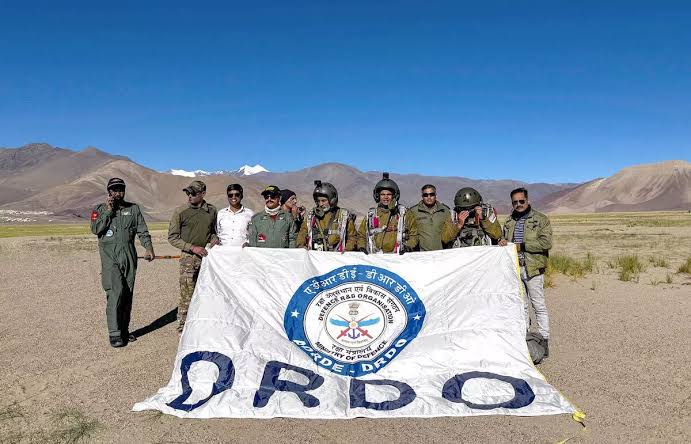
Combat Parachute System developed by the Defence Research and Development Organisation (DRDO) was successfully tested during a high-altitude trial in Ladakh on 26 August 2026. The indigenous Military Combat Parachute System (MCPS) was tested at the Nyoma-Mudh Drop Zone in Leh district under extremely cold and challenging conditions. The trial took place from an altitude of around 22,000 feet above mean sea level, where temperatures dropped to nearly minus 15 degrees Celsius.
The successful test is part of India’s continuing efforts to develop indigenous defence technologies for operations in difficult environments. High-altitude areas such as Ladakh present unique challenges because of low oxygen levels, freezing temperatures, strong winds and rugged terrain. Specialised equipment is therefore required to support military personnel operating in these conditions.

Combat Parachute System for High-Altitude Operations
The Military Combat Parachute System is designed to support high-altitude deployment by the Indian Armed Forces. It is an indigenous parachute platform developed for operations where personnel may need to be deployed from aircraft at very high altitudes.
According to the available details, the system had earlier been tested at an altitude of up to 32,000 feet in October 2025. The latest trial at 22,000 feet further demonstrated its ability to operate under challenging conditions.
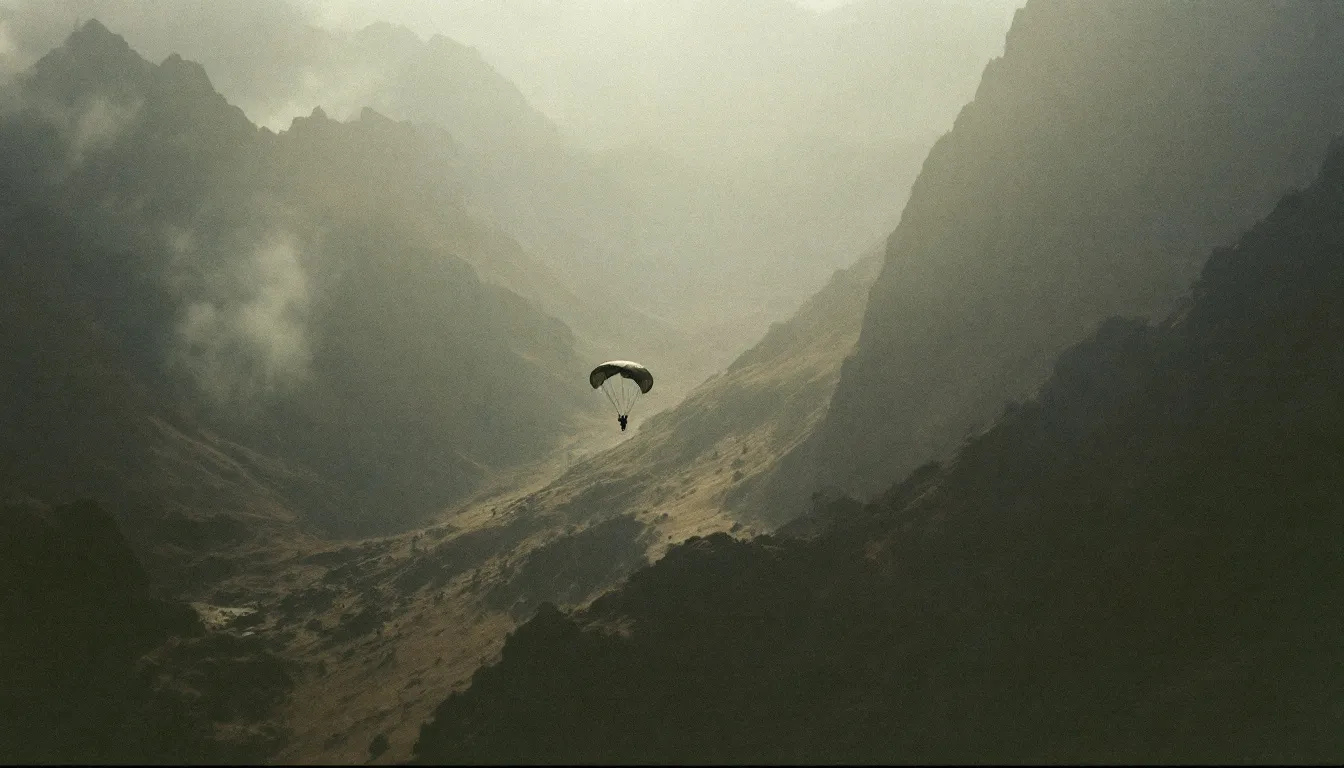
During the 26 August trial, the parachute jumpers deployed the parachute at approximately 20,000 feet and landed safely at around 13,700 feet. Such operations require careful coordination because atmospheric conditions can change rapidly at high altitudes.
DRDO and Indigenous Technology Development
The project was designed and developed by the Aerial Delivery Research and Development Establishment (ADRDE), a DRDO laboratory based in Agra. ADRDE works on parachutes, aerial delivery systems and related technologies used by the armed forces.
The development programme also involved the Defence Bioengineering and Electromedical Laboratory (DEBEL) in Bengaluru. DEBEL contributed to the physiological and life-support aspects of the system, which are particularly important for personnel operating at high altitudes where oxygen levels are low.
The development of the Combat Parachute System reflects the wider push towards indigenous defence manufacturing and technology development in India. In recent years, Indian defence agencies and domestic industries have increased their focus on locally developed systems for aircraft, missiles, drones, communication equipment and specialised military gear.
Advanced Features of the MCPS
The Combat Parachute System includes several specialised features designed for demanding operational conditions. It is equipped with a para computer, an oxygen system and thermal jumpsuits to support personnel during high-altitude jumps.
The para computer helps jumpers manage important information during the operation. The oxygen system is essential because the amount of breathable oxygen decreases significantly at high altitudes. Thermal clothing helps protect personnel from extreme cold temperatures.
The system also includes advanced steering capability and a lower rate of descent, helping jumpers maintain better control during landing. Another important feature is its integration with NavIC, India’s regional satellite navigation system. Navigation support can be particularly useful during operations in remote mountain regions where weather and terrain can make movement difficult.
High-Altitude Trial in Ladakh
The latest trial was conducted by Wing Commander Rahul Jha, MWO R J Singh and MWO Vivek Tiwari. All the jumpers completed the trial safely.
The Nyoma-Mudh Drop Zone was selected because Ladakh provides conditions similar to those faced during real high-altitude operations. The region has steep mountains, cold weather and thin air, making it suitable for testing specialised military equipment.
Ladakh remains strategically important for India, and the development of equipment suitable for extreme altitudes continues to be an important area of defence research. Technologies that can operate reliably in cold and low-oxygen environments can improve the mobility and preparedness of personnel deployed in remote Himalayan regions.
The successful high-altitude trial adds to the ongoing development of India’s indigenous defence capabilities and highlights the growing role of specialised technology in modern operations across difficult terrain.