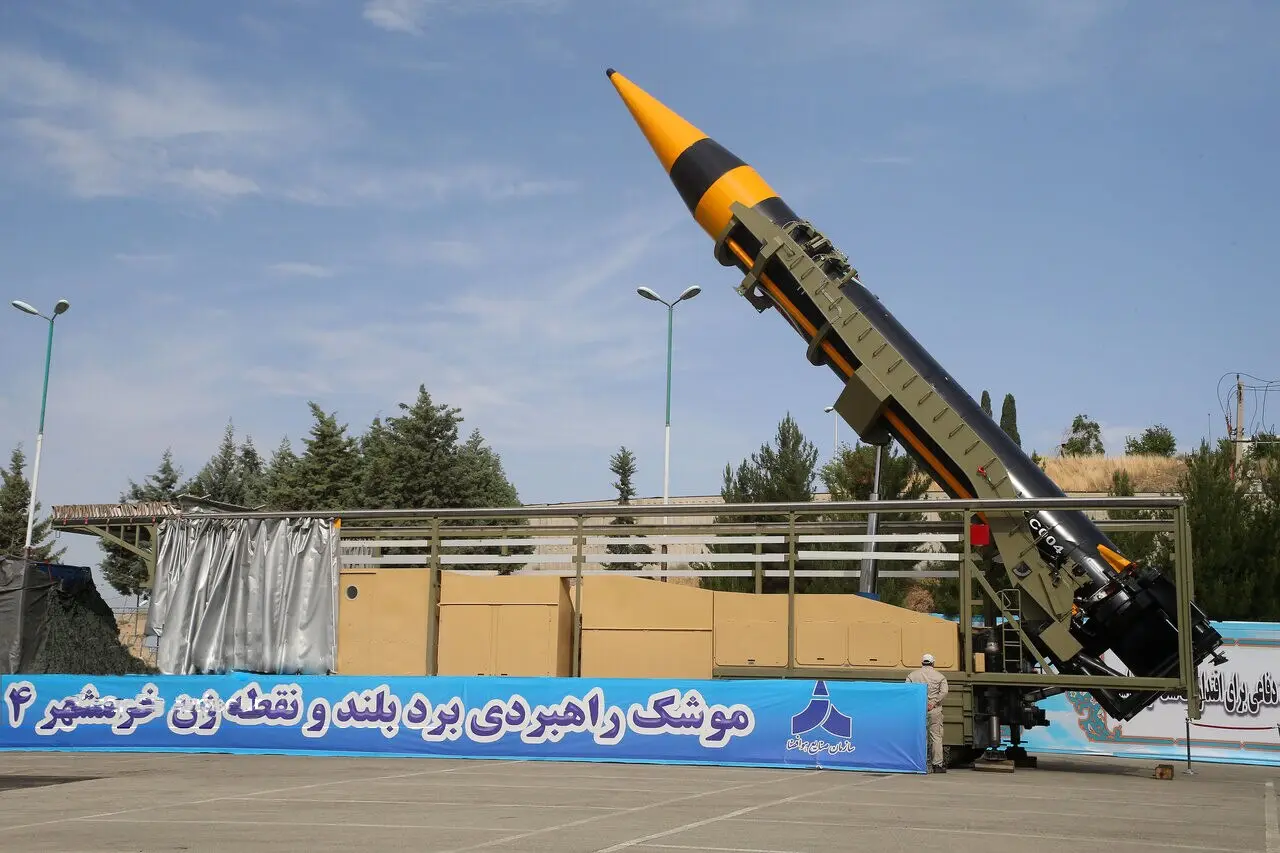
Khorramshahr-4 Missile Tensions: Iran Sends a Strong Signal Amid Rising Regional Strain

Khorramshahr-4 Missile Tensions have come into sharp focus after Iran released dramatic new footage of its powerful Khorramshahr-4 ballistic missile. The video, shared through state-linked media platforms, arrives at a moment of growing strain between Tehran and the United States, as American naval forces continue operations close to Iranian waters.
Thank you for reading this post, don't forget to subscribe!The images are widely seen as a clear message of deterrence. By showcasing one of its most capable missiles, Iran appears determined to remind both regional rivals and global powers that it maintains the ability to respond forcefully if it feels threatened.
A Carefully Timed Display
The timing of the missile footage is not accidental. It comes as US aircraft carriers patrol areas near the Persian Gulf, a region that remains central to global energy flows and international trade. For decades, this narrow stretch of water has been one of the world’s most sensitive military zones, where even small signals can carry large political meaning.
While Washington describes its naval presence as routine and defensive, Tehran views such deployments as pressure tactics. By releasing visuals of the Khorramshahr-4, Iranian leaders appear to be countering that pressure with a reminder of their own military reach.
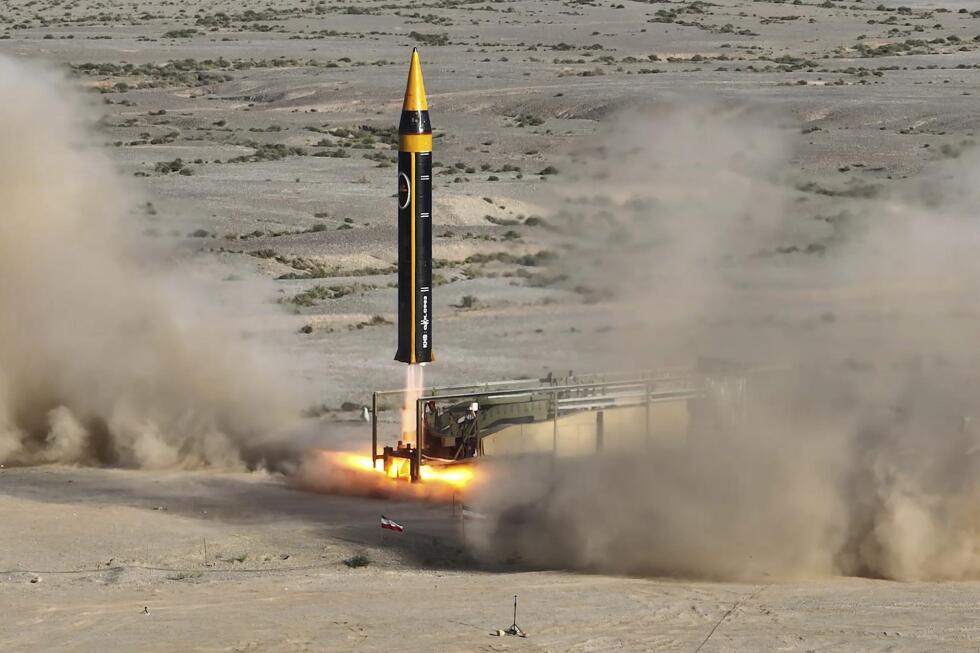
Inside the Khorramshahr-4 Missile
The Khorramshahr-4 is regarded as one of Iran’s most powerful medium-range ballistic missiles. Military analysts estimate its range at around 2,000 kilometres, placing large parts of West Asia within its reach. Its heavy payload capacity makes it especially significant, as it can potentially carry advanced warheads.
Iran has invested heavily in missile technology over the past two decades. Facing long-standing sanctions and limits on access to modern aircraft and air defence systems, Tehran has turned to missiles as a way to strengthen its national defence. Officials often describe this programme as essential for protecting the country from external threats.
Message to US Naval Forces
The release of the footage coincided with reports of US carriers, including the USS Abraham Lincoln and the USS Gerald R. Ford, operating near the region. Aircraft carriers are symbols of American military power, capable of launching air operations far from US shores.
From Iran’s perspective, highlighting the Khorramshahr-4 serves as a reminder that such high-value assets are not beyond reach. Iranian officials maintain that their missile forces are defensive and meant to deter attacks, not to start wars. Still, the visual message is clear: any military move near Iran’s borders will be closely watched and answered with strength.
Regional Impact and Wider Concerns
The Persian Gulf is far more than a regional waterway. A large share of the world’s oil and gas passes through it every day, making stability there a global concern. Any rise in military tension quickly affects energy markets and international diplomacy.
Analysts note that missile demonstrations have become a regular feature of geopolitical standoffs. Yet the current situation stands out because of the broader climate of mistrust between Tehran and Washington. Talks over sanctions, nuclear limits, and regional influence have stalled at various points, creating space for military signalling to take centre stage.
For neighbouring countries, such developments raise concerns about miscalculation. Even if neither side seeks direct conflict, displays of force increase the risk of misunderstanding, especially in crowded seas and airspace.
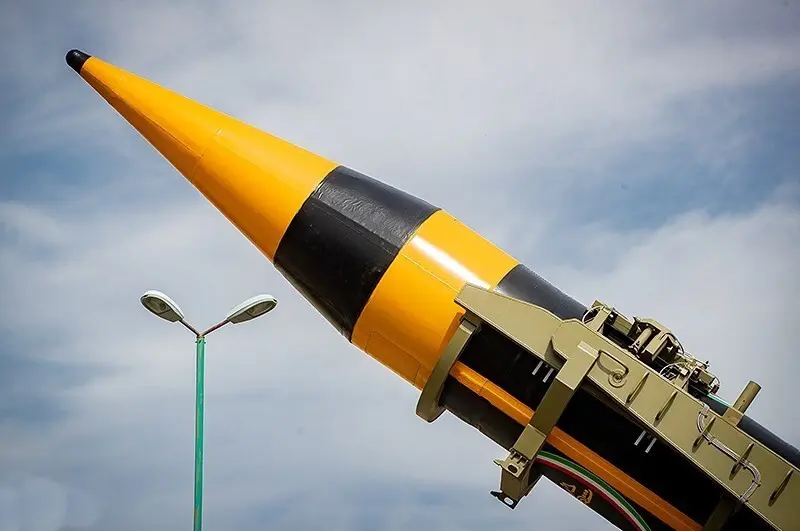
Deterrence as Strategic Communication
At its core, the release of the Khorramshahr-4 footage is about communication. Modern deterrence is not only built on weapons themselves but also on the perception that those weapons are ready and reliable. By showing the missile in action, Iran aims to reinforce that perception among both domestic audiences and foreign observers.
This approach reflects Iran’s broader defence doctrine, which relies on missiles and other asymmetric capabilities to offset the conventional military advantage of the United States. Rather than matching aircraft carriers or advanced fighter jets, Tehran focuses on tools that can raise the cost of any potential confrontation.
As Khorramshahr-4 Missile Tensions continue to shape headlines, the episode highlights how military technology, media, and politics intersect in today’s security landscape. The footage may last only minutes, but its message is intended to resonate far longer, reminding the world that the balance of power in West Asia remains fragile and closely watched.