



Biswanath: History, Geography, Culture, Temples and Tourist Places in Assam

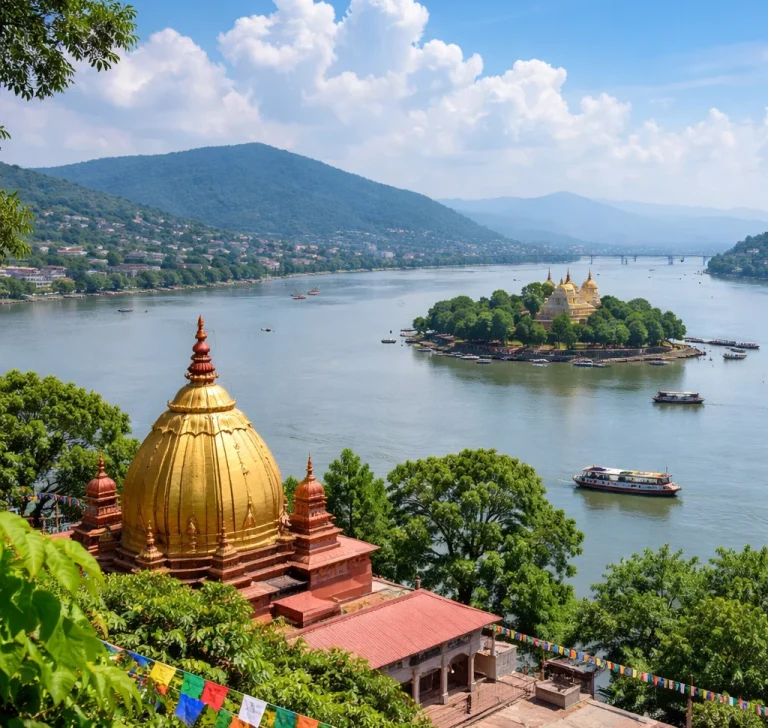
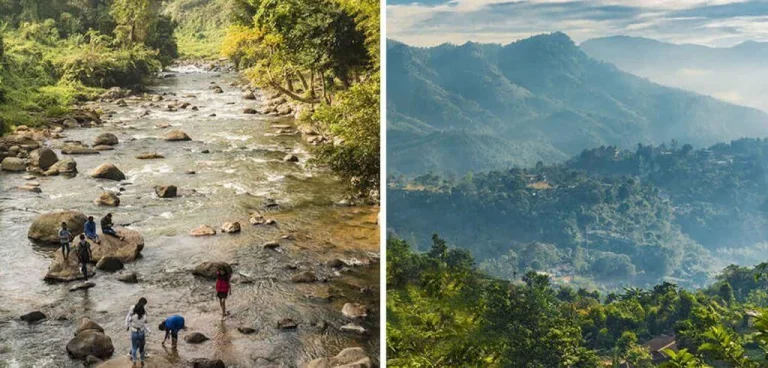
Biswanath is a historically important region of Assam, known for its ancient temples, religious traditions, archaeological remains, tea gardens and beautiful natural surroundings. Located in the northern part of Assam, on the north bank of the Brahmaputra River, Biswanath represents an important part of the state’s cultural and historical heritage. Its connection with the Ahom dynasty, early medieval temple architecture and traditional Assamese lifestyle makes it a fascinating place to explore.
Biswanath Chariali, the district headquarters, is an important administrative and commercial centre. The region is particularly famous for Biswanath Ghat, which is popularly known as the Gupta Kashi of Assam. It is also home to historical religious structures such as Biswanath Temple and Vasudev Doul, along with the archaeological remains of Bamgaon.

The district’s economy is supported by agriculture, tea cultivation, local trade and other activities. Its rivers, wetlands, agricultural plains and proximity to the Himalayan foothills add to its geographical importance.
Where Is Biswanath Located?
Biswanath is situated in northern Assam, in the Brahmaputra Valley. It lies on the north bank of the Brahmaputra River, between the river plains in the south and the foothills of Arunachal Pradesh in the north.
Biswanath Chariali serves as the district headquarters and one of the main commercial centres. Gohpur is another important town in the region.
According to the Government of Assam’s district information, the region is largely plain and has a geographical connection with the Brahmaputra floodplains and the Himalayan foothills.
Geographical Details of Biswanath
| Particulars | Information |
|---|---|
| Name | Biswanath |
| State | Assam |
| Region | Northern Assam |
| District headquarters | Biswanath Chariali |
| Important towns | Biswanath Chariali and Gohpur |
| Major river | Brahmaputra |
| Northern boundary | Arunachal Pradesh |
| Eastern neighbouring district | Lakhimpur |
| Western neighbouring district | Sonitpur |
| Southern boundary | Brahmaputra River |
| Geographical area | 1,796 sq. km |
| Agro-climatic zone | North Bank Plains |
Source: NABARD District Profile, Biswanath; Statistical Handbook, Assam. Area figures should be read with their respective statistical reference years.
The Brahmaputra River plays an important role in the geographical and economic life of the region. Several rivers originating in the Himalayan foothills flow southwards through the district and eventually join the Brahmaputra.
History of Biswanath
Biswanath has a long historical background connected with the development of ancient and medieval Assam. Its temples, archaeological remains and traditional religious centres provide evidence of the region’s historical importance.
The history of Biswanath is associated with different periods, including the early medieval period, the Ahom kingdom and British colonial administration.
Ancient and Early Medieval History
The archaeological remains found in Biswanath indicate that the region had developed religious and architectural traditions many centuries ago.
One of the most important archaeological locations is Bamgaon, near Biswanath Chariali. Excavations conducted during 2002–03 revealed the remains of an early medieval brick temple.
According to the Directorate of Archaeology, Government of Assam, the excavated temple remains date to approximately 800–900 CE. The discoveries included brick structures, sculptures and terracotta objects featuring birds, floral designs, human figures and animals.
These findings provide valuable information about the religious practices, artistic traditions and architectural development of early medieval Assam.
Biswanath During the Ahom Period
The Ahom dynasty played a major role in shaping the political, cultural and architectural history of Assam.
Biswanath contains important religious structures associated with the Ahom period. One of them is the historic Biswanath Temple, which the Directorate of Archaeology attributes to Ahom king Gadadhar Singha, who ruled from 1680 to 1696 CE.
The temple is an example of early Ahom temple architecture. Its brick construction, cruciform ground plan and decorative terracotta plaques make it historically significant.
Another important monument is Vasudev Doul at Kalabari. It is an Ahom-period brick temple dedicated to Lord Vishnu in his Vasudeva form.
These structures demonstrate the development of temple architecture and religious traditions during the Ahom period.
Biswanath During British Rule
During British colonial rule, Biswanath developed as an important river-based settlement and trading region.
Biswanath Ghat played a significant role in transportation and commerce because the Brahmaputra was an important route for moving people and goods.
River steamers connected different settlements along the Brahmaputra, supporting trade and communication.
Tea cultivation also became an important economic activity in the wider region. Tea estates, agricultural production and local markets contributed to employment and commercial development.
According to the historical account in the Government of Assam’s Biswanath Chariali planning document, the region was included in Darrang district in 1835.
Administrative History of Biswanath District
The administrative history of Biswanath has gone through several changes.
- 1835: Biswanath was associated with the then Darrang district.
- 1983: Following the reorganisation of Assam’s districts, the region became part of Sonitpur district.
- 2016: Biswanath became a separate district, with Biswanath Chariali as its headquarters.
- 2022–2023: The Assam Government temporarily merged Biswanath with Sonitpur as part of an administrative reorganisation.
- September 2023: The Government of Assam issued a new notification restoring Biswanath as an administrative district.
The notification dated 7 September 2023, published in the Assam Gazette on 8 September 2023, officially established Biswanath as an administrative district with its headquarters at Biswanath Chariali.
The notification defined the district’s geographical limits according to the newly delimited Biswanath, Gohpur and Behali Legislative Assembly constituencies.
This administrative history is important because older government documents may show different district boundaries and administrative arrangements.
Geography, Rivers and Climate of Biswanath
Biswanath has a predominantly plain landscape, with fertile agricultural areas, rivers, wetlands and green vegetation. Its geographical position between the Brahmaputra River and the Himalayan foothills influences its climate, drainage system and agricultural activities.
The district experiences a tropical monsoon climate. Summers are generally warm and humid, while winters are comparatively dry and comfortable.
The monsoon season brings considerable rainfall. Although rainfall supports agriculture, overflowing rivers and heavy rain can cause floods in low-lying areas.
Major Rivers of Biswanath
Rivers are an essential part of the district’s natural environment. They provide water for agriculture, support fishing activities and contribute to the region’s biodiversity.
Important rivers include:
- Brahmaputra: Forms the southern boundary of the district and supports transportation, agriculture and fishing.
- Ghiladhari: One of the important rivers in the Biswanath Chariali subdivision.
- Burhigang: A river associated with the local drainage system.
- Borgang: Flows through the region and supports nearby agricultural areas.
- Behali: Another river identified in the district’s official geographical records.
- Burhoi: A river associated with the Gohpur subdivision.
- Solengi: Part of the river system in the Gohpur subdivision.
- Kharoi: Another river mentioned in the district’s official geographical profile.
These rivers form an important part of the district’s drainage network and contribute to its agricultural and ecological environment.
Biswanath Ghat – The Gupta Kashi of Assam
Biswanath Ghat is one of the most recognised religious and historical places in the region. Situated beside the Brahmaputra River, it is popularly known as the Gupta Kashi of Assam because of its association with Hindu religious traditions and the worship of Lord Shiva.
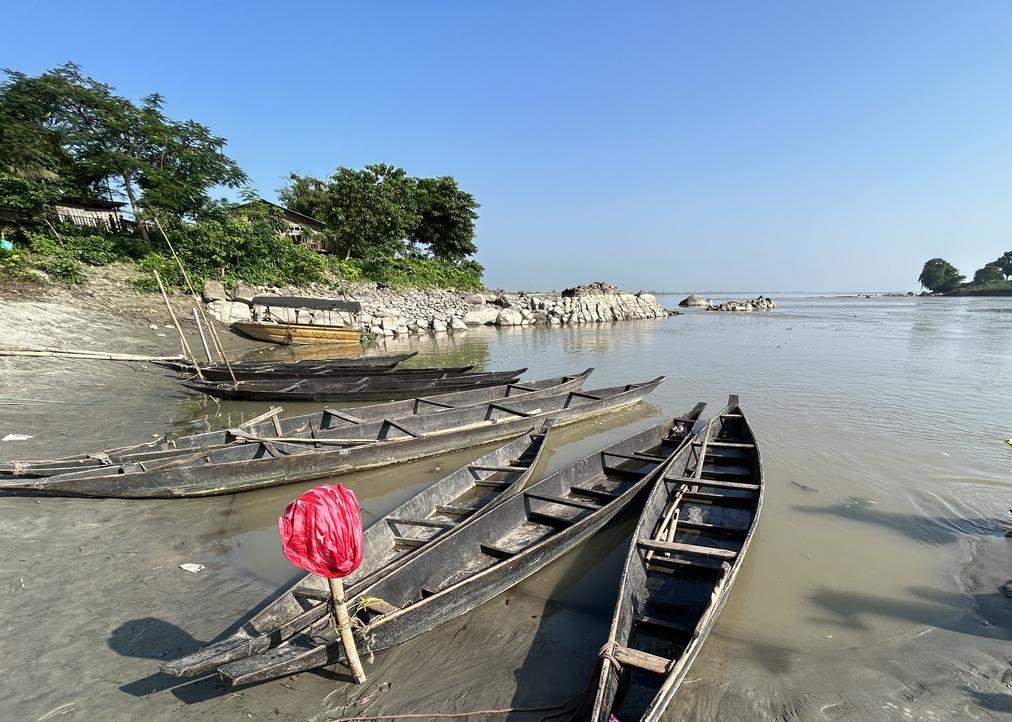
The ghat is known for its collection of temples and religious structures dedicated to different Hindu deities. Its location beside the Brahmaputra adds to its religious and cultural significance.
Historically, Biswanath Ghat was also an important river-based trading and transportation centre. River steamers and boats helped connect the settlement with other places along the Brahmaputra.
Today, visitors come to the area to explore its temples, observe religious ceremonies and enjoy the surrounding river landscape.
The place is particularly significant during religious occasions and festivals when devotees visit the temples to offer prayers.
Important Temples and Archaeological Sites in Biswanath
Biswanath has several historical religious structures that reflect the architectural and cultural traditions of Assam. Some of these monuments are protected archaeological sites under the Directorate of Archaeology, Government of Assam.
Biswanath Temple
Biswanath Temple is an important historical monument located in Biswanath Chariali.
According to the Directorate of Archaeology, Government of Assam, the temple was erected by Ahom king Gadadhar Singha, who ruled between 1680 and 1696 CE.
It is a brick-built medieval temple with a squared cruciform ground plan. Its exterior walls are decorated with terracotta plaques arranged in three lines.
The temple represents an early phase of Ahom temple architecture in Assam and is an important example of the region’s historical religious heritage.
Bordol Temple
Bordol Temple is another historical Shiva temple associated with Biswanath.
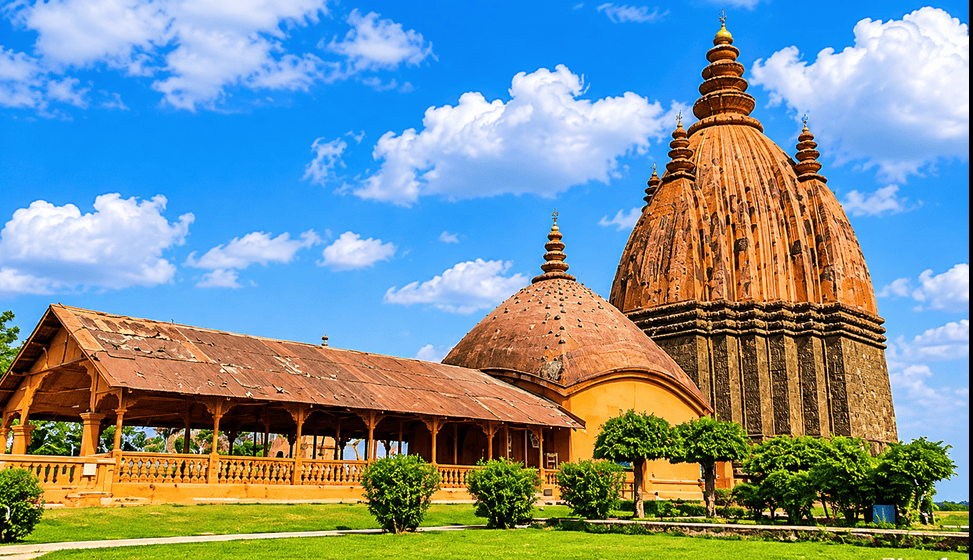
According to the Archaeological Survey of India, the brick-built temple is situated on the northern bank of the Brahmaputra River. Its architectural structure includes a sanctum and a domical shikhara surrounded by smaller architectural elements.
The temple is traditionally attributed to Ahom king Rajeswar Singha, who ruled from 1751 to 1769 CE.
It is important to distinguish Bordol Temple from the Biswanath Temple associated with Gadadhar Singha. They are separate historical structures.
Vasudev Doul
Vasudev Doul is located at Kalabari in Biswanath district. It is an important Ahom-period temple dedicated to Lord Vishnu in his Vasudeva form.
According to the Directorate of Archaeology, the temple is approximately 20 metres high and is constructed mainly of brick.
Its architectural features include a Panchratha design and a kalasa with five circular discs. A tank is also attached to the temple.
The broken mandapa of the temple was renovated in 2005. The temple remains a religious and cultural centre, particularly during Bihu celebrations.
Bamgaon Archaeological Site
Bamgaon is an important archaeological location near Biswanath Chariali.
Excavations conducted during 2002–03 revealed the remains of an early medieval brick temple dating to approximately 800–900 CE.
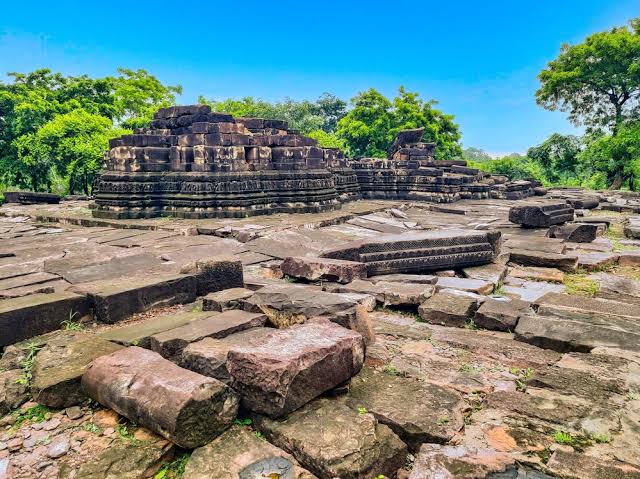
The discoveries included brick structures, sculptures and terracotta objects. Some of the recovered objects feature birds, flowers, human figures and animals.
These archaeological remains provide evidence of the architectural and artistic traditions that existed in the region during the early medieval period.
Culture and Traditions of Biswanath
Biswanath has a diverse cultural identity influenced by Assamese traditions, religious practices and the lifestyles of different communities.
Assamese is widely spoken in the region, while other languages are also used by different communities. The cultural life of Biswanath reflects the wider traditions of the Brahmaputra Valley.
Major Festivals
Festivals play an important role in the social and cultural life of Biswanath.
Bohag Bihu: Celebrated in April, Bohag Bihu marks the Assamese New Year and the beginning of the agricultural season. Traditional songs, dances and community celebrations are important parts of the festival.
Magh Bihu: Celebrated in January, this harvest festival is associated with agricultural traditions, community feasts and traditional food.
Kati Bihu: Observed in October, Kati Bihu is connected with prayers for a good harvest and the protection of agricultural fields.
Durga Puja: Celebrated with religious ceremonies, decorations and cultural programmes across the region.
Shivaratri: This festival has religious importance for devotees of Lord Shiva and is observed at different Shiva temples in the district.
Traditional Food of Biswanath
The traditional food of Biswanath reflects the wider cuisine of Assam. Rice is the main staple food and is commonly served with fish, vegetables and traditional preparations.
Some popular Assamese dishes include:
- Masor Tenga: A traditional sour fish curry prepared with ingredients such as tomatoes, lemon or other souring agents.
- Khar: A distinctive Assamese preparation made using an alkaline ingredient traditionally obtained from banana peels.
- Aloo Pitika: Mashed potatoes mixed with mustard oil, onion and green chillies.
- Pitha: Traditional rice-based cakes prepared particularly during Bihu.
- Laru: Traditional sweet balls made using coconut, sesame seeds and jaggery.
Traditional Handloom and Art
Handloom weaving is an important part of Assamese cultural heritage. Traditional garments such as Mekhela Chador and Gamosa represent the region’s textile traditions.
Bihu songs, folk music, traditional dances and community celebrations also contribute to the cultural identity of Biswanath.
Economy and Agriculture of Biswanath
Agriculture is one of the important economic activities in Biswanath. The region’s fertile soil, seasonal rainfall and river systems support different agricultural activities.
Tea Cultivation
Tea cultivation is an important part of the regional economy. Biswanath is known for its tea gardens, which contribute to agricultural production, employment and commercial activities.
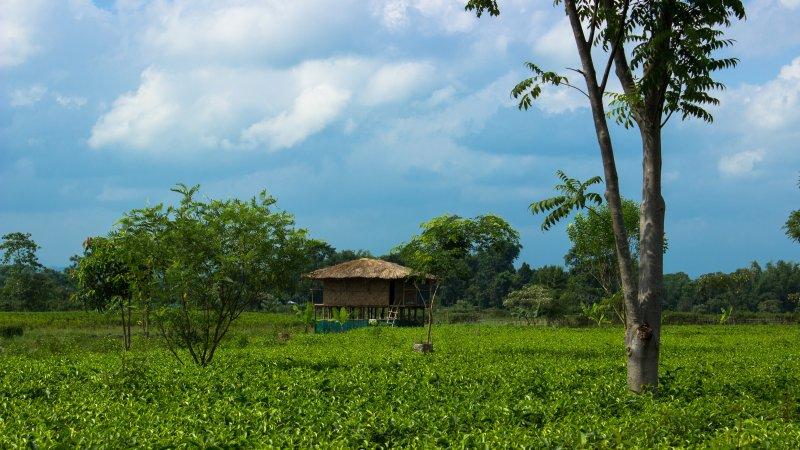
Monabari Tea Estate is one of the recognised tea estates in the region.
The tea industry supports several activities, including plantation management, tea-leaf collection, processing, packaging and transportation.
Tea production also contributes to the wider economy of Assam, which is internationally recognised for its tea industry.
Rice Cultivation
Rice is one of the major agricultural crops in Biswanath. The fertile plains and monsoon rainfall provide favourable conditions for paddy cultivation.
Farmers grow rice for household consumption and commercial purposes. Agriculture also supports related activities such as livestock rearing and local food production.
Other Agricultural Activities
Apart from tea and rice, farmers cultivate vegetables, mustard, jute and other crops in different parts of the district.
Fishing is another important activity because of the presence of rivers, wetlands and other water bodies.
Trade and Commerce
Biswanath Chariali is the main commercial centre of the district. It serves as an important marketplace for nearby villages and rural settlements.
Local markets support the buying and selling of agricultural products, household goods, food items and other commodities.
Small businesses, shops, transport services and government institutions also contribute to the local economy.
Transport and Connectivity in Biswanath
Biswanath is connected to different parts of Assam through road and railway networks. These transport facilities support local trade, tourism, education and the movement of agricultural products.
Road Connectivity: Biswanath Chariali is an important road transport centre in northern Assam. National Highway 15 and other regional roads connect the area with Tezpur, Gohpur, Lakhimpur and other parts of the state.
Rail Connectivity: Biswanath Chariali has railway connectivity with other important destinations in Assam. The railway network is useful for passenger transportation and regional movement.
Air Connectivity: Tezpur Airport and Lilabari Airport are possible airport options for travellers, depending on available flight services. Lokpriya Gopinath Bordoloi International Airport in Guwahati is another option for people travelling from outside Assam.
Importance of Biswanath in Assam
Biswanath is important to Assam because of its historical, religious, geographical, agricultural and cultural significance.
Historical Importance: The district contains medieval temples and archaeological remains that provide information about the architectural traditions of ancient and medieval Assam.
Religious Importance: Biswanath Ghat is a recognised religious centre, popularly known as the Gupta Kashi of Assam. Its temples attract devotees interested in Hindu religious traditions.
Agricultural Importance: Tea cultivation, rice production and other agricultural activities support the district’s economy and rural communities.
Environmental Importance: The Brahmaputra floodplain, rivers, wetlands and surrounding natural ecosystems contribute to the environmental importance of the region.
Commercial Importance: Biswanath Chariali serves as an important administrative and commercial centre for nearby settlements.
Cultural Importance: Bihu celebrations, traditional food, Assamese handloom, folk music and religious festivals reflect the cultural diversity of the region.
Best Time to Visit Biswanath
The best time to visit Biswanath is generally between October and April. During these months, the weather is comparatively comfortable for sightseeing, temple visits and exploring the surrounding areas.
| Season | Months | Travel Experience |
|---|---|---|
| Winter | December–February | Comfortable weather for sightseeing |
| Spring | March–April | Pleasant conditions and Bihu celebrations |
| Post-monsoon | October–November | Suitable for exploring historical places |
| Monsoon | June–September | Heavy rainfall and possible flooding |
Visitors planning a trip during the monsoon should check local weather conditions and road accessibility before travelling.
Frequently Asked Questions About Biswanath
Where is Biswanath located?
Biswanath is located in northern Assam, on the north bank of the Brahmaputra River. It is an important historical and administrative region of the state.
What is Biswanath famous for?
Biswanath is famous for its ancient temples, Biswanath Ghat, archaeological remains, tea gardens and cultural traditions.
Why is Biswanath Ghat called Gupta Kashi?
Biswanath Ghat is popularly known as Gupta Kashi because of its religious significance and association with the worship of Lord Shiva.
When was Biswanath established as a separate district?
Biswanath became a separate district in 2016. Its administrative district status was restored through a Government of Assam notification dated 7 September 2023.
What is the headquarters of Biswanath district?
Biswanath Chariali is the district headquarters.
Who built the historic Biswanath Temple?
According to the Directorate of Archaeology, Government of Assam, the historic Biswanath Temple was erected by Ahom king Gadadhar Singha, who ruled from 1680 to 1696 CE.
Which Ahom king is associated with Bordol Temple?
Bordol Temple is traditionally attributed to Ahom king Rajeswar Singha, who ruled from 1751 to 1769 CE, according to the Archaeological Survey of India.
What is the importance of Bamgaon?
Bamgaon is an important archaeological site where excavations in 2002–03 revealed the remains of an early medieval brick temple dating to approximately 800–900 CE.
Which river forms the southern boundary of Biswanath?
The Brahmaputra River forms the southern boundary of Biswanath district.
Which national park is located near Biswanath?
Nameri National Park, situated in neighbouring Sonitpur district, is one of the important wildlife destinations near Biswanath.