
Nalbari: A Complete Guide to History, Culture and Tourism

Nalbari is a historic town in Assam known for its rich cultural heritage, ancient temples, traditional festivals and educational institutions. Located in Lower Assam, Nalbari is the administrative headquarters of Nalbari district. The town is famous for the Nalbari Ras Mahotsav, Hari Mandir, Billeshwar Temple and its long tradition of Sanskrit education. Its history is connected with ancient Kamarupa, the Ahom kingdom and the development of modern Assam.
From exploring historical temples to enjoying traditional festivals, Nalbari offers visitors a wonderful opportunity to understand the culture and heritage of Assam.

Historical Background of Nalbari
Ancient History of Nalbari
The history of Nalbari is closely connected with the ancient Kingdom of Kamarupa, one of the important kingdoms of early Assam. The region was part of the historical cultural landscape of western Assam and was influenced by different ruling dynasties.
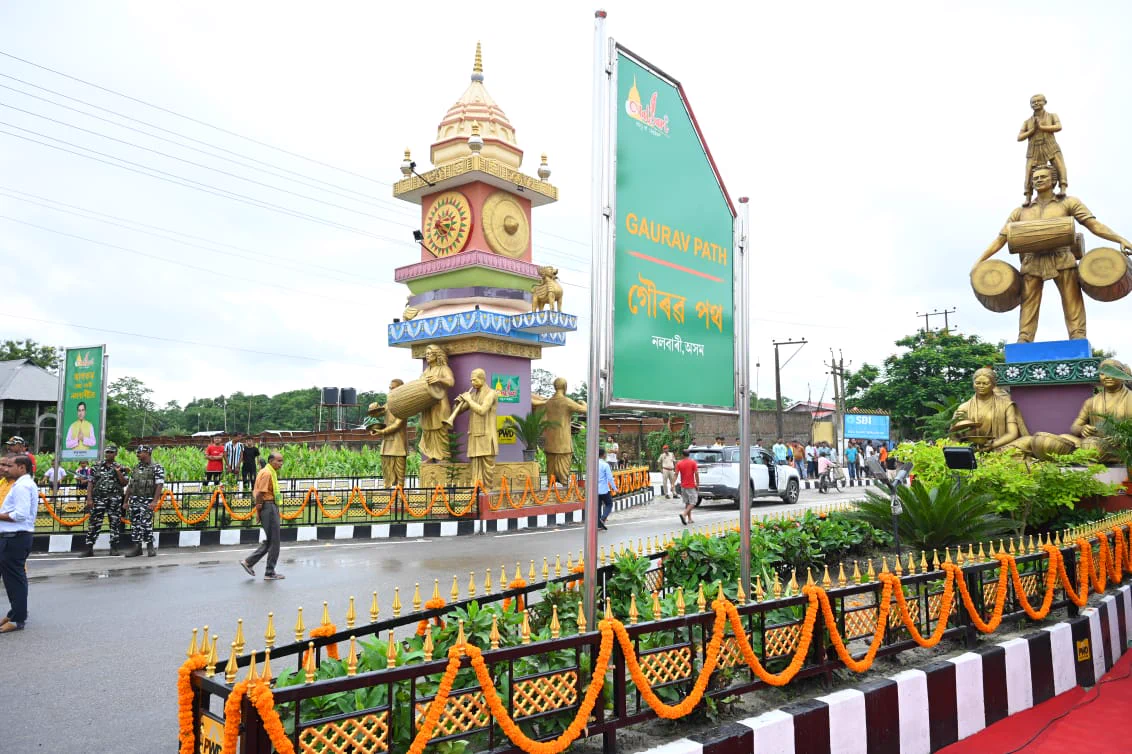
According to the Nalbari district administration, the region was associated with ancient geographical and cultural divisions such as Kampitha, Pragjyotisha and Kamarupa. It was influenced by several dynasties, including the Varmanas, Salastambhas, Palas, Bhuyans and Koch rulers. Later, the Tai-Ahom kingdom and the Mughals also influenced the region.
Archaeological discoveries in Nalbari provide evidence of its historical importance. Copper-plate inscriptions and ancient temple remains help researchers understand the religious practices, land grants and administration of early Assam.
Nalbari During British Rule
The northern part of present-day Nalbari was historically connected with the Kingdom of Bhutan. Following the Duar War of 1864–1865, the British gained control over the Bhutanese Duars under the Treaty of Sinchula in 1865.
The development of Nalbari town became more noticeable during British rule. Railway connectivity encouraged trade and brought businesspeople from different regions. Markets and commercial activities gradually developed around the railway station.
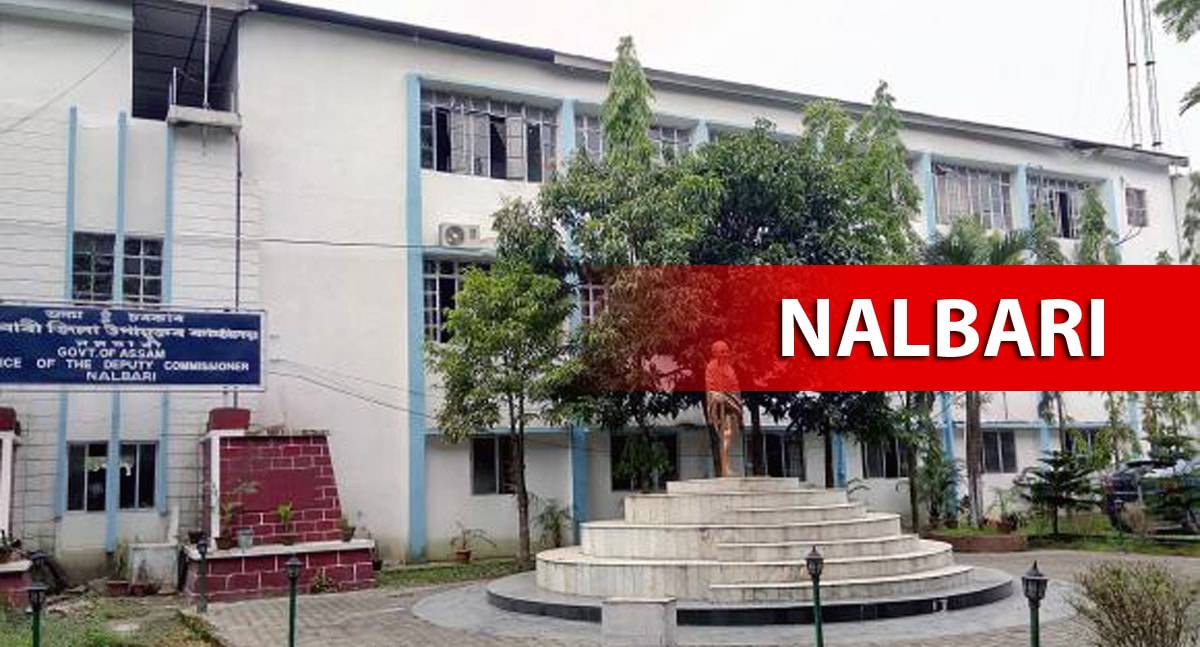
Nalbari became a town in 1941, according to the historical information supplied for this article. It was upgraded to a subdivision in 1968 and became the headquarters of Nalbari district in 1984.
These administrative changes contributed to the growth of Nalbari as an important educational, commercial and administrative centre in Lower Assam.
Meaning and Origin of the Name Nalbari
The name Nalbari is generally explained through two Assamese words: nal and bari. The word nal refers to a type of reed, while bari means an enclosed piece of land or plantation.
The name is therefore commonly understood as a place of reeds. The Nalbari district administration states that the name was introduced by British railway engineers around 1890–1891. Earlier names associated with the locality included Satra, Govindapur and Khata.
This origin reflects the natural environment of the region before the development of the modern town.
Culture and Traditions of Nalbari
Nalbari has a rich Assamese cultural identity. Its traditions are reflected in religious festivals, local languages, music, dance and community celebrations.
The native speech of Nalbari is the Nalbariya dialect, which belongs to the Kamrupi group of Assamese. It remains an important part of everyday communication and local cultural expression.
Nalbari is also popularly known as the Nabadeep of Assam because of its long tradition of Sanskrit education. Traditional Sanskrit institutions and manuscript preservation activities have helped maintain the district’s reputation as a centre of learning.
Nalbari Ras Mahotsav
The Nalbari Ras Mahotsav is one of the most famous festivals of Assam. It celebrates the life and divine activities of Lord Krishna through religious rituals, cultural performances and artistic displays.
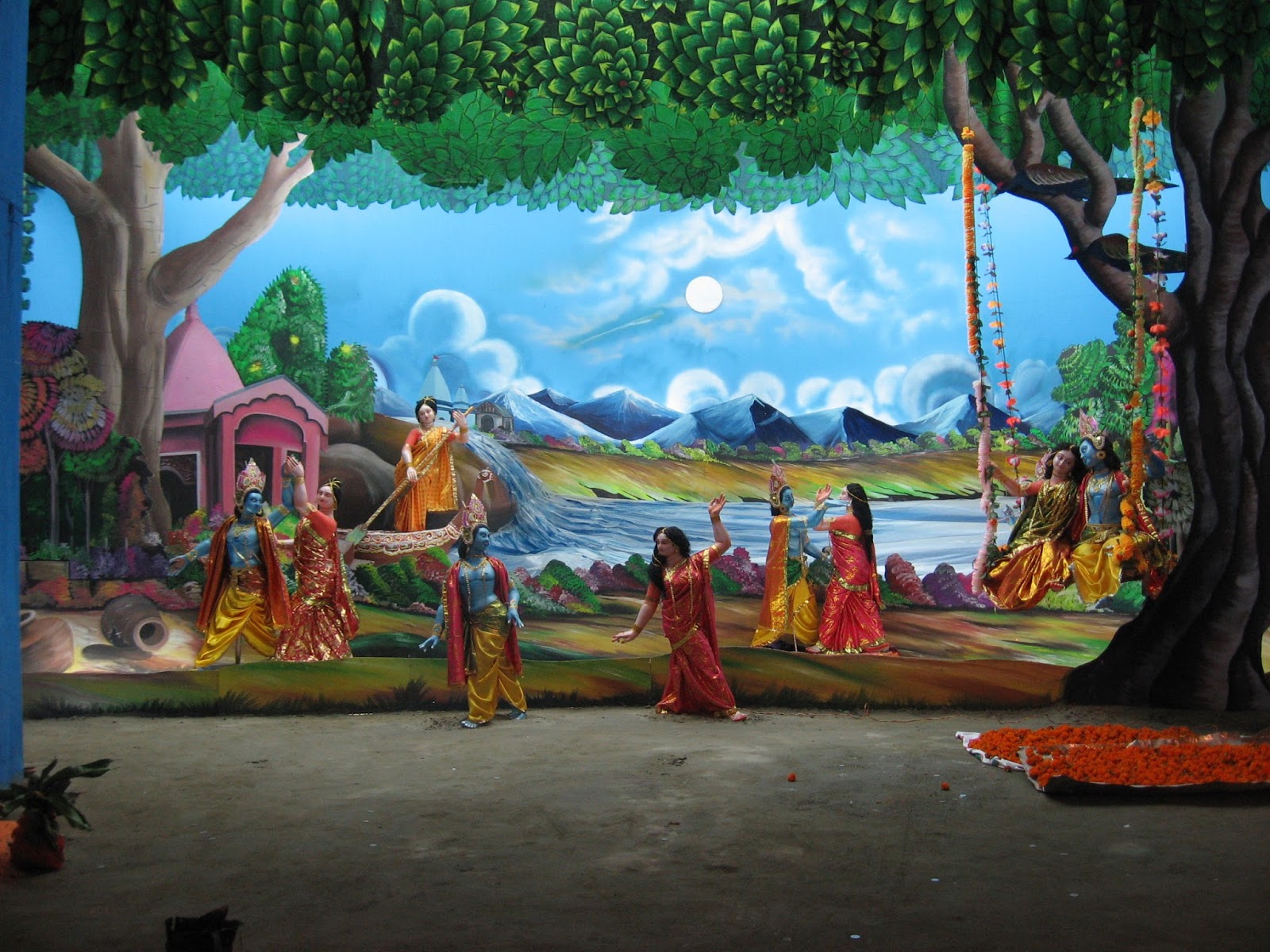
The festival is held at Hari Mandir in Nalbari town, generally during November. It attracts thousands of devotees, tourists and cultural enthusiasts.
The public celebration began in 1933, while the festival was moved to the permanent Hari Mandir grounds in 1946. Over the years, it developed from a small religious gathering into a major cultural event.
The Ras Mahotsav is known for its beautifully decorated surroundings, religious displays, fairs and cultural programmes. It represents the strong connection between religion and community life in Nalbari.
Bihu and Other Festivals
Like other parts of Assam, Nalbari celebrates Rongali Bihu, Kongali Bihu and Bhogali Bihu.
Rongali Bihu marks the Assamese New Year and the beginning of the agricultural season. Kongali Bihu is associated with prayers for a good harvest, while Bhogali Bihu celebrates the harvest season through community feasts and traditional gatherings.
Durga Puja, Kali Puja, Janmashtami and other festivals are also celebrated in the district.
Famous Tourist Attractions in Nalbari
Hari Mandir
Hari Mandir is one of the most important landmarks of Nalbari town. Dedicated to Lord Krishna, the temple is closely associated with the famous Ras Mahotsav.
The temple was built in 1965 on land donated by Rambahadur Pratap Narayan Choudhury. Its annual Ras festival has been celebrated at the present location since 1946. It is one of the most popular religious and cultural attractions in the district.
Billeshwar Temple
Billeshwar Temple is located at Belsor, around 10 kilometres southwest of Nalbari town. The temple is dedicated to Lord Shiva and is believed to be around 500 years old.
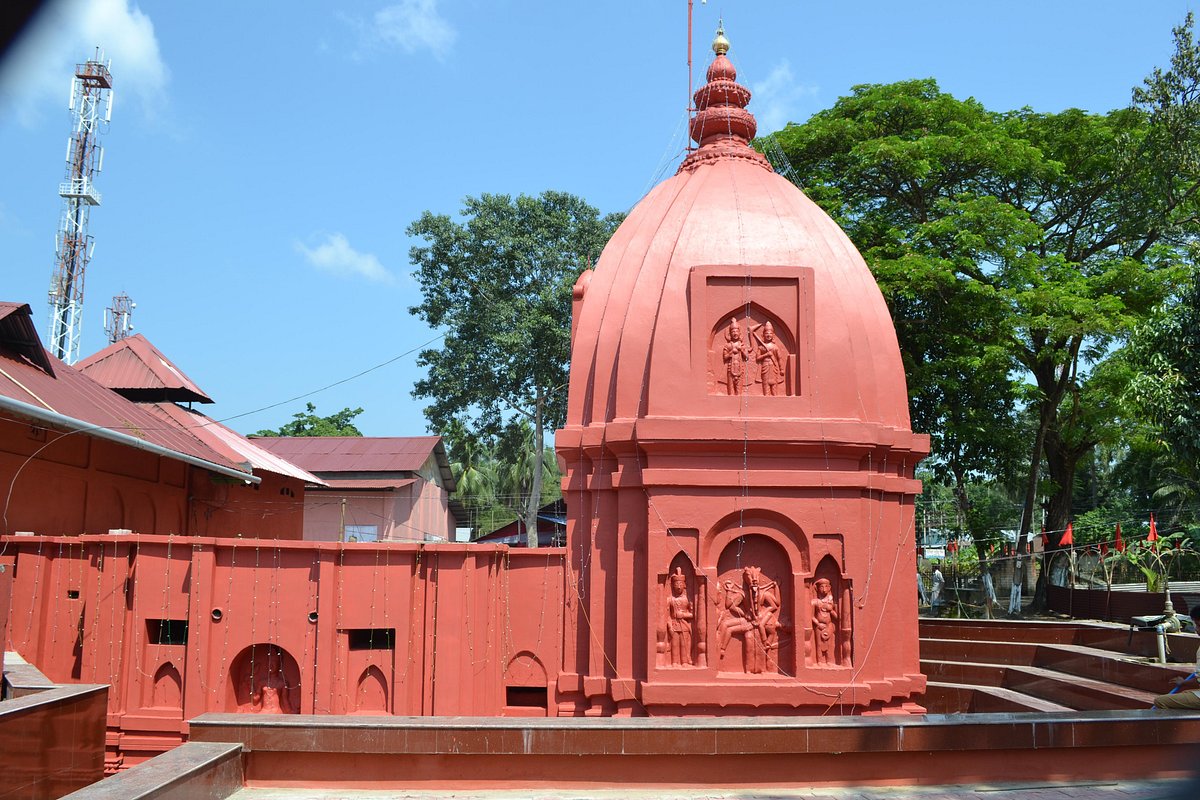
According to local legend, a Shiva Lingam was discovered at a place where a cow released its milk. A temple was subsequently built at the site.
The temple received royal patronage, including support from Ahom king Lakshmi Singha. The Assam Directorate of Archaeology records that the temple was built over the foundations of an earlier stone temple and contains an inscription associated with a land grant by Ahom king Siva Singha.
Ballilecha Kali Devalaya
Ballilecha Kali Devalaya is a historic religious site dedicated to Goddess Kali. The Assam Directorate of Archaeology records the remains of two brick-built temples at the site. One of them contains an image of Goddess Kali and dates to the Ahom period.
The temple is an important destination for devotees and people interested in the religious history of Assam.
Planetarium and Science Centre
The Planetarium and Science Centre at Sariahtali is an educational attraction for students, families and science enthusiasts.
The planetarium organises astronomy shows, while the science centre introduces visitors to scientific principles through exhibits and demonstrations.
Gangadhar Pond
Gangadhar Pond at Barkuriha is a peaceful destination associated with local history and nature. The pond attracts migratory birds during suitable seasons and offers visitors an opportunity to enjoy the natural surroundings of rural Nalbari.
Economy and Educational Development
Agriculture is an important economic activity in Nalbari district. Rice, vegetables and other agricultural products support many rural households. Local markets connect farmers with traders and consumers.
Nalbari also has a strong educational tradition. Nalbari Government Gurdon Higher Secondary School traces its origins to 1887, while Nalbari College was established in 1945.
Other important institutions include Nalbari Sanskrit College, Nalbari Commerce College and Nalbari Law College. Kumar Bhaskar Varma Sanskrit and Ancient Studies University further supports the study of Sanskrit and ancient history.
Geography and Best Time to Visit
Nalbari lies in the Brahmaputra Valley of Assam. The district has a subtropical climate with warm summers, cool winters and heavy monsoon rainfall.
October to March is generally the best time to visit Nalbari. November is particularly attractive for travellers interested in experiencing the Ras Mahotsav.
Visitors should be aware that heavy rainfall during the monsoon season can cause flooding in some parts of the district.
How to Reach Nalbari
Nalbari is connected to other parts of Assam through road and rail networks.
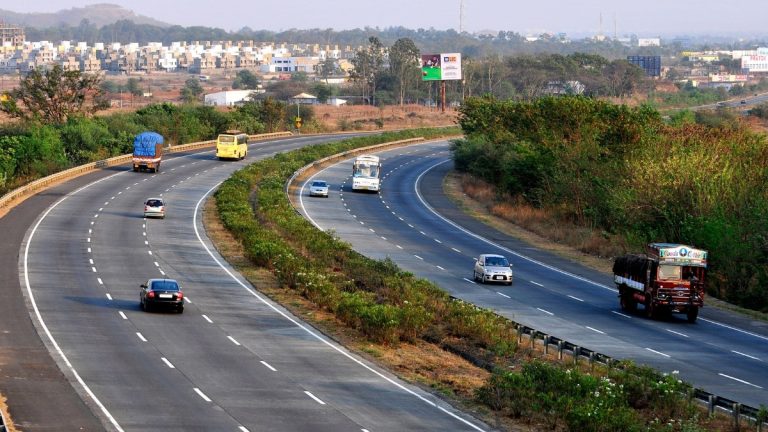
By road: National Highway 27 and National Highway 427 provide road connectivity to Nalbari.
By train: Nalbari railway station is located within the town and connects it with other railway destinations.
By air: Lokpriya Gopinath Bordoloi International Airport in Guwahati is the nearest major airport. Nalbari is approximately 60–70 kilometres from the airport, depending on the route.
Conclusion
Nalbari is a fascinating destination that combines history, culture, spirituality and education. Its connection with ancient Kamarupa, historic temples and the famous Ras Mahotsav makes it an important part of Assam’s cultural heritage.
From the religious atmosphere of Hari Mandir to the historical importance of Billeshwar Temple, Nalbari offers visitors a meaningful experience of Assamese traditions. The district continues to preserve its cultural identity while developing as an important centre of education, administration and commerce in Lower Assam.
Frequently Asked Questions
Where is Nalbari located?
Nalbari is a town in the Indian state of Assam. It is the headquarters of Nalbari district and lies in the Brahmaputra Valley.
Why is Nalbari famous?
Nalbari is famous for the Ras Mahotsav, Hari Mandir, ancient temples, Sanskrit education and its rich Assamese cultural heritage.
What is the famous festival of Nalbari?
The Nalbari Ras Mahotsav is the most famous festival of the town. It celebrates the life and divine activities of Lord Krishna and is generally held in November.
Why is Nalbari called Nabadeep of Assam?
Nalbari is popularly called Nabadeep of Assam because of its long tradition of Sanskrit education and the presence of traditional Sanskrit learning institutions.
Which are the major tourist attractions in Nalbari?
The major attractions include Hari Mandir, Billeshwar Temple, Ballilecha Kali Devalaya, Gangadhar Pond, the Planetarium and Science Centre, and Kumar Bhaskar Varma Sanskrit and Ancient Studies University.