

India Brazil Partnership Expands

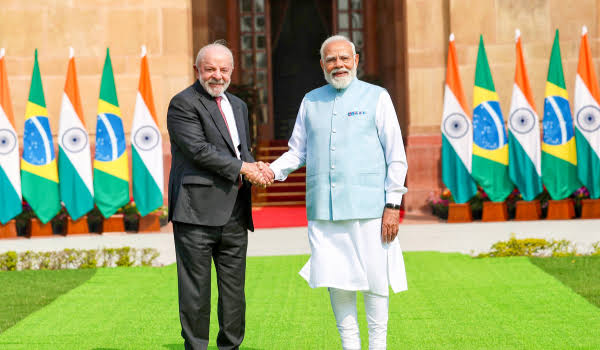
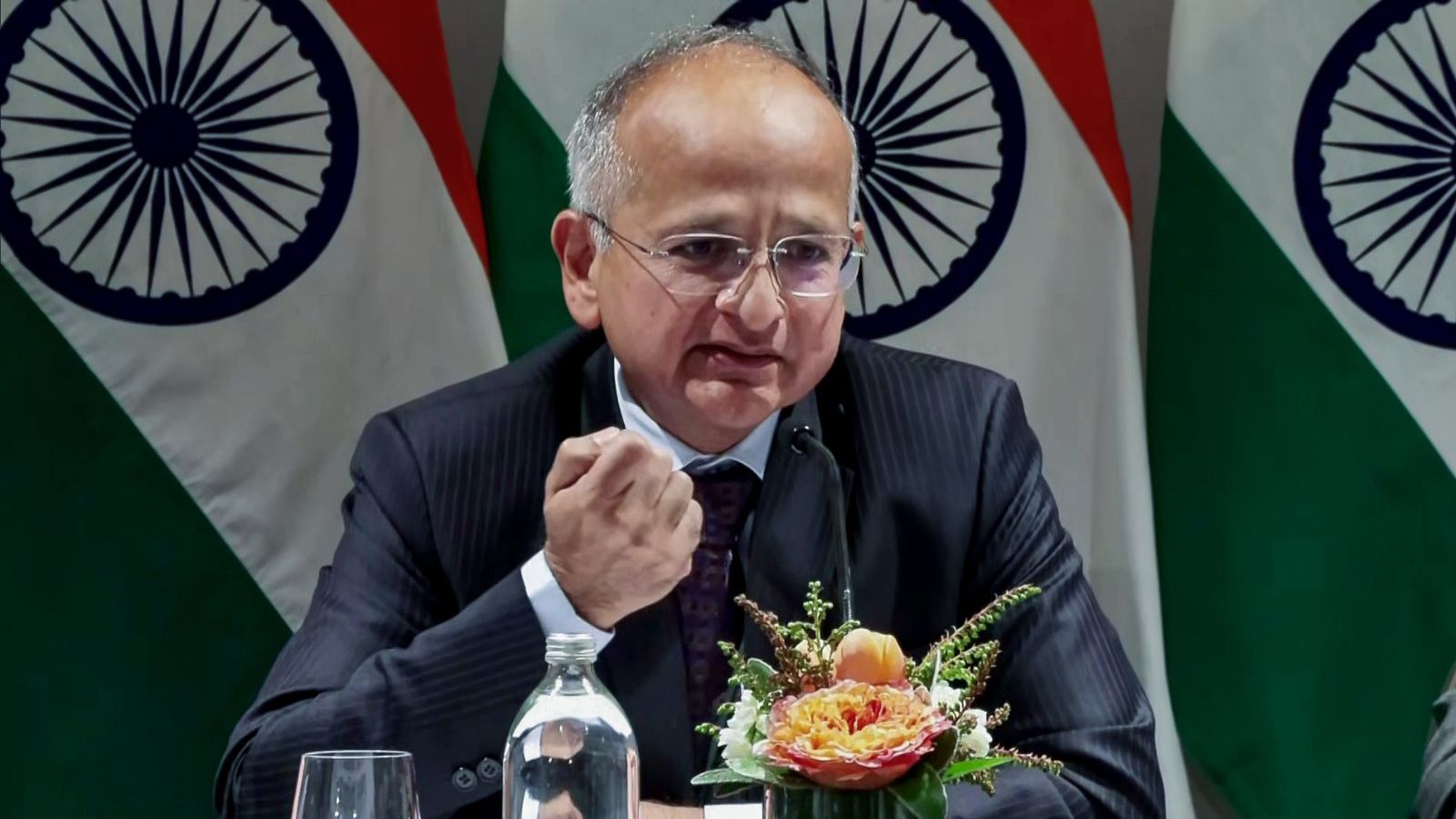
India Brazil Partnership is expanding across defence, aerospace, space, trade and advanced technology. On 31 October 2026, Ministry of External Affairs Secretary (East) Rudrendra Tandon said both countries were strengthening cooperation in these areas. Brazilian Ambassador Kenneth Felix Haczynski da Nóbrega also said bilateral trade was expected to reach USD 20 billion in the near future.
The two countries are exploring new opportunities in critical minerals, energy, pharmaceuticals and artificial intelligence. Their growing partnership reflects a shared interest in developing technology, expanding trade and building stronger links between industries.

Defence Cooperation and Military Technology
Defence is an important part of the India-Brazil relationship. The countries have been working to increase military exchanges, share technical knowledge and explore opportunities for joint development.
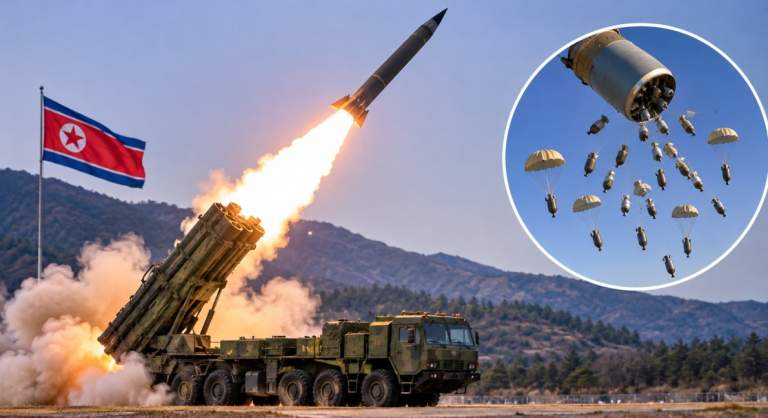
In October 2026, a Brazilian military delegation visited India for two weeks to examine the BrahMos cruise missile and Akash air-defence system. Brazil is interested in BrahMos for anti-ship and precision-strike roles. It is also evaluating Akash as part of its air-defence modernisation plans.
The countries have an established framework for defence cooperation. A Defence Cooperation Agreement signed in 2003 and ratified in 2006 created the Joint Defence Committee. Its eighth meeting was held in Brasília in July 2025.
The 2+2 Political-Military Dialogue and Defence Industrial Cooperation Focus Group began in March 2024. These platforms support discussions on security matters, defence industries and possible areas of cooperation.
Shipbuilding and Naval Cooperation
India and Brazil are also developing links in naval technology. A memorandum of understanding signed in December 2025 between the Brazilian Navy, Indian Navy and Mazagaon Dock ShipBuilders Limited provides for the exchange of technical information and support for Scorpène-class submarines and other military ships.
Such cooperation can help both sides share experience in shipbuilding, maintenance and naval operations. It may also create opportunities for their defence industries to work together on future projects.
During the 2023 G20 Summit, leaders encouraged more military exercises, delegation exchanges and participation in each other’s defence exhibitions. They also supported joint development and co-production in the defence sector.
Aerospace and Aircraft Manufacturing
Aerospace cooperation is another growing area. On 27 January 2026, Adani Defence & Aerospace and Brazil’s Embraer signed a memorandum of understanding to explore an integrated regional-aircraft ecosystem in India.
The proposed cooperation includes aircraft manufacturing, supply chains, aftermarket services and pilot training. These areas could help develop local skills and strengthen the wider aviation industry.
In October 2026, Brazilian Minister Marcio Elias Rosa also raised the possibility of Embraer investing in India. Further investment could support aircraft production and create links between Indian and Brazilian suppliers.
Joint Work on Space Launch Technology
India and Brazil are exploring cooperation in space technology as well. On 7 October 2026, Brazil’s Concert Technologies, part of its Micro-Launcher programme, and India’s Skyroot Aerospace signed an agreement at the International Astronautical Congress in Antalya.
The proposed work aims to develop a launch vehicle capable of carrying at least 100 kilograms of payload into low Earth orbit. The project could create opportunities for both countries to share expertise in launch systems and space engineering.
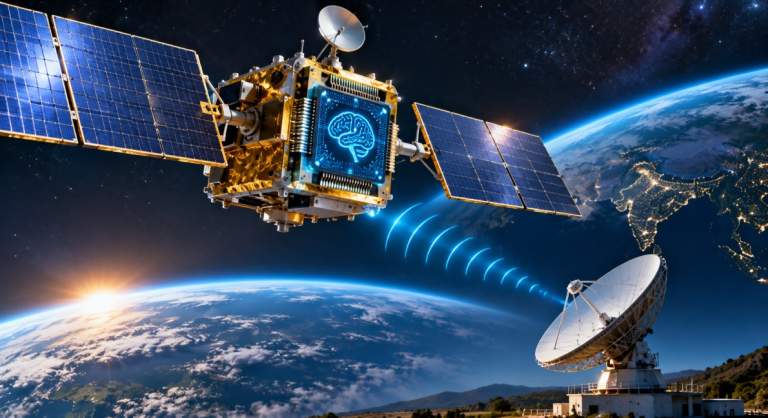
India has already supported Brazil’s space programme through satellite launch services. In 2021, India launched Amazonia-1, Brazil’s first Earth-observation satellite to be completely designed, integrated, tested and operated by Brazil.
Amazonia-1 carries an Advanced Wide Field Imager, which captures images of Earth’s surface. Such satellite data can support activities such as monitoring forests, studying land use and observing environmental changes.
Trade, Critical Minerals and Emerging Technology
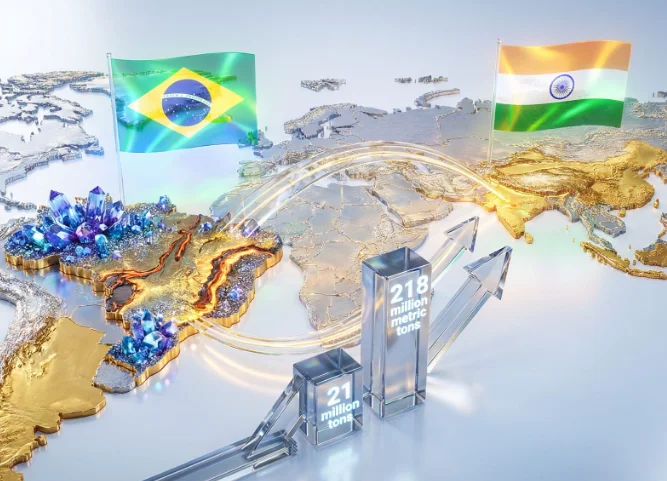
The expected growth in bilateral trade is another important part of the partnership. India and Brazil are looking to expand business links in critical minerals, energy, pharmaceuticals and artificial intelligence.
Critical minerals are important for modern industries, including electronics, batteries and clean-energy technologies. Cooperation in this area could help both countries strengthen supply chains and support industrial growth.
Pharmaceuticals and artificial intelligence also offer opportunities for research, investment and technology exchange. As businesses in both countries seek new markets, stronger trade links may help create partnerships across different industries.
The India-Brazil relationship is supported by a wider trade framework. The two countries are also connected through the India-Mercosur preferential trade agreement, which provides tariff preferences on selected goods.
With defence, aircraft manufacturing, satellite technology and trade all developing at the same time, India and Brazil are working to build a broader partnership with long-term economic and technological goals.