


Chola Bronze Idols Found in Nagapattinam

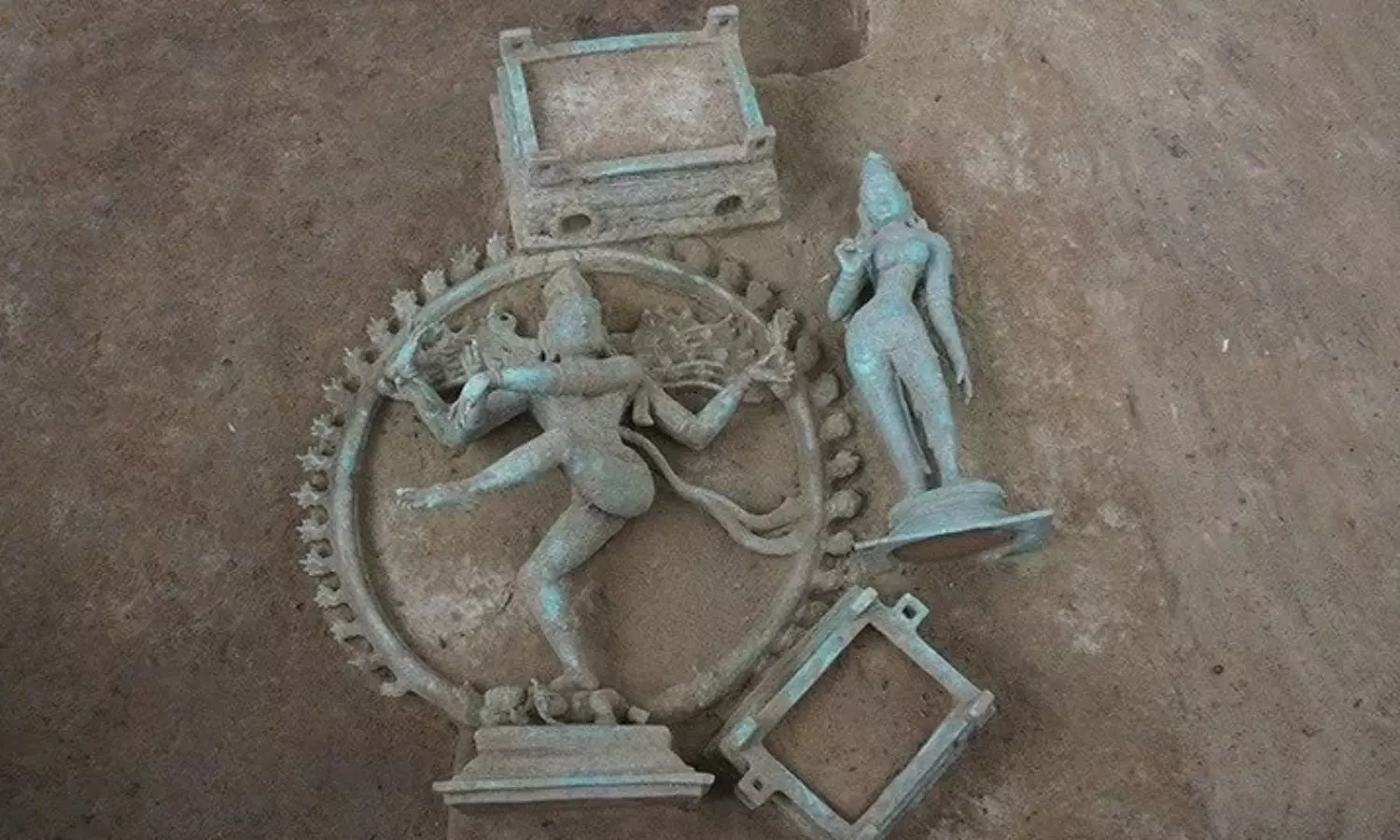
Chola Bronze Idols of Nataraja and Sivakami have been discovered during an archaeological excavation in Nagapattinam, Tamil Nadu. The Tamil Nadu State Department of Archaeology unearthed the bronze-alloy figures along with their pedestals on 30 October 2026. The idols were found about one metre below the ground and are believed to date to the 12th century AD, during the Chola period.
The discovery offers new information about religious practices, metal sculpture and the cultural history of Nagapattinam. The town was an important centre during the Chola era, with links to maritime trade, manufacturing and religious activity.

Details of the Nataraja Idol
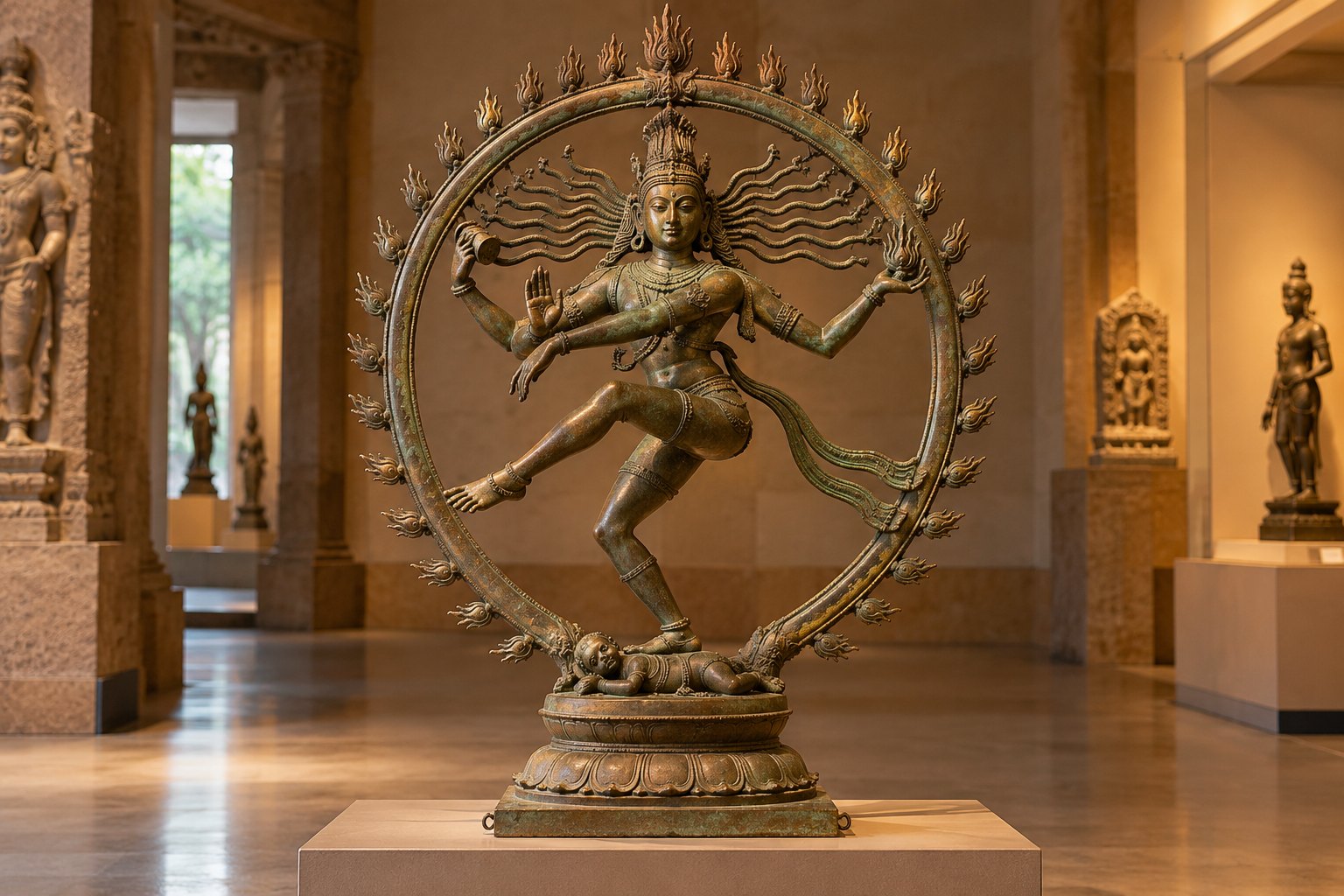
The Nataraja idol measures 110 centimetres in height and 100 centimetres in width. It shows Shiva in the Ananda Tandava, or dance of bliss, posture. The figure has four arms and represents one of the most recognised forms of Shiva in South Indian art.
Nataraja is often shown dancing within a ring of flames. The image is associated with the movement of the universe and the cycles of creation, preservation and destruction. The posture, gestures and surrounding symbols are important parts of the sculpture’s meaning.
The newly discovered idol’s size and design make it a significant find for researchers studying Chola-period bronze sculpture. Its iconography and ornamental details will help specialists compare it with other works from the same period.
Sivakami Idol and Its Features
The Sivakami idol was found alongside Nataraja. It is 82 centimetres high and 23 centimetres wide. The figure shows the goddess with two arms in the Tribhanga posture.
Tribhanga is a graceful body position in which the figure bends at three points: the neck, waist and knees. It is commonly used in Indian sculpture to create a sense of movement and balance.
The discovery of the two idols together is important because Nataraja and Sivakami are associated with Shiva and his divine consort. Their presence may provide clues about the religious setting in which they were used.
How Were the Idols Dated?
Officials said the idols’ physical structure, iconography and ornamental designs indicate that they belong to the 12th century AD. This places them within the Chola period, when bronze sculpture developed into a highly refined art form in South India.
The Chola dynasty is known for its temples, bronze images and artistic achievements. Bronze figures were used in religious worship and processions, and many were created with detailed attention to posture, facial features and ornamentation.
The discovery was announced by Rajmohan A, Minister for School Education and Archaeology. Officials said it was the first time the state archaeology department had unearthed bronze idols during its excavations.
Nagapattinam’s Historical Importance
Nagapattinam was an important port and manufacturing centre during the Chola period. It was also home to religious shrines and connected with trade across the Bay of Bengal.
The town’s location helped it become part of wider maritime networks. Its religious and commercial importance made it a place where different forms of art, worship and cultural exchange developed.
The newly found idols add to the understanding of Nagapattinam’s past. They may help researchers learn more about the temples, artistic workshops and religious communities that existed in the area during the Chola era.
Why Might the Idols Have Been Buried?
The reason the idols were buried has not yet been confirmed. Officials have suggested that they may have been hidden for safekeeping during invasions or periods of danger.
In the past, valuable religious objects were sometimes buried or concealed when communities faced threats. However, the exact circumstances behind this discovery will require further archaeological study.
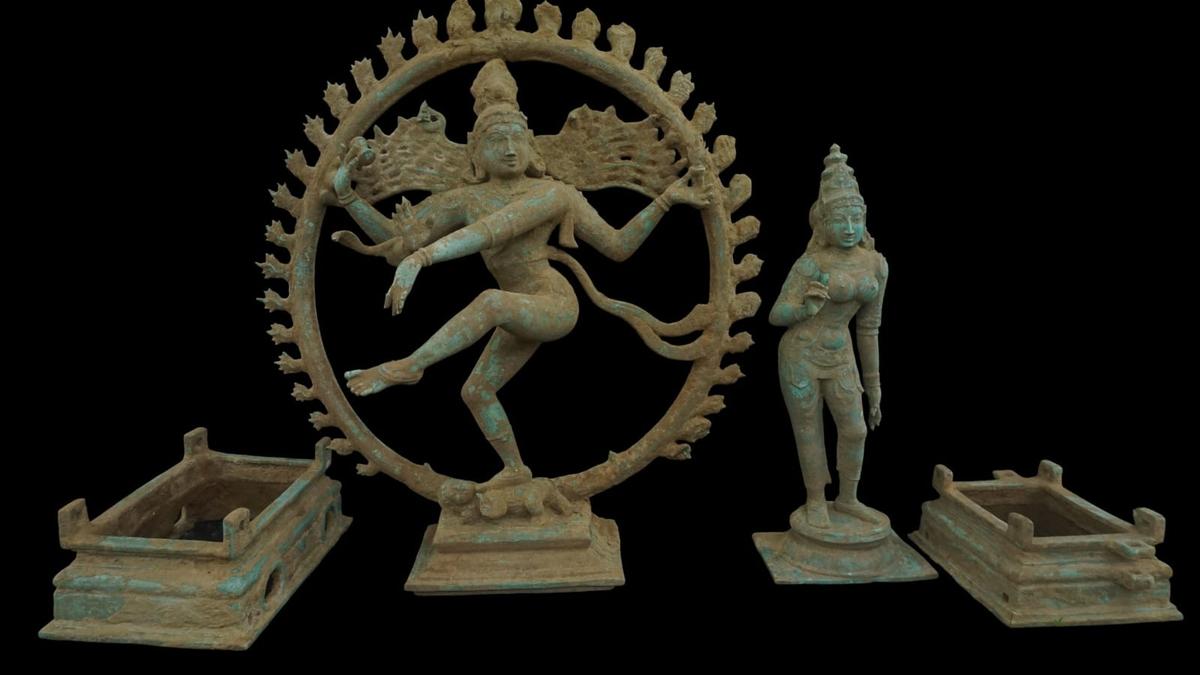
The idols have been taken to Chennai for chemical treatment. This process is intended to help preserve the metal and protect the figures from further damage. Metallurgical analysis is also planned to establish their material composition.
Chola Bronze Art and the Lost-Wax Method
Chola-period bronze sculpture is widely known for its fine detail and balanced forms. Many sculptures were made using the cire-perdue, or lost-wax, casting method.
In this process, an artist first creates a model from wax. The model is covered with a clay mould, and the wax is melted away. Molten metal is then poured into the space left behind. Once the metal cools, the mould is removed and the sculpture is finished.
This method allows artists to create detailed figures with complex shapes. The Nataraja and Sivakami idols will now undergo further study to help researchers understand their age, composition and place in the history of Chola art.