


North Korea Cluster Warhead Test

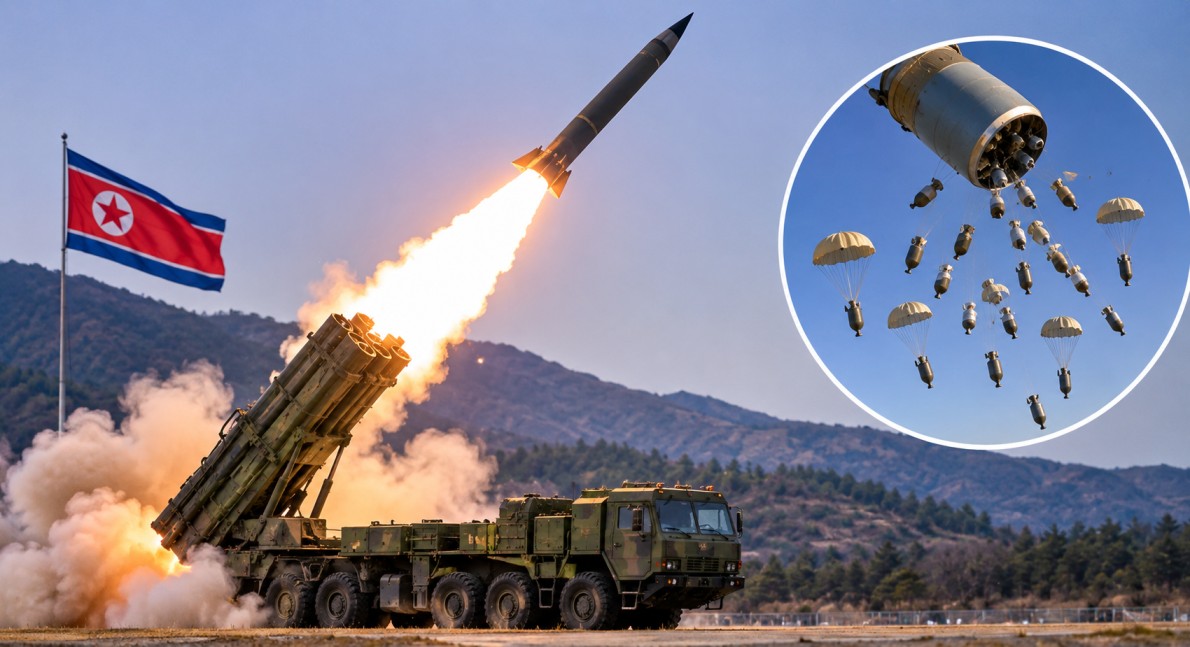
North Korea Cluster Warhead testing has drawn attention after North Korea reported that it tested a cluster-bomb warhead designed for tactical ballistic missiles on 31 October 2026. The country’s state news agency, KCNA, reported the test on 1 November. Kim Jong Sik, a senior official of the ruling Workers’ Party’s Central Military Commission, reportedly oversaw the test. North Korean leader Kim Jong Un was not reported to have attended.
The test is part of North Korea’s efforts to develop and expand its missile and warhead capabilities. The announcement has also renewed attention on the risks linked to cluster munitions, which can spread explosive submunitions across a wide area.

Test Details and Reported Target Area
North Korea’s Missile Administration said that the test involved a warhead known as the Standard Type 2. According to the agency, the warhead could destroy a target area covering around 12 to 13 hectares. This is equal to approximately 30 to 32 acres.
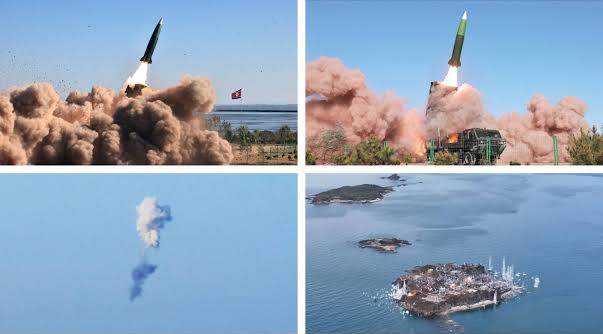
The missile was reportedly launched from an area near Jeongju in North Pyongan Province. Its target was an uninhabited island in the West Sea, also known as the Yellow Sea.
KCNA said that the test was carried out to assess the performance of the warhead. The Missile Administration’s Ballistic Missile System Institute and Warhead Institute were reportedly involved in the activity.
Hwasong-11D Missile and Mobile Launcher
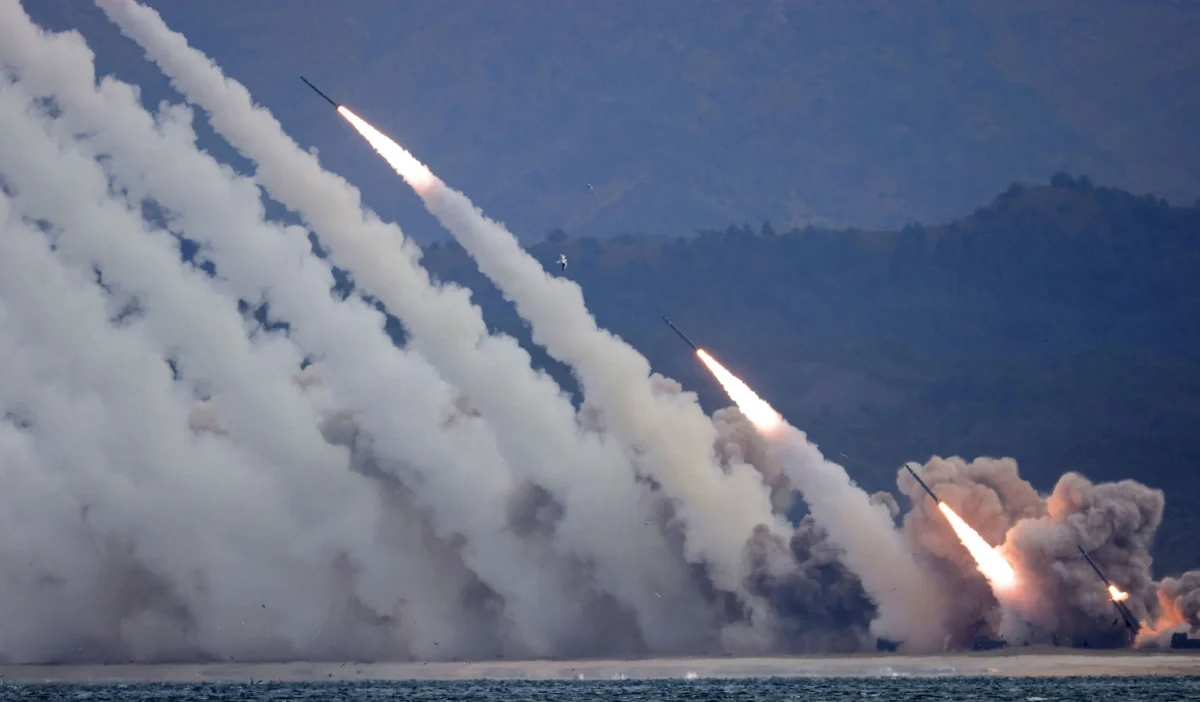
Images released after the test appeared to show Hwasong-11D short-range ballistic missiles. Some analysts suggested that the launch may have been the first time North Korea tested a cluster-armed missile from a wheeled mobile launcher.
A mobile launcher can move a missile from one location to another before launch. This can make it harder for other countries to identify the exact launch location in advance. However, the available information does not independently confirm all details of the launcher or missile used in the test.
North Korea’s Warhead Deployment Plan
North Korea said that military units would be able to choose from four categories of cluster warheads by the end of 2026. These categories are reportedly divided into special-purpose and standard-purpose types.
The plan suggests that North Korea is working to expand the range of warheads available to its military. The announcement did not provide full technical details about all four categories or explain how they would be assigned to different units.
South Korea and US Response
South Korea’s Joint Chiefs of Staff did not announce the launch on the day it reportedly took place. It later said that it had tracked related activity and was maintaining readiness in coordination with the United States.
South Korea and the United States regularly monitor North Korean missile activity. The two countries also conduct joint military exercises and share information as part of their security cooperation.
The latest test adds to ongoing tensions on the Korean Peninsula, where North Korea’s missile and weapons programmes remain a major concern for regional security.
What Are Cluster Munitions?
Cluster munitions are weapons that release many smaller explosive submunitions over a wide area. They may be launched from the ground or dropped from aircraft. The submunitions can spread across a large area and may affect people and infrastructure beyond a single target.
One major concern is that some submunitions may fail to explode when they land. These unexploded devices can remain dangerous for years and may harm civilians who later come into contact with them. Finding and removing them can be difficult, costly and time-consuming.
North Korea and South Korea are not parties to the Convention on Cluster Munitions, an international agreement that prohibits the use, production, transfer and stockpiling of cluster munitions for its participating states.
The reported test highlights the continuing development of North Korea’s tactical missile systems and the wider concerns surrounding weapons that can spread explosive devices across populated or open areas.