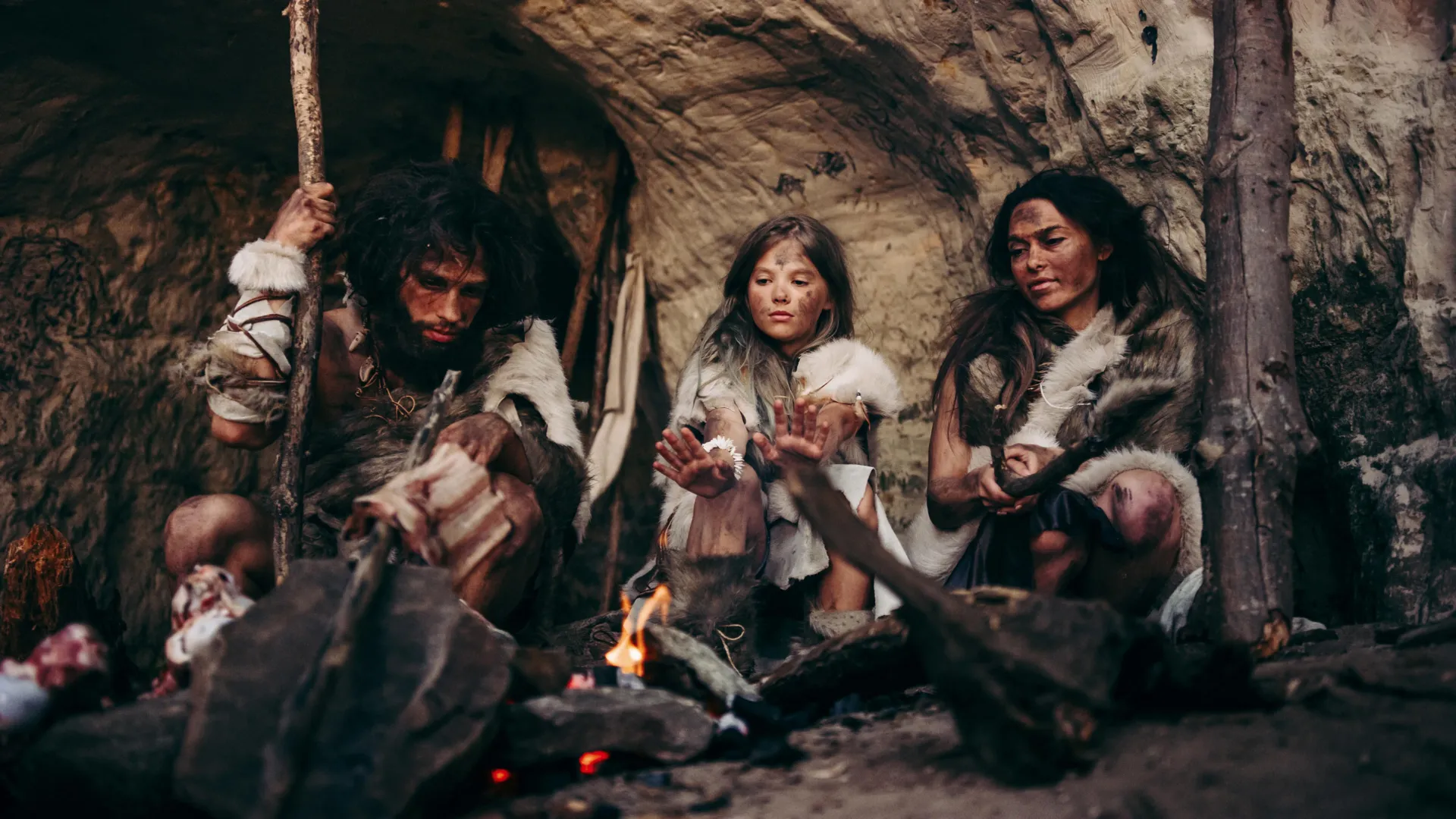
Neanderthal DNA Discovery: New Clues from Ancient Poland

Neanderthal DNA Discovery reveals how a small group of Neanderthals lived together around 100,000 years ago. Scientists studied ancient DNA from teeth found in Poland and uncovered rare details about their family life, movement, and history.
Thank you for reading this post, don't forget to subscribe!Rare Genetic Snapshot from Stajnia Cave
Researchers studied eight Neanderthal teeth discovered in Stajnia Cave in present-day Poland. By analysing mitochondrial DNA, they identified at least seven individuals who lived at the same time and place. This is one of the clearest genetic pictures of a Neanderthal group from a single site, helping scientists understand how these early humans lived in small communities.
Neanderthal DNA Discovery and Family Connections
The study found that two young individuals and one adult shared the same mitochondrial DNA. Since this DNA is passed from the mother, it suggests they were closely related. Such direct family evidence is rare in Neanderthal research, as most studies rely on fossils found in different places and time periods.
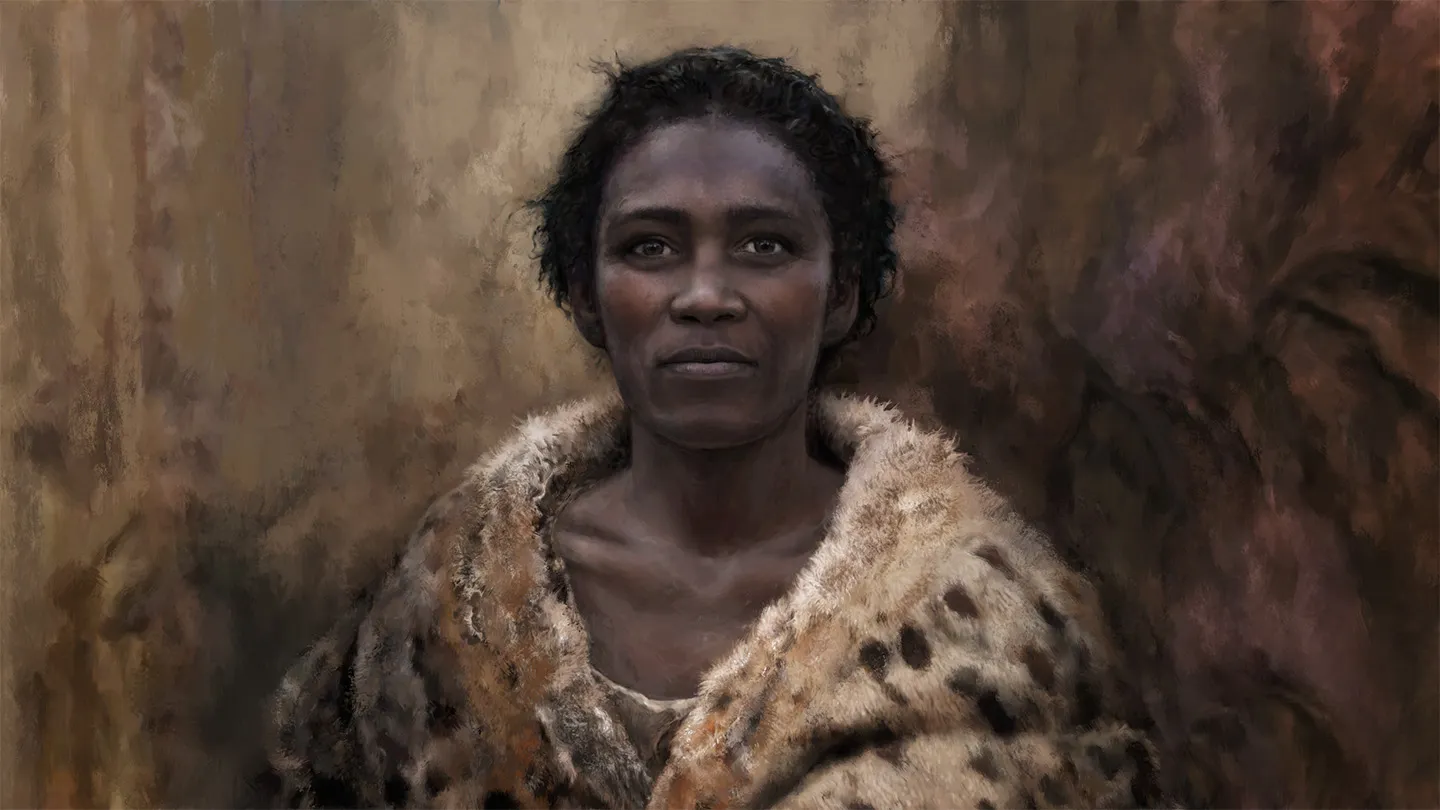
Links Across Europe and Beyond
The DNA from these Neanderthals matches genetic patterns found in regions like the Iberian Peninsula, France, and the Caucasus. This shows that a shared maternal line once spread widely across Europe and parts of Asia. It also suggests that Neanderthal populations were more connected than previously believed.
Role of Central-Eastern Europe
The findings highlight the importance of Central-Eastern Europe in Neanderthal history. This region may have acted as a key route for migration, exchange of ideas, and survival during the Middle Paleolithic period. It was not isolated but part of a larger network of Neanderthal populations.
Understanding Neanderthal Life Better
Neanderthals lived across Europe and parts of western Asia until about 40,000 years ago. Studies like this help scientists learn more about their social structure and movement. By combining archaeology and genetics, researchers can build a clearer picture of early human life.