

Human Word Named 2026 Word of the Year

Human Word has been selected as the Cambridge Dictionary’s Word of the Year for 2026. The announcement was made on 18 November 2026 by Cambridge Dictionary, an online dictionary published by Cambridge University Press. The selection reflects growing discussions about human identity, creativity and emotions as artificial intelligence (AI) becomes more advanced.
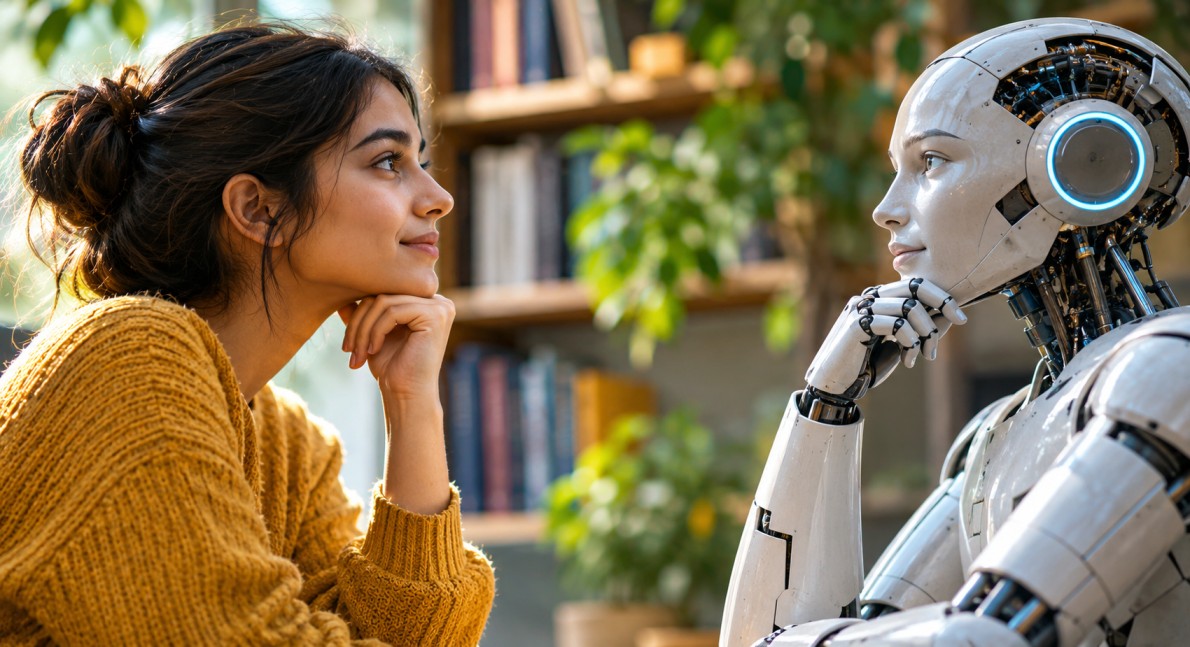
AI tools can now generate realistic images, copy voices, create videos and produce written content that looks like human work. As these technologies become part of everyday life, people are paying more attention to what makes human creativity and communication different from machine-generated content.

Why Was ‘Human’ Chosen as Word of the Year?
The Cambridge Dictionary selected the word ‘human‘ because of its growing importance in discussions about artificial intelligence and technology.
The dictionary defines human as having the qualities, faults and feelings that people have, as opposed to gods, animals or machines.
The choice highlights the increasing interest in human qualities such as emotions, imagination, personal experiences and genuine connections. It also reflects concerns about whether people can easily identify content created by humans and content generated by AI.
Cambridge Dictionary lexicographer Colin McIntosh explained that AI is changing the way people talk about being human. The word is increasingly being used to separate human-created work from the output of advanced computer systems.
Growing Concerns About AI-Generated Content
Artificial intelligence has developed rapidly in recent years. Generative AI tools can produce articles, photographs, music, videos and realistic digital voices within seconds.
While these tools offer new opportunities, they have also created concerns about fake content, copyright, privacy and the misuse of people’s identities.
Deepfakes are one major concern. They use AI to create or change images, videos and voices in ways that can make someone appear to say or do something they never actually did.
Several public figures have spoken about the need to protect human identity and creativity. Microsoft co-founder Bill Gates has discussed the idea of ‘human reserved jobs’, while Nobel Prize-winning AI researcher Geoffrey Hinton has raised concerns about the risks of creating highly advanced artificial intelligence. Pope Leo XIV has also contributed to discussions about the relationship between humanity and technology.
Celebrities Take Steps to Protect Their Identity
In April 2026, actors Matthew McConaughey and Taylor Swift trademarked aspects of their voices and images amid growing concerns about AI-generated copies and deepfakes.
Such steps reflect the growing importance of protecting personal identity in the digital world. AI tools can reproduce a person’s appearance or voice without their direct involvement, creating questions about consent and ownership.
The issue is becoming important for actors, musicians, content creators and other public figures whose work and identities can be used in digital media.
Authors Guild Introduces ‘Human Authored’ Label
The debate about human creativity has also reached the publishing industry. The Authors Guild introduced a ‘Human Authored’ kitemark to help readers identify books written by humans rather than generated by AI.
The certification is intended for books published in the United States. It requires the text to be human-written while allowing limited AI assistance, such as spelling checks and research support.
The initiative has received support from writers and public figures, including Mary Beard and Malorie Blackman.
The label reflects a growing interest in transparency in publishing. Readers may want to know whether a book represents a writer’s own ideas, experiences and creative effort or relies heavily on machine-generated material.

Human Creativity in the Age of Artificial Intelligence
The selection of ‘human’ as the 2026 Word of the Year comes at a time when AI is becoming part of education, entertainment, business, healthcare and communication.
AI can help people complete tasks faster, analyse information and explore new creative ideas. However, its growing use has also raised questions about originality, trust and the value of human involvement.
The European Union’s AI Act includes transparency requirements for certain AI-generated and manipulated content, including deepfakes. Copyright discussions in the United States have also focused on the need for human authorship in works seeking copyright protection.
By choosing ‘human’, Cambridge Dictionary has highlighted a topic that goes beyond language. It reflects a wider discussion about how people can protect creativity, authenticity and personal identity while adapting to rapidly changing technology.