



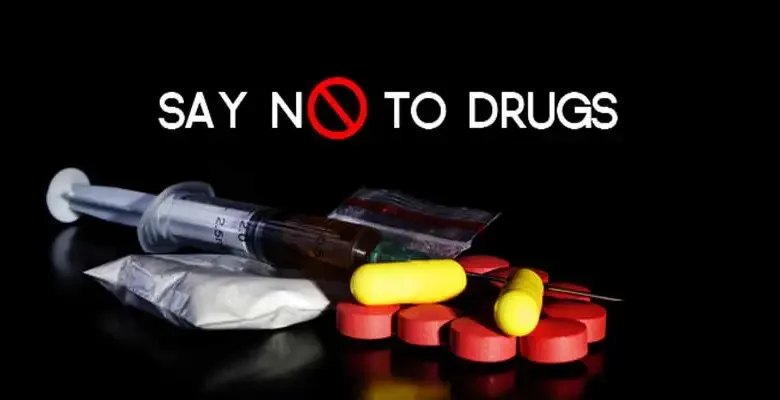
Anti-Narcotics in India 2026

Anti-Narcotics Action Plan India is now taking shape as the central government prepares a three-year strategy to tackle drug trafficking and illegal networks. This plan aims to break both domestic cartels and international drug operations linked to India. The larger goal behind this move is to create a Drug-Free India by 2047, which is becoming a major long-term national priority.
Thank you for reading this post, don't forget to subscribe!The strategy focuses on stronger coordination between agencies, better use of technology, and stricter financial tracking systems. Authorities are also planning to act faster against fugitives who operate from outside the country while managing networks within India.
Strengthening the Enforcement System
The Narcotics Control Bureau (NCB) continues to play a key role in controlling drug-related crimes across the country. It works under the Ministry of Home Affairs and coordinates with state police, customs officials, and border forces.
The updated action plan includes setting up dedicated anti-narcotics units within state intelligence departments by the end of 2026. These units will focus only on tracking and stopping drug-related activities.
Another important step is the preparation of detailed reports on major drug traffickers in each state. These reports will help authorities monitor their activities and take quicker action when needed. This shows a shift toward more targeted and data-driven enforcement.

Use of Technology in Drug Control
Technology is becoming a major part of the Anti-Narcotics Action Plan India. Agencies are now using tools like machine learning and data analysis to identify suspicious activities.
Tracking illegal money is also a big focus. Authorities are monitoring hawala transactions and cryptocurrency movements, as these are often used to hide drug money. Special teams are working on identifying patterns in financial data to catch offenders early.
The government is also focusing on darknet platforms, where illegal drugs are often sold online. A dedicated task force has been assigned to monitor encrypted apps and hidden networks. This reflects how drug trafficking is moving into the digital space, making tech-based solutions essential.
Focus on Borders and Coastal Areas
Drug trafficking often happens through land borders, rivers, and coastal routes. To address this, multiple forces are working together, including border security units, maritime agencies, and state teams.
Joint operations are being carried out in sensitive areas where smuggling is more common. Coastal regions and remote border zones are getting extra attention to prevent illegal entry of drugs into the country.
A recent operation called “Operation WIPE,” launched in April 2026, focuses on stopping online drug sales. It targets misuse of digital platforms where pharmaceutical drugs are sold without proper regulation. This shows how enforcement is expanding beyond physical borders into online spaces.
Expansion of Agencies and Resources
The government has already taken steps to strengthen the NCB by increasing its workforce. The number of approved positions has grown significantly, allowing more officers to be deployed across the country.
Regional and zonal offices have also increased, improving the reach of anti-drug operations. This expansion helps in faster response and better coordination between different regions.
Such changes indicate that the government is investing more resources into tackling the drug problem in a structured way.
Addressing Drug Demand and Awareness
Along with controlling supply, the plan also looks at reducing demand for drugs. Efforts are being made to spread awareness, support treatment programs, and provide rehabilitation services.
Community-based initiatives are being promoted to help people recover from addiction. Awareness campaigns are also being run to educate young people about the risks of drug use.
This balanced approach focusing on both supply and demand shows that the issue is being handled from multiple angles, not just through enforcement.

A Shift Toward Modern Drug Control Strategies
The Anti-Narcotics Action Plan India reflects a shift in how drug-related issues are being handled. With the rise of online platforms and digital payments, traditional methods alone are no longer enough.
By combining technology, intelligence sharing, and stronger enforcement, the government is trying to stay ahead of evolving drug networks. The inclusion of cryptocurrency tracking and darknet monitoring shows a clear understanding of modern challenges.
At the same time, increased coordination between agencies ensures that information is shared quickly, making operations more effective.
This new plan highlights how India is adapting to changing trends in drug trafficking while working toward a long-term vision of a safer and healthier society.